
Best Posture Corrector for Men Canada
Best Posture Corrector for Men Canada: Choose by Shoulder Width, Shirt Fit, Work Use, and Support Level
Direct answer: The best posture corrector for men in Canada is a shoulder or upper-back support that fits shoulder width, chest/torso shape, shirt profile, and daily use. Choose breathable cueing for desk work and driving, stronger shoulder support for firmer feedback, and a back-brace route only when the real need is lower-back support.
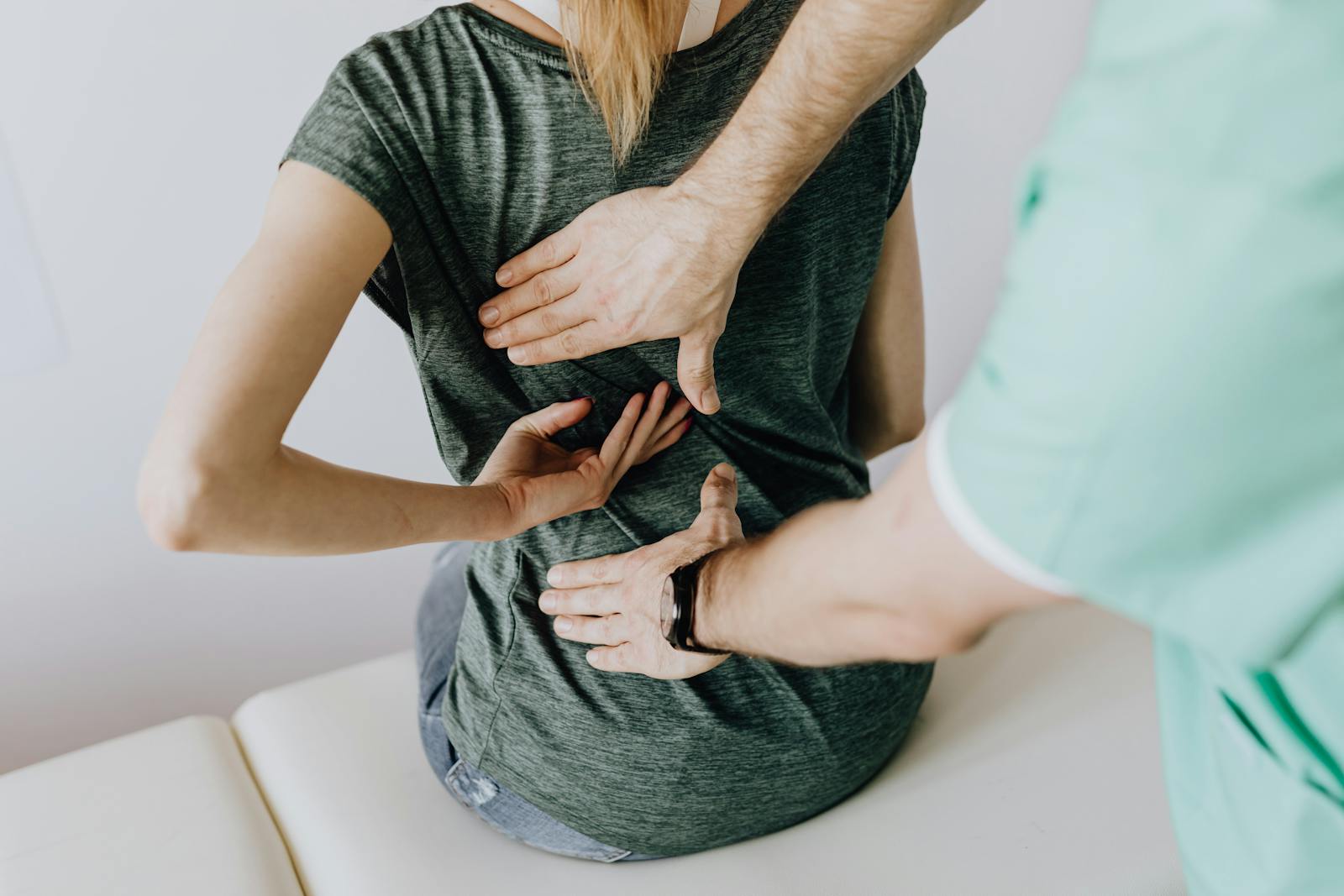
Canadian shopping route • Active Medibrace posture supports • Men-specific shoulder width, shirt fit, work use, and safety guidance
Quick selector: match the men’s posture scenario
| If this is your scenario | Choose this support type | Medibrace option | Why it fits men’s posture shopping |
|---|---|---|---|
| Desk work, driving, and daily posture reminders | Breathable shoulder posture supporter | Orliman Breathable Shoulder Posture Supporter | Best first route when a man wants upper-back cueing without lower-back brace bulk. |
| Broader shoulders or firmer cueing preference | Stronger shoulder posture support | Orliman Strong Shoulder Support | More noticeable support when light reminder straps feel too soft. |
| Simple figure-8 shoulder retraction | Clavicle/figure-8 support | M-Brace Clavicle Brace | Brace-like shoulder positioning route; not for lumbar support. |
| Clinical-style clavicle support comparison | Adjustable clavicle support | BREG Clavicle Support | Straightforward shoulder/clavicle route when strap feedback is acceptable. |
What changes for men?
This page is different from a general posture-corrector ranking because the fit problem often changes. Men may need more shoulder-width room, a chest/torso fit that does not ride up, a lower-profile option under work shirts, or a firmer cue that still allows driving, desk work, lifting light objects, and daily movement without underarm digging.
If the real decision is under-shirt discretion, use the under-clothes posture-corrector page. If the issue is lower-back fatigue, standing support, lifting, or warehouse work, use a back-brace page instead. If the buyer is choosing for a woman’s chest/strap fit, use the women’s posture-corrector route because that decision logic is different.
Recommended Medibrace posture correctors for men
Orliman Breathable Shoulder Posture Supporter

- Role: Best first posture-cue route for men
- Support type: breathable shoulder posture supporter
- Price: $71.45
- Best men's-posture scenario: men who want upper-back and shoulder cueing during desk work, driving, commuting, or light daily wear without a bulky lower-back brace
- Tradeoff: Not the right route if the real need is lumbar support, heavy lifting support, or a prescribed spinal brace.
Orliman Strong Shoulder Support

- Role: Best stronger shoulder-width cue
- Support type: strong shoulder posture support
- Price: $59.99
- Best men's-posture scenario: men with broader shoulders or a firmer-support preference who still need upper-back/shoulder cueing rather than waist bracing
- Tradeoff: More noticeable under shirts and around the shoulders than a breathable reminder support.
M-Brace Clavicle Brace

- Role: Best figure-8/clavicle route
- Support type: clavicle / figure-8 posture support
- Price: $110.55
- Best men's-posture scenario: men who prefer a simple brace-like shoulder-retraction cue and can tolerate underarm/strap contact
- Tradeoff: Not a lumbar brace and may be too focused if the goal is broad back support.
BREG Clavicle Support

- Role: Best straightforward clavicle-support alternative
- Support type: adjustable clavicle posture support
- Price: $63.23
- Best men's-posture scenario: men comparing a lower-profile clinical clavicle support for shoulder-position feedback
- Tradeoff: Can feel strap-driven; not ideal when under-shirt discretion is the top priority.
Compare breathable, strong shoulder, clavicle, and back-brace routes
| Route | Best use | Main advantage | Main limitation |
|---|---|---|---|
| Breathable posture supporter | Desk work, driving, daily upper-back reminders | Lower bulk and easier first wear testing | May not feel strong enough for men wanting firmer shoulder feedback |
| Strong shoulder support | Broader shoulders or a firmer cue | More noticeable support around the shoulder region | Less discreet under fitted shirts |
| Clavicle/figure-8 support | Simple shoulder-retraction brace feel | Clear strap-driven posture cue | Not a lower-back brace and may create underarm pressure |
| Back brace detour | Lower-back fatigue, lifting, standing, work support | Better match for lumbar/waist support | Does not actively cue shoulders like a posture corrector |
Fit, use, and safety guidance for men
- Measure and fit by shoulder width, chest/torso position, and strap comfort rather than shirt size alone.
- Test the support while sitting, driving posture, reaching, and standing; men’s daily use often fails at movement, not just static fit.
- The brace should cue the shoulders without underarm digging, numbness, tingling, breathing restriction, or skin rubbing.
- Do not overtighten to force a straighter position; choose a support level you can wear safely and repeatably.
- Use a back-brace route for lower-back support, and use clinician guidance for trauma, severe pain, neurological symptoms, post-surgical limits, or prescribed bracing.
Health and safety note: This Medibrace guide is general product-selection information only. It does not diagnose, prescribe, or replace advice from a licensed clinician.
When this page is not the right route
This page is for men comparing upper-back and shoulder posture supports. It is not the right route for urgent pain, new injury, numbness, weakness, breathing symptoms, worsening symptoms, post-surgical instructions, prescribed spinal bracing, or custom orthosis decisions. It is also not the best page when the actual need is lower-back support, women-specific chest/strap fit, or under-shirt discretion.
Related Medibrace routes
FAQ
What is the best posture corrector for men in Canada?
The best posture corrector for men is usually an upper-back or shoulder posture support chosen by shoulder width, chest/torso fit, shirt profile, work use, and whether you need a gentle reminder or firmer shoulder cueing.
Should men choose a posture corrector or a back brace?
Choose a posture corrector when the decision is rounded-shoulder or upper-back cueing. Choose a back brace when the real need is lower-back, lifting, standing, or waist support.
Can men wear a posture corrector under a shirt?
Some supports can work under looser shirts, but strap profile, shoulder width, chest fit, and work movement matter. If discretion is the main need, use the under-clothes route rather than choosing only by support strength.
When is this page not the right route?
Use a clinician-guided route for trauma, severe pain, numbness, weakness, breathing restriction, skin breakdown, post-surgical instructions, or prescribed bracing. Use a back-brace page when lower-back support is the main decision.