
Best Shoulder Brace for Weightlifting Canada
Best Shoulder Brace for Weightlifting Canada: Choose Support for Pressing, Pulling, Gym Stability, and Not-Right-Route Cases
Direct answer: The best shoulder brace for weightlifting in Canada is a support that matches the lift and the shoulder-control problem: compression-and-strap guidance for controlled pressing and pulling, a sling-style rest route when lifting should pause, or an adjustable wrap for lighter gym days. It is not the right route for acute injury, prescribed immobilization, or pain that worsens under load.
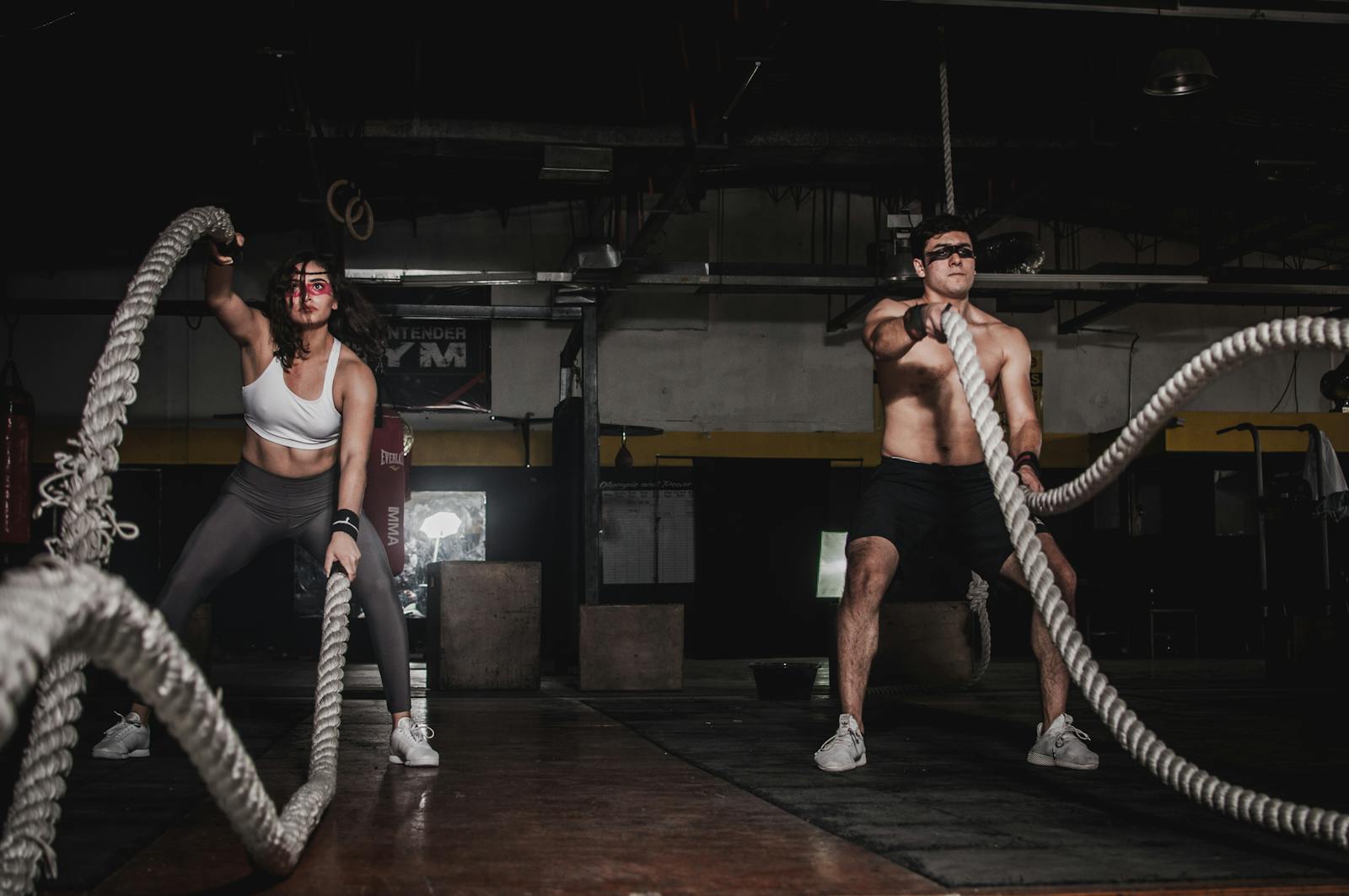
Canadian shopping route • Active Medibrace shoulder brace options • Gym-specific support, fit, safety, and not-right-route guidance
Quick selector: match shoulder support to your lift
| If your weightlifting scenario is... | Choose this support type | Medibrace option | Why it fits this scenario |
|---|---|---|---|
| Controlled pressing, rows, machines, and moderate gym return | Dynamic shoulder brace | Bauerfeind OmoTrain S Shoulder Brace | Supportive strap-guided feel without turning the brace into an immobilizer. |
| You want compression coverage and shoulder confidence for warm-up or accessory work | Compression-plus-guidance shoulder brace | Bauerfeind OmoTrain Shoulder Brace | Premium knit support feel for controlled movement and daily gym confidence. |
| Risky shoulder positions need more control than a sleeve or wrap | Sling-style shoulder support | BREG Atlas Minor Shoulder Brace | A safer rest-route when lifting should pause instead of pushing through shoulder symptoms. |
| Light workouts, warm-ups, or adjustable compression are the priority | Adjustable shoulder wrap | ZAMST Shoulder Wrap | Easier on/off support for lower-load gym days and accessory movements. |
| You want a more substantial structured shoulder brace | Structured shoulder joint brace | Sporlastic OMO-HiT Shoulder Brace | A firmer premium support route when soft compression feels too light. |
What changes when the page is specifically about weightlifting?
A weightlifting shoulder brace is not chosen like a post-op sling, generic posture product, or everyday shoulder support. The decision depends on pressing angle, bench depth, overhead range, pull volume, barbell versus dumbbell control, and whether the brace changes your technique. If a brace makes you lift heavier through pain, it is the wrong tool; reduce load, change the movement, or use a clinical route instead.
If your priority is broad shopping, use the Shoulder Braces collection. If you need immobilization after injury or surgery, use Best Shoulder Immobilizer Canada. If the concern is posture rather than lifting mechanics, use Best Posture Support in Canada. For clavicle-specific support, use Best Clavicle Support Brace Canada.
Recommended Medibrace shoulder braces for weightlifting
Bauerfeind OmoTrain S Shoulder Brace

- Role: Best dynamic gym shoulder support
- Support type: Knit shoulder brace with strap-guided stabilization
- Price: $310.00
- Best weightlifting context: you want support for controlled pressing, pulling, machine work, or return-to-gym sessions where range of motion still matters
- Tradeoff: not an immobilizer; avoid heavy lifts if symptoms are sharp, worsening, or clinician-directed rest is needed
Bauerfeind OmoTrain Shoulder Brace

- Role: Best compression-plus-guidance option
- Support type: Shoulder support with compressive knit coverage
- Price: $310.00
- Best weightlifting context: you want a premium support feel for warm-up sets, moderate gym sessions, and daily shoulder confidence
- Tradeoff: does not replace technique changes, load reduction, or clinician-directed rehab when pain changes
BREG Atlas Minor Shoulder Brace

- Role: Best compact sling-style support for lifting breaks
- Support type: Shoulder sling/support brace
- Price: $179.99
- Best weightlifting context: you need a supportive rest-route between training blocks, travel, or daily activity rather than active set-by-set lifting support
- Tradeoff: not for lifting sets; choose this when the safer decision is to pause loading, not brace harder
ZAMST Shoulder Wrap

- Role: Best adjustable wrap for lighter workouts
- Support type: Adjustable shoulder wrap
- Price: $157.99
- Best weightlifting context: you want easier on-off support for accessory lifts, warm-ups, or light gym days where adjustable compression is the priority
- Tradeoff: less structured than support route braces and not appropriate for unstable or acute shoulder episodes
Sporlastic OMO-HiT Shoulder Brace

- Role: Best premium structured shoulder support
- Support type: Structured shoulder joint brace
- Price: $224.99
- Best weightlifting context: you want a more substantial brace feel for controlled gym re-entry, sport training, or daily support around the shoulder joint
- Tradeoff: higher-bulk route; not the right choice when a sling, abduction pillow, or post-op immobilizer has been prescribed
Compare compression, wrap, support route, and immobilizer routes
| Support route | Best weightlifting use | Why shoppers choose it | When to choose another page |
|---|---|---|---|
| Compression shoulder brace | Warm-ups, machine work, controlled presses and pulls | Comfortable support feel while keeping movement available. | If you need range restriction or prescribed immobilization. |
| Adjustable shoulder wrap | Lighter sessions and accessory lifts | Easy adjustment between sets and simpler on/off use. | If shoulder instability or risky positions are the main issue. |
| Shoulder support route | More control for positions that feel vulnerable | Helps limit shoulder positions more than a soft support. | If you need a sling, abduction pillow, or post-op brace. |
| Immobilizer or abduction sling | Clinician-directed restriction | Used when movement restriction is the priority. | This weightlifting selector is not the right route for prescribed immobilization. |
Fit, use, and safety guidance for lifting
- Test the brace with warm-up sets before using it during heavy work sets.
- Check bench press, overhead press, rows, pulldowns, carries, and dumbbell work separately; each movement stresses the shoulder differently.
- The brace should not cause numbness, tingling, colour change, pinching, or a forced grip/neck posture.
- Do not use a brace to chase heavier loads through sharp, unstable, spreading, or worsening symptoms.
- This Medibrace guide is general product-selection information only. It does not diagnose, prescribe, prevent injury, or replace advice from a licensed clinician.
When this page is not the right route
This page is not the right route for a new traumatic shoulder injury, suspected dislocation, severe weakness, numbness, major swelling, post-surgical instructions, or a prescribed sling/immobilizer. It is also not the best route if your main concern is posture, clavicle support, or everyday non-gym shoulder comfort. Use the related page/category that matches the scenario and ask a qualified clinician when load tolerance or return-to-lifting is unclear.
Related Medibrace routes
FAQ
What is the best shoulder brace for weightlifting in Canada?
The best shoulder brace for weightlifting is usually a dynamic shoulder support, support route, or adjustable wrap chosen by lift type, shoulder position, support level, and whether range of motion should remain available. It should support controlled training decisions, not encourage heavier lifting through pain.
Can I bench press or overhead press with a shoulder brace?
Only use a shoulder brace for controlled movements that stay comfortable and technically clean. Bench press, overhead press, rows, and dumbbell work should be tested separately because each changes shoulder position and load.
Is a shoulder support route better than a compression shoulder brace for lifting?
A support route is better when shoulder position control matters more than comfort. A compression shoulder brace or wrap is better when you want support feel, warmth, or easier movement during lighter controlled sessions.
When is this page not the right route?
Use a different route if you need a sling, abduction pillow, post-op immobilizer, posture support, clavicle support, or clinical assessment for severe, traumatic, unstable, numb, weak, or worsening shoulder symptoms.