
Best Shoulder Brace for Working Out Canada
Best Shoulder Brace for Working Out Canada: Support for Gym Training, Lifting, and Active Sessions
Direct answer: The best shoulder brace for working out is an active shoulder stabilizer or compression-style support that lets you move through controlled gym work without turning the session into immobilization. Choose a stabilizing brace when positioning support matters most, a compression support for lower-bulk feedback, and avoid slings for active lifting.
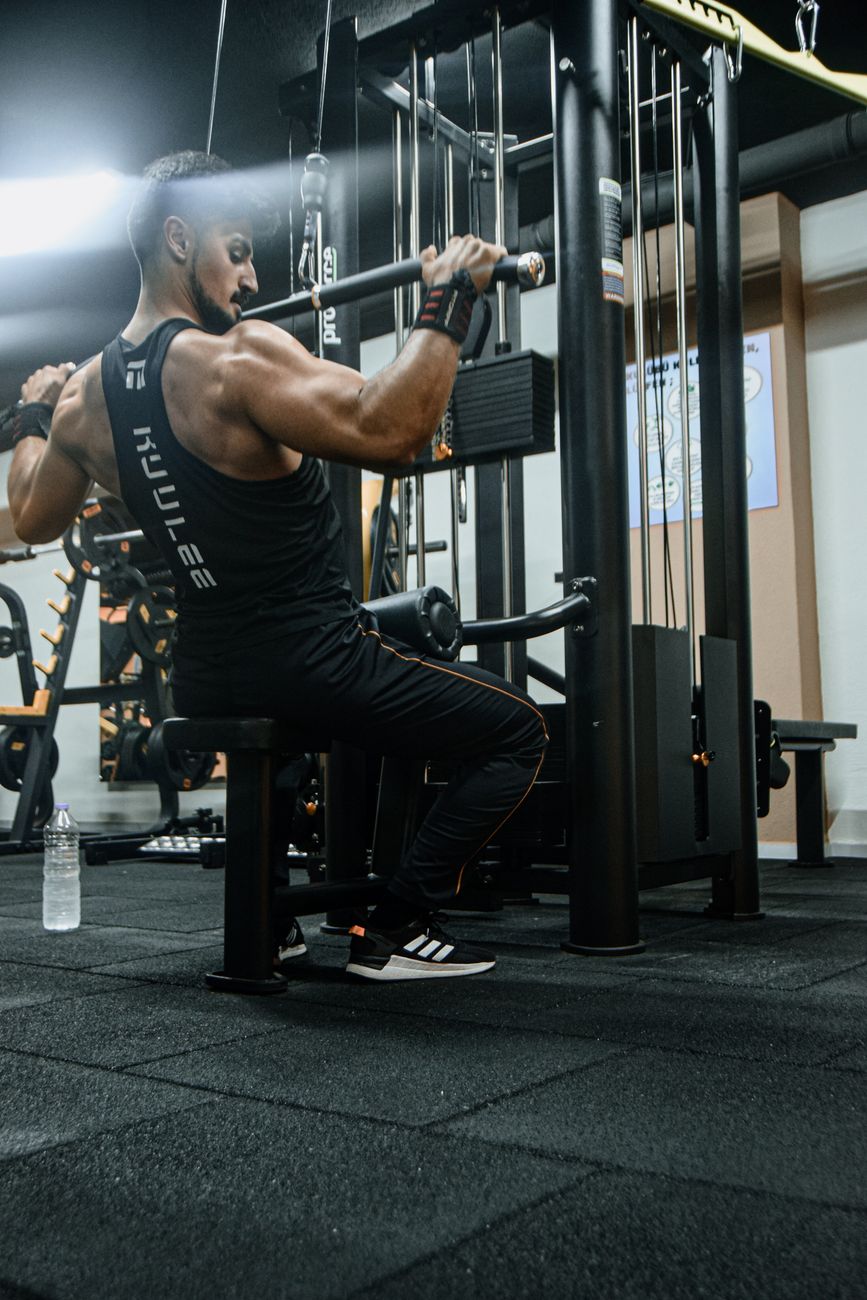
Canadian buyer route • Gym and lifting support • Active stabilizer vs compression support vs sling
Quick selector: choose by workout scenario
| If your workout need is... | Choose this support type | Medibrace route | Why it fits gym use |
|---|---|---|---|
| Controlled lifting, machines, cable work, or return-to-activity sessions | Active stabilizing shoulder brace | Bauerfeind OmoTrain S | Prioritizes shoulder positioning support while still allowing active movement. |
| Lower-bulk feedback for warm-ups or lighter accessory work | Compression shoulder support | Bauerfeind OmoTrain | Gives shoulder-area support without turning the workout into immobilization. |
| Less bulky stabilization under gym layers | Low-profile stabilizer | BREG Atlas Minor | Useful when brace profile and range of motion both matter. |
| You were told to keep the arm positioned or supported | Sling / immobilizer route | BREG SlingShot 3 or sling collection | This is not a workout brace route; use it for clinician-directed positioning. |
What changes for working out?
A workout shoulder brace page should not recommend the most restrictive option by default. Gym use changes the decision: you need enough support for controlled movement, but too much restriction can make lifting mechanics awkward. Start by separating compression feedback, active stabilization, and true immobilization. For working out, the brace should match the exercise plan, load, and symptom response rather than acting as permission to train through pain.
This is materially different from a general Best Shoulder Brace Canada page, which compares broad support types. It is also different from a rotator cuff shoulder brace route, where the condition context and clinician guidance may be more important than gym preference.
Recommended Medibrace shoulder braces for workouts
Bauerfeind OmoTrain S Shoulder Brace

- Role: Best active workout shoulder stabilizer
- Support type: active stabilizing shoulder brace
- Price: $310.00
- Best workout use: gym users who want more shoulder positioning support during controlled strength sessions, cable work, machine training, or return-to-activity progressions where the arm still needs to move
- Tradeoff: more structured and fit-sensitive than a simple support; not for pushing through sharp pain or clinician-directed immobilization
Bauerfeind OmoTrain Shoulder Brace

- Role: Best compression-style shoulder support for training
- Support type: compression shoulder support
- Price: $310.00
- Best workout use: lifters who want shoulder-area compression and proprioceptive feedback during warm-ups, lighter sets, or controlled accessory work without routing into a sling
- Tradeoff: less restrictive than a stabilizing brace and not meant to hold the arm still
BREG Atlas Minor Shoulder Brace

- Role: Best lower-profile workout stabilizer route
- Support type: low-profile shoulder stabilizing brace
- Price: $179.99
- Best workout use: people comparing a less bulky shoulder brace for controlled workouts, gym layers, or sessions where range of motion and brace bulk both matter
- Tradeoff: not the right route when arm support, immobilization, or post-procedure positioning is required
BREG SlingShot 3

- Role: Best not-for-working-out route when a sling is actually needed
- Support type: shoulder sling / immobilizer
- Price: $190.00
- Best workout use: shoppers who searched for a workout brace but actually need arm support after a clinician-directed event, not active gym training
- Tradeoff: not designed for workouts, lifting, or sport-style active movement
Compression support vs stabilizing brace vs sling for gym use
| Route | Best workout context | Main advantage | Main limitation |
|---|---|---|---|
| Compression shoulder support | Warm-ups, lighter sets, controlled accessory work | Lower-bulk feedback around the shoulder | Less positioning support than a stabilizer |
| Active stabilizing brace | Machine training, cables, controlled lifting progressions | More shoulder-position support while moving | Fit and exercise choice matter more |
| Low-profile stabilizer | Training where bulk under layers is a concern | Balances support and profile | Not for keeping the arm still |
| Sling or immobilizer | Clinician-directed positioning | Limits active shoulder and arm movement | Not a workout or lifting solution |
Fit, use, and safety guidance for gym training
- Measure from the product size chart; shoulder braces are more fit-sensitive than simple sleeves.
- Test the brace with warm-ups and unloaded movement before adding resistance.
- Prefer controlled machine, cable, and accessory exercises over sudden overhead loading when symptoms are uncertain.
- Stop training and seek guidance for sharp pain, new weakness, numbness, visible swelling, instability, repeated catching, or symptoms that worsen during or after workouts.
- Do not use a brace to force heavy pressing, throwing, kipping, or overhead work if those movements reproduce concerning symptoms.
When this page is not the right route
This page is for active gym and workout support. It is not the best route when you were told to immobilize the shoulder, when you need post-procedure positioning, or when symptoms suggest assessment before loading. Use Slings & Immobilizers for clinician-directed positioning, the general shoulder brace selector for everyday support, or the rotator cuff route for condition-specific shopping.
This page provides general product-selection guidance only and is not medical advice. It does not provide a diagnosis, a treatment plan, a prevention promise, or a replacement for advice from a licensed clinician.
Related Medibrace routes
FAQ
What shoulder brace is best for working out?
For working out, start with an active shoulder stabilizer or compression-style shoulder support that lets the arm move during controlled training. A sling or immobilizer is usually not the workout route because it is meant for limiting motion under clinician direction.
Can I lift weights with a shoulder brace?
A shoulder brace may support controlled sessions, lighter loading, or return-to-activity progressions, but it should not be used to force painful reps. Stop and get assessed for sharp pain, weakness, instability, numbness, swelling, or symptoms that worsen during training.
Is a compression shoulder support or stabilizing brace better for the gym?
Compression-style support is lower profile and useful when feedback and warmth matter. A stabilizing brace is better when shoulder positioning support matters more than low bulk. Neither route replaces a clinician-led plan after a significant injury.
When is this page not the right route?
Use the general shoulder brace page for everyday selection, the rotator cuff route for condition-specific shopping, or the slings and immobilizers collection when a clinician has directed arm positioning rather than active workouts.