
Best Thumb Brace for Volleyball Canada
Best Thumb Brace for Volleyball Canada: Choose Support for Setting, Blocking, and Jammed-Thumb Risk
Direct answer: The best thumb brace for volleyball in Canada is the lowest-bulk support that protects the thumb without ruining ball feel. Choose a thumb-only guard or flexible support when setting, passing, and hand contact still matter; choose a stronger thumb brace when thumb guidance matters more than touch; choose a wrist-and-thumb spica only when volleyball should pause or clinician-directed control is the priority.
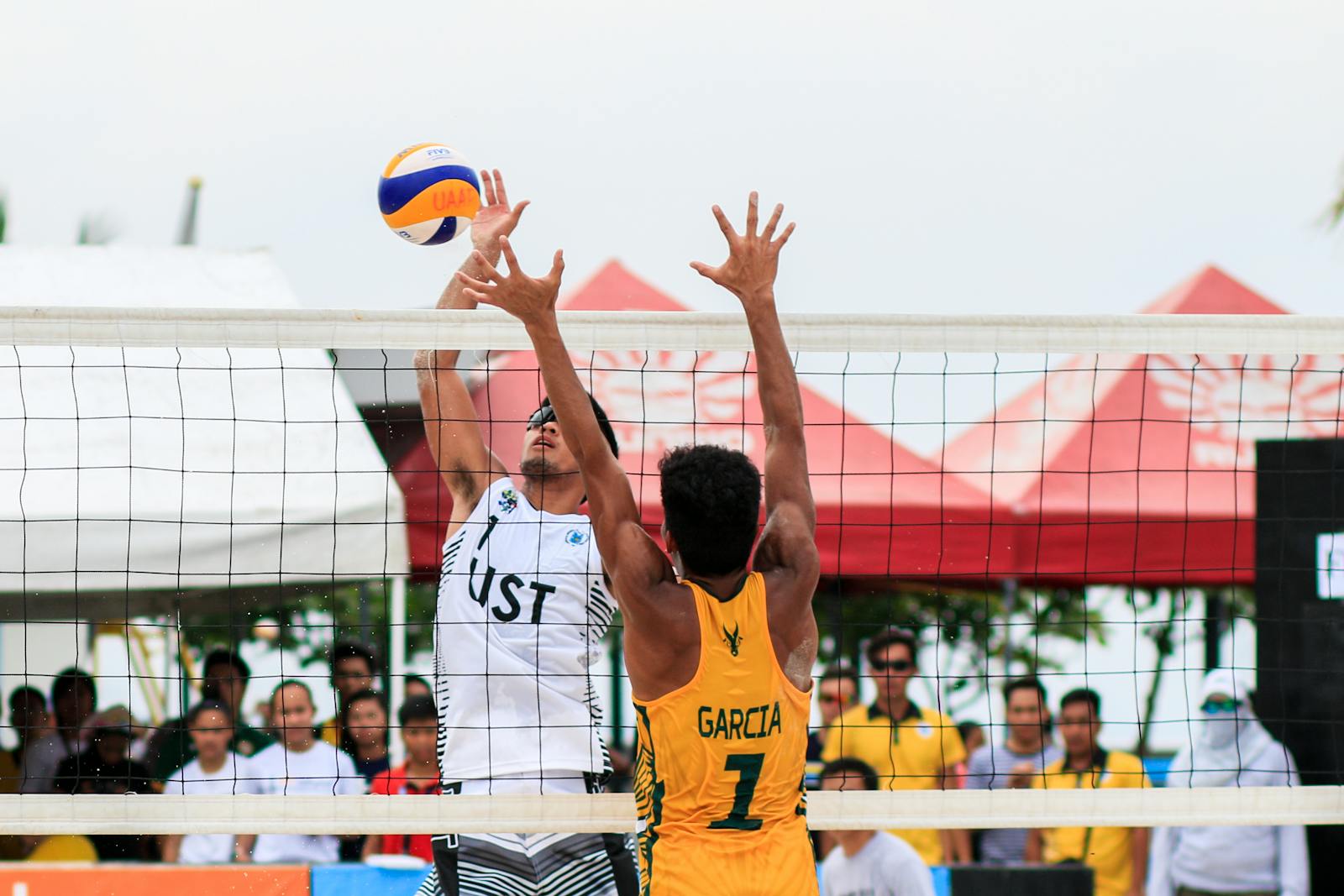
Canadian shopping route • Active Medibrace wrist and thumb supports • Volleyball-specific support logic for setting, blocking, passing, and jammed-thumb risk
Quick selector: choose by volleyball thumb scenario
| If your volleyball scenario is... | Choose this support type | Medibrace option | Why it fits this context |
|---|---|---|---|
| You want lower-bulk thumb-side support for controlled drills | CMC thumb guard | BREG CMC Thumb Guard | Keeps support focused on the thumb while preserving more wrist freedom. |
| You want a softer support feel with less rigid structure | Elastic thumb support | Sporlastic Elastic Thumb Support | Better when comfort and hand feel matter more than maximum restriction. |
| You want stronger thumb-only guidance | Structured thumb support | Sporlastic Rhizo-Hit Thumb Support | More guidance without immediately routing to a full wrist-and-thumb brace. |
| You need a more substantial thumb-stabilizing comparison | Thumb stabilizing brace | Bauerfeind RhizoLoc OA | Useful when thumb confidence matters more than the lightest ball-feel option. |
| Thumb and wrist both need control, or volleyball should pause | Wrist brace with thumb spica | BREG Wrist Brace Cock-up with Thumb Spica | Rest/control route when active volleyball touches are not the right goal. |
What changes for volleyball?
A volleyball thumb-brace decision is different from a general thumb-spica page because the brace has to work with open hands, setting, serve receive, blocking, diving, and repeated ball contact. The right route is not automatically the stiffest brace. It is the support type that matches whether you need playable thumb guidance, softer support for controlled activity, or a rest-style brace because a jammed or unstable thumb should not be used in play.
This page is not the right route if the main issue is wrist pain from serving, a finger splint for a single finger, elbow symptoms, or return-to-play clearance after a fresh thumb injury. Use the related Medibrace routes below when those scenarios better match the problem.
Recommended Medibrace thumb braces for volleyball
BREG CMC Thumb Guard

- Role: Best low-bulk CMC thumb guard
- Support type: CMC thumb guard
- Price: $69.98
- Best volleyball context: players who need thumb-side support with less wrist coverage for passing, warmups, or controlled non-contact drills
- Tradeoff: does not control the wrist and may not be enough after a jam, sprain, or repeated blocking impact
Sporlastic Elastic Thumb Support

- Role: Best flexible thumb-support route
- Support type: elastic thumb support
- Price: $129.95
- Best volleyball context: players who want a softer thumb support feel when ball touch, hand position, and comfort matter
- Tradeoff: less rigid than thumb-spica or wrist-and-thumb support
Sporlastic Rhizo-Hit Thumb support

- Role: Best stronger thumb-only support route
- Support type: structured thumb support
- Price: $150.00
- Best volleyball context: volleyball players prioritizing more thumb guidance while keeping the wrist freer than a full thumb-spica brace
- Tradeoff: more noticeable around the thumb and still not a return-to-play clearance tool
Bauerfeind RhizoLoc® OA

- Role: Best thumb-stabilizing comparison
- Support type: thumb stabilizing brace
- Price: $140.00
- Best volleyball context: players comparing a more substantial thumb brace when repeated thumb stress or grip confidence is the main concern
- Tradeoff: may interfere with setting feel and should be tested carefully before volleyball use
BREG Wrist Brace Cock-up with Thumb Spica

- Role: Best wrist-and-thumb control route
- Support type: wrist brace with thumb spica
- Price: $67.43
- Best volleyball context: cases where thumb support alone is not enough and wrist position also needs control during rest or clinician-directed use
- Tradeoff: too restrictive for most active volleyball touches, setting, and serve receive
Thumb guard vs flexible support vs thumb spica for volleyball
| Support route | Best volleyball use | Main advantage | Watchout |
|---|---|---|---|
| CMC thumb guard | Lower-bulk thumb-side support for controlled drills | More wrist freedom | Not enough for fresh injury or strong instability |
| Flexible thumb support | Comfort-focused support when ball feel matters | Softer and less restrictive | Less rigid control |
| Structured thumb support | More thumb guidance with wrist freedom | Balances support and hand motion | Can affect setting and hand spread |
| Thumb stabilizing brace | More substantial thumb confidence | Higher-control thumb route | More interference with ball touch |
| Wrist-and-thumb spica | Rest, protection, or clinician-directed control | Controls wrist and thumb together | Usually too restrictive for active volleyball |
Fit, use, and safety guidance for volleyball
- Test the brace with your actual volleyball movements: hand spread, passing platform, overhead setting, blocking position, serving, and controlled digs.
- Do not choose a brace that changes ball contact so much that it creates unsafe or unpredictable play.
- Check whether straps, seams, or rigid edges catch the ball or irritate the web space between thumb and index finger.
- Stop play and get qualified guidance for severe pain, swelling, deformity, numbness, loss of grip, repeated instability, or a fresh jam that has not been assessed.
- This Medibrace guide is general product-selection information only. It does not diagnose, prescribe, prevent injury, treat disease, or replace advice from a licensed clinician.
Related Medibrace routes
FAQ
What thumb brace is best for volleyball?
For volleyball, choose by position and ball contact. Low-bulk thumb guards or flexible thumb supports suit lighter support needs; structured thumb supports add guidance; wrist-and-thumb spica braces are usually better for rest or clinician-directed control than active setting or serve receive.
Can I play volleyball with a thumb brace?
Only if the brace fits your sport rules, does not create unsafe ball contact, and symptoms are not concerning. Do not use a thumb brace to play through sharp pain, swelling, deformity, numbness, loss of grip, or a fresh jam that has not been assessed.
Is a thumb brace or tape better for volleyball?
Tape can be lower bulk and more ball-feel specific, while a brace is reusable and more consistent. If tape is required by a coach or clinician, follow that plan. If the thumb also needs wrist control, a thumb-spica route may be better for rest than play.
When is this page not the right route?
This page is not the right route for suspected fracture, dislocation, severe swelling, deformity, loss of sensation, a prescribed splint, or clearance to return after injury. It is also not the right route if the main issue is wrist pain, finger splinting, elbow pain, or general volleyball wrist support.