
Best Wrist Brace for Gymnastics Canada
Best Wrist Brace for Gymnastics Canada: Choose Training Support, Rest Splints, or Thumb Control
Direct answer: The best wrist brace for gymnastics depends on load: flexible wrist support may fit warmups, light drills, or between-practice support, while rigid splints are mainly for rest away from apparatus. If pain appears during handstands, vault, bars, tumbling, or landings, do not use a brace to keep training through worsening symptoms.
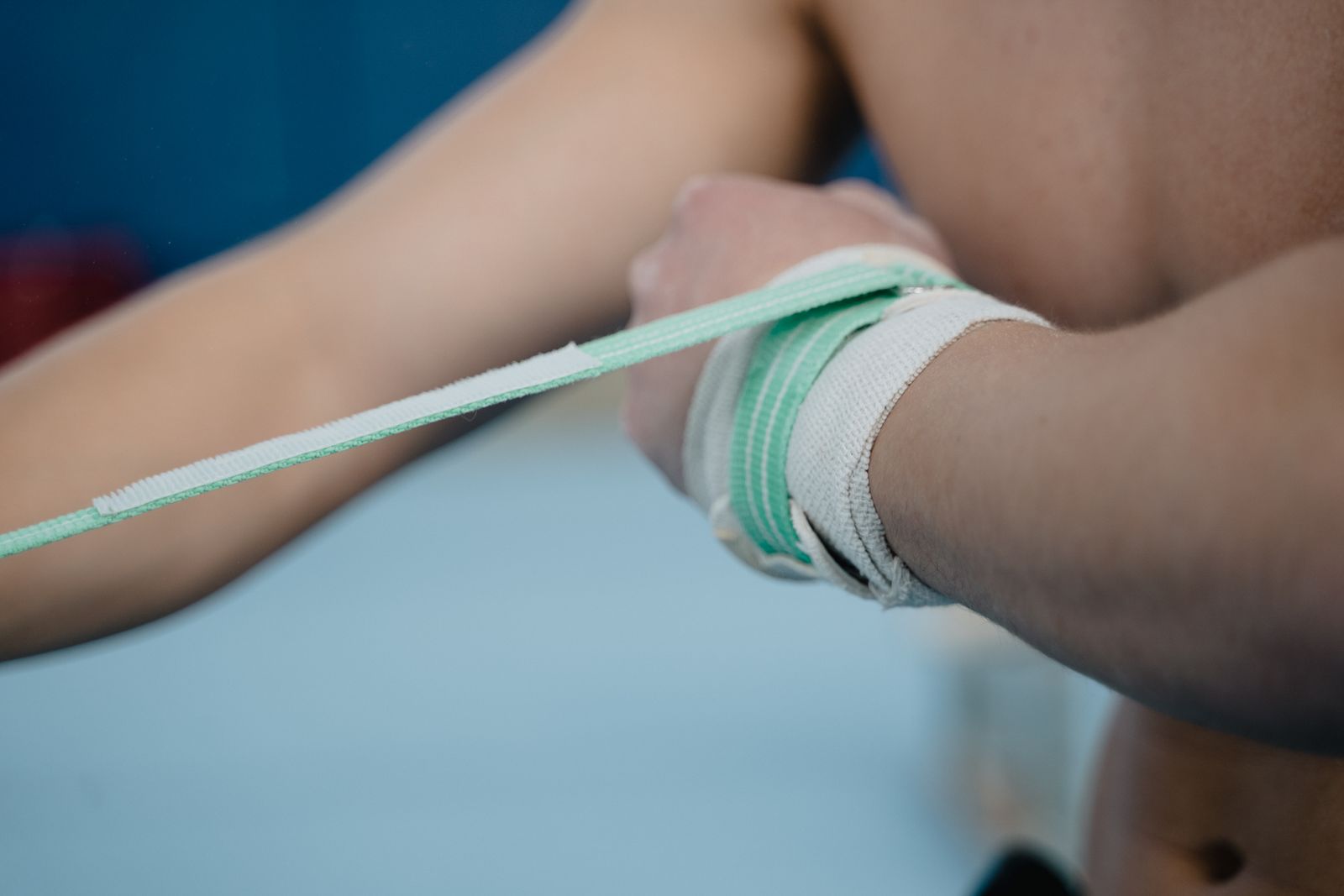
Canadian shopping route • Active Medibrace wrist supports • Flexible support, rigid rest splints, and thumb-stabilizing choices
Quick selector: match the gymnastics scenario
| If your gymnastics issue is... | Choose this support type | Medibrace option | Why it fits this scenario |
|---|---|---|---|
| Mild wrist fatigue around warmups or low-impact drills | Flexible wrist brace | Bauerfeind ManuTrain Wrist Brace | Offers broad support with less palm restriction than a rigid rest splint. |
| Wrist needs a neutral rest position after practice | Rigid wrist brace | Bauerfeind ManuLoc Wrist Brace | Better for rest, sleep, and breaks than for bars, vault, floor, or handstands. |
| Budget-friendly support away from training | Cock-up wrist splint | BREG Apollo Universal Wrist Brace | A practical rest splint when neutral wrist positioning matters more than sport movement. |
| Thumb-side wrist irritation during grip or landing control | Wrist brace with thumb support | Bauerfeind ManuLoc Rhizo Wrist Brace | Adds thumb control when wrist-only support misses the grip-side problem. |
Shop Wrist, Hand & Elbow Braces
What changes for gymnastics?
Gymnastics is different from office, drawing, or casual sport wrist support because the wrist often bears body weight. Floor, vault, tumbling, handstands, bars, and beam landings place different loads through the palm, wrist extension, grip, and thumb side. A rigid brace that helps during rest can be unsafe or impractical during skill work if it blocks normal hand contact or shifts load elsewhere.
If the main issue is a sprain, fall, suspected fracture, sudden swelling, numbness, or pain with weight bearing, this page is not the right route; stop training and get assessed. If you need general wrist support for work, use the work wrist route. If the issue is mostly thumb-side grip control, compare thumb-spica support before choosing a wrist-only brace.
Recommended Medibrace wrist brace options for gymnastics
Bauerfeind ManuTrain Wrist Brace

- Role: Best flexible support around low-impact training blocks
- Support type: elastic wrist brace with guided compression
- Price: $190.00
- Best for gymnastics: gymnasts who want broad wrist support for warmups, light drills, or between apparatus work without a rigid palm stay blocking every hand position
- Tradeoff: not enough for high-load tumbling, vault, handstand work, or situations where the wrist needs to be kept still
Bauerfeind ManuLoc Wrist Brace

- Role: Best rigid rest support after training
- Support type: rigid wrist immobilizing brace
- Price: $210.00
- Best for gymnastics: gymnasts who need a neutral wrist position during rest, breaks, sleep, or time away from hand-loading practice
- Tradeoff: too restrictive for normal gymnastics technique and not appropriate for forcing loaded skills
BREG Apollo Universal Wrist Brace

- Role: Best value resting wrist splint
- Support type: cock-up wrist brace
- Price: $63.99
- Best for gymnastics: families or athletes who want budget-friendly neutral-position support away from practice
- Tradeoff: bulkier palm structure can interfere with grips, bars, and floor-hand contact
Bauerfeind ManuLoc Rhizo Wrist Brace

- Role: Best wrist-and-thumb support route
- Support type: wrist brace with thumb stabilization
- Price: $220.00
- Best for gymnastics: gymnasts whose wrist issue also involves thumb-side control, gripping bars, or landing-related thumb-side irritation
- Tradeoff: not needed for isolated wrist-only fatigue and can limit hand movement more than necessary
Flexible support vs rigid splint vs thumb support
| Support type | Best gymnastics context | Main advantage | Watchout |
|---|---|---|---|
| Flexible wrist brace | Warmups, low-impact drills, or between-session support | Less bulky than rigid bracing | Not a substitute for assessment when pain occurs with weight bearing |
| Rigid wrist splint | Rest, sleep, commuting, and time away from apparatus | Helps hold a more neutral wrist position | Usually too restrictive for bars, vault, handstands, or tumbling |
| Wrist-and-thumb brace | Thumb-side wrist or grip-control involvement | More specific control than wrist-only support | Can limit hand movement more than needed for wrist-only fatigue |
| Sport tape or coach-directed support | Skill-specific training context | May suit coached technique and apparatus demands | Should not replace medical assessment for injury signs |
Fit, use, and safety guidance
- Brace support should feel secure without numbness, tingling, new pressure points, or hand colour changes.
- Use rigid splints mainly away from gymnastics unless a clinician gives different instructions.
- Do not let a brace change hand placement, bar grip, landing mechanics, or coach-directed technique.
- Stop loaded skills and seek assessment for worsening pain, swelling, trauma, weakness, grip loss, numbness, or tingling.
- This Medibrace guide is general product-selection information only. It does not diagnose, prescribe, treat, prevent disease, or replace advice from a licensed clinician.
When this page is not the right route
This page is for gymnastics-specific wrist brace selection around support and rest. It is not the best route for acute injury, suspected fracture, sudden swelling, severe pain, numbness, tingling, loss of grip strength, or pain when bearing weight through the hand. For general keyboard or work symptoms, use the work wrist brace route; for thumb-side grip issues, use a thumb stabilizer or thumb spica route.
Related Medibrace routes
FAQ
Can I do gymnastics while wearing a wrist brace?
Only in limited situations and only when the brace does not create unsafe compensation. Flexible support may suit warmups or light drills for some athletes, while rigid splints are usually for rest away from apparatus and loaded handstands.
What wrist support fits bars, floor, or vault?
Bars, floor, and vault load the wrist differently. Bar work may involve grip and thumb-side control; floor and vault involve impact through the palm. If pain appears during loaded skills, pause and get assessed rather than relying on a brace.
Is a gymnastics wrist brace the same as a rest splint?
No. Flexible supports may be used around low-load training, but rigid wrist splints are mainly for neutral-position rest. A rest splint can block skill mechanics and should not be used to force tumbling, vault, or handstand work.
When should a gymnast avoid self-selecting a brace?
Avoid self-selection for trauma, swelling, deformity, severe pain, numbness, tingling, weakness, grip loss, or pain with weight bearing through the hand. Those signs need clinician assessment before returning to loaded skills.