
Best Wrist Brace for Playing Tennis Canada
Best Wrist Brace for Playing Tennis Canada: Choose Support for Grip, Racquet Control, and Court Comfort
Direct answer: The best wrist brace for playing tennis is the lowest-bulk support that keeps racquet grip, forehand/backhand control, and wrist rotation comfortable. Choose a film-style support or wrist band for light tennis-friendly support, a sleeve for compression, a flexible knit brace for more guidance, and a firm stabilizer only when motion control matters more than active match play.
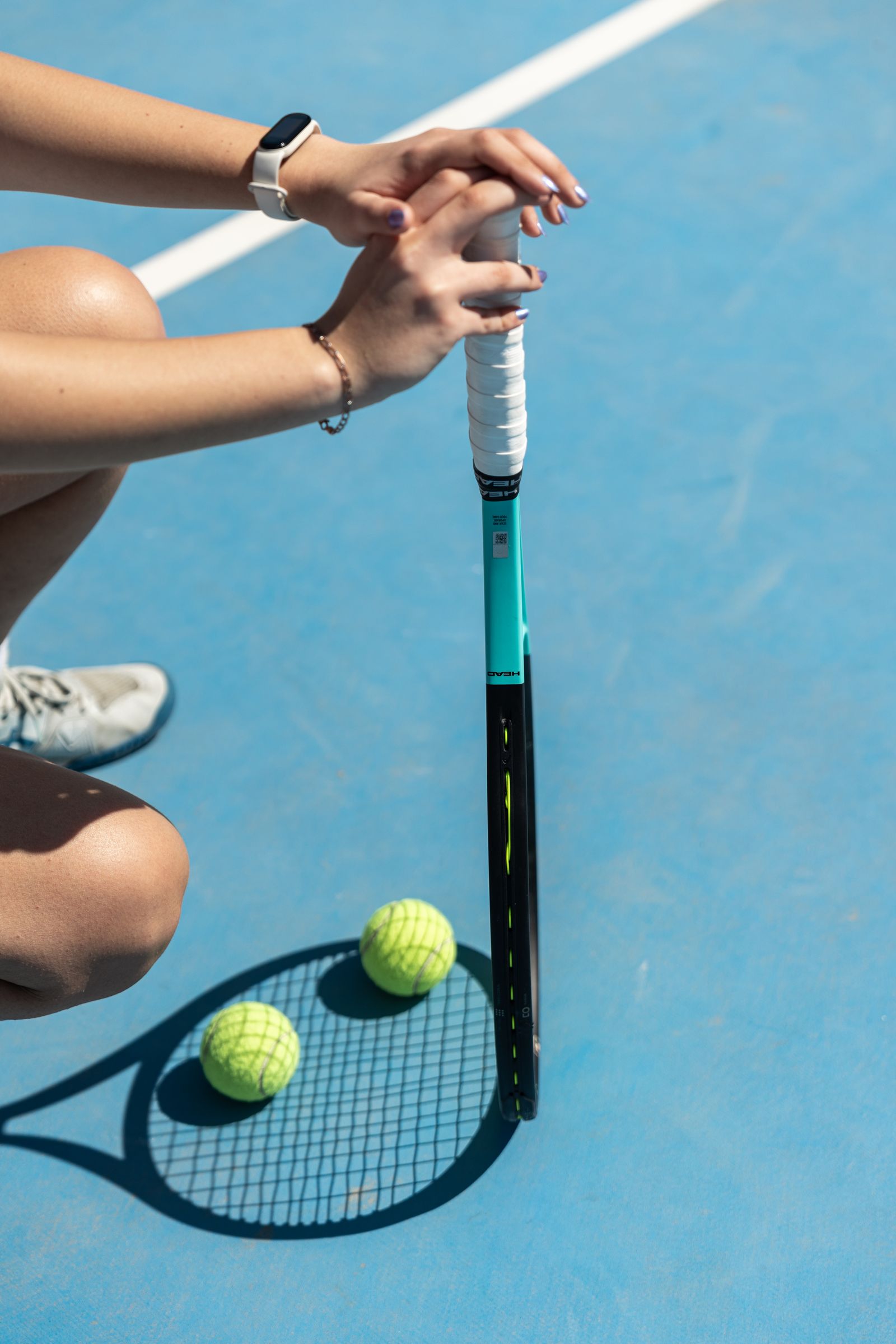
Canadian shopping route • Active Medibrace wrist supports • Tennis-specific selector guidance
Quick selector: choose by tennis scenario
| If this is your tennis scenario | Choose this support type | Medibrace option | Why it fits tennis |
|---|---|---|---|
| You want support that stays low-bulk around a tennis grip | Thin film-style wrist support | ZAMST Filmista Wrist | Best first tennis route when racquet feel and wrist rotation matter. |
| You want a small support cue for practice or casual rallies | Low-profile wrist band | ZAMST Wrist Band | Minimal interference with grip size and racquet handling. |
| You want warmth and mild compression between points | Performance wrist compression sleeve | OS1st WS6 Performance Wrist Sleeve | Compression-first route without a rigid frame. |
| You need more guidance while keeping some hand function | Knit brace with support strap | Bauerfeind ManuTrain Wrist Brace | Adds structure when bands or sleeves feel too light. |
| You need firm motion control away from active match play | Rigid stabilizing wrist brace | Bauerfeind ManuLoc Wrist Brace | Stability-first detour when swing freedom is no longer the main goal. |
What changes when the brace is for tennis?
Tennis is different from a general sports-wrist page because the support has to work with racquet grip size, forehand and backhand wrist position, topspin or slice mechanics, and repeated starts and stops on court. A brace that feels supportive for daily use can feel too bulky on the handle, while a very light band may not be enough if painful motion or post-injury stability is the main issue.
This page is not the right route if the main problem is outer-elbow or forearm pain during gripping; use Tennis Elbow Brace Canada instead. If pain started after a fall, twist, swelling episode, or acute injury, use Best Brace for Wrist Sprain Canada or clinical guidance before playing. If your main activity is barbell work, use Best Wrist Brace for Weightlifting Canada instead.
Recommended Medibrace wrist braces for tennis players
ZAMST Filmista Wrist

- Role: Best low-bulk tennis support
- Support type: thin film-style wrist support
- Price: $74.99
- Best for this tennis scenario: players who want a reusable taping feel with minimal interference during racquet grip and wrist rotation
- Tradeoff: lighter support than a structured brace
ZAMST Wrist Band

- Role: Best light wrist-band route
- Support type: low-profile wrist band
- Price: $65.99
- Best for this tennis scenario: casual play, practice, or players who want a small support cue without changing grip size much
- Tradeoff: not enough when firm motion control is the priority
OS1st WS6 Performance Wrist Sleeve

- Role: Best compression-first tennis option
- Support type: performance wrist compression sleeve
- Price: $48.41
- Best for this tennis scenario: players who want warmth and mild compression between rallies without rigid bracing
- Tradeoff: compression does not replace assessment for painful injury
Bauerfeind ManuTrain Wrist Brace

- Role: Best flexible structured tennis brace
- Support type: knit wrist brace with support strap
- Price: $190.00
- Best for this tennis scenario: players needing more guidance than a band while still preserving some racquet-hand function
- Tradeoff: bulkier than bands or film supports and may affect grip feel
Bauerfeind ManuLoc Wrist Brace

- Role: Best firm stability detour
- Support type: rigid stabilizing wrist brace
- Price: $210.00
- Best for this tennis scenario: support away from full-speed tennis when limiting wrist motion matters more than swing freedom
- Tradeoff: least tennis-friendly for active play and should not be used to force return after injury
Film support vs band vs sleeve vs brace for tennis
| Route | Best tennis use | Main advantage | Main limitation |
|---|---|---|---|
| Film-style support | Low-bulk racquet grip and wrist rotation | Taping-like feel with minimal profile | Less control than a structured brace |
| Wrist band | Practice, casual rallies, small support cue | Very low interference with grip size | Least motion control |
| Compression sleeve | Warmth and mild compression between points | Easy movement and broad comfort | Limited control for painful motion |
| Knit structured brace | More guidance while keeping some hand use | Balances support and flexibility | May change racquet feel |
| Rigid stabilizing brace | Stability-first support away from full-speed play | More motion control | Least compatible with normal tennis strokes |
Fit, use, and safety guidance for tennis players
- Test the support with your actual racquet handle, grip tape thickness, and hitting style before a full match.
- Try serves, forehands, backhands, volleys, and short rallies before full-speed play.
- Check whether the brace changes grip pressure or makes the elbow, shoulder, or opposite wrist compensate.
- Do not tighten a brace to overcome pain; numbness, tingling, colour change, or finger swelling means remove it and reassess.
- Stop playing and get assessed for severe pain, sudden swelling, deformity, loss of grip, symptoms after a fall, or pain that worsens through a match.
Health and safety note: This Medibrace guide is general product-selection information only. It does not diagnose, prescribe, prevent injury, treat disease, cure conditions, or replace advice from a licensed clinician.
When this page is not the right route
This page is for tennis-specific wrist-support decisions. Use Best Sports Wrist Brace Canada when tennis is only one of several activities, Best Brace for Wrist Sprain Canada when acute injury stability is the priority, Tennis Elbow Brace Canada when elbow/forearm load is the main issue, Best Wrist Brace Canada for a broad selector, or Wrist Support Canada for general support shopping.
Related Medibrace routes
FAQ
What wrist brace is best for playing tennis?
For playing tennis, start with a low-bulk wrist support that does not change racquet grip size, wrist rotation, or stroke feel. Film-style supports and wrist bands fit light support; sleeves add compression; flexible braces add more guidance; rigid braces are usually a stability-first detour rather than a match-play choice.
Is a wrist brace for tennis different from a tennis elbow brace?
Yes. A wrist brace focuses on wrist position, grip comfort, and racquet control. A tennis elbow brace usually targets forearm load near the elbow and is a better route when the main issue is outer-elbow discomfort with gripping.
Can I play tennis with a rigid wrist brace?
A rigid wrist brace may limit racquet control and wrist rotation too much for active play. It can make sense for stability-first use away from full-speed tennis, but it is not the best route for forcing match play after a painful injury.
When is this page not the right route?
Use clinician guidance for severe pain, sudden swelling, deformity, numbness, loss of grip, symptoms after a fall, or pain that worsens through a match. Use a tennis elbow page when elbow/forearm pain is the main problem, and a sprain page when acute injury stability is the priority.