
Compression Socks for Calf Tightness Canada
Knee-high compression socks for calf tightness in Canada
This page is for informational purposes only and does not constitute medical advice. Always consult a qualified healthcare provider before selecting or using a brace or support for your situation.
Direct answer: Knee-high compression socks for calf tightness are commonly used to support the calf from ankle to below the knee, especially during long standing shifts, travel, running, or recovery days. Choose breathable 20-30 mmHg socks for firmer graduated support, or calf sleeves when you want calf support without covering the foot.
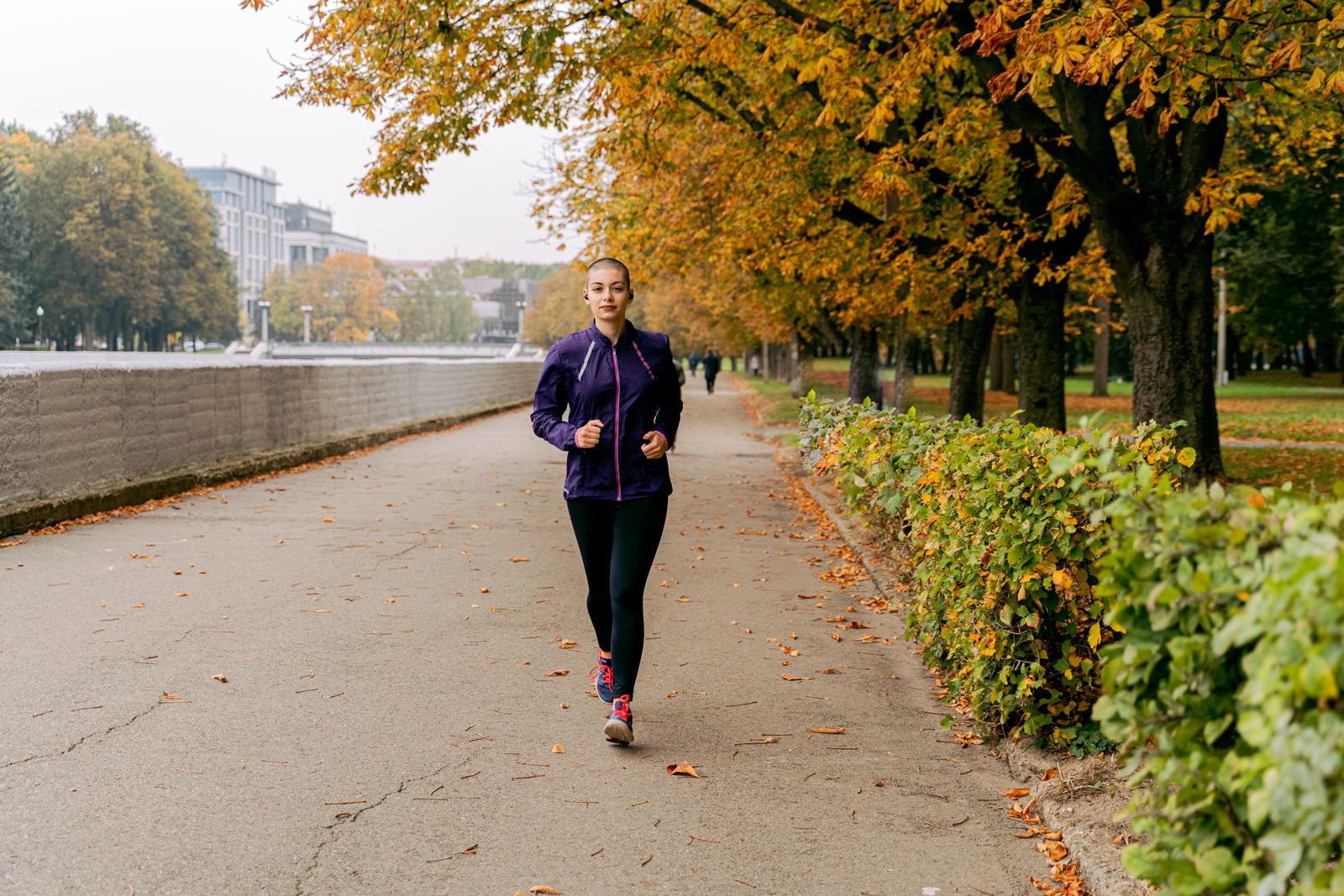
Canadian store • Verified product selection • Compression options for sport, work, travel, and recovery
Knee-high socks for calf tightness
How to choose knee-high compression for tight calves
Calf tightness can feel different depending on whether it shows up during runs, after long workdays, while flying, or during cool-weather walks. The best option usually depends on how much foot coverage you want, how warm you run, and whether you need everyday comfort or sport-focused support.
Match the calf tightness scenario to a support route and Medibrace option.
| If your main scenario is... | Choose this route | Medibrace option | Why it fits |
|---|---|---|---|
| Tight calves after standing or walking all day | Knee-high graduated compression sock | Bauerfeind Compression Sock Merino 20-30 mmHg | Merino blend comfort and full lower-leg coverage suit long days when calf tightness builds gradually. |
| Running or gym sessions where calves feel loaded | Sport knee-high compression sock | Bauerfeind Compression Sock Training | Training-focused fabric and calf coverage help support active movement without choosing a bulky brace. |
| Athletic recovery after hard efforts | Performance knee-high compression sock | Bauerfeind Performance Compression Socks 20-30 mmHg | Firmer 20-30 mmHg support and sport construction fit post-workout recovery routines and repeat training weeks. |
| Calf tightness with preferred open-foot feel | Calf compression sleeve | Bauerfeind Sports Compression Calf Sleeves (Pair) | Sleeves support the calf while leaving footwear and socks unchanged, useful when foot coverage feels too warm. |
| Cool-weather walking or travel days | Warm knee-high compression sock | Bauerfeind Compression Sock Merino 20-30 mmHg | The merino option balances warmth, breathability, and below-knee support for tight calves during cooler Canadian seasons. |
Recommended Medibrace options
Bauerfeind Compression Sock Merino 20-30 mmHg (Pair)

- Role: Warm everyday knee-high option
- Support type: 20-30 mmHg knee-high graduated compression sock
- Price: $130.99
- Best for: Calf tightness during cooler commutes, travel days, and long standing shifts where warmth and full lower-leg coverage matter.
- Tradeoff: May feel warmer than a sport sock during indoor training or hot weather.
Bauerfeind Compression Sock Training

- Role: Training-focused knee-high option
- Support type: Sport knee-high compression sock
- Price: $135.99
- Best for: Runs, gym sessions, and active workdays where calf tightness appears with repeated loading and you want breathable sport support.
- Tradeoff: Less warmth than merino, so it may not be the first pick for cold outdoor wear.
Bauerfeind Performance Compression Socks 20-30 mmHg

- Role: Performance and recovery option
- Support type: 20-30 mmHg performance compression sock
- Price: $135.99
- Best for: Athletic recovery routines and demanding training weeks when calves feel heavy or tight after repeated effort.
- Tradeoff: Firmer sport support may feel more structured than casual everyday socks.
Bauerfeind Sports Compression Calf Sleeves (Pair)

- Role: Open-foot calf support option
- Support type: Calf compression sleeve pair
- Price: $100.99
- Best for: Calf tightness when you want targeted lower-leg support while keeping your usual socks, insoles, or footwear fit unchanged.
- Tradeoff: Does not cover the foot or ankle, so choose socks when full graduated foot-to-calf coverage is preferred.
Compare knee-high socks and sleeves by activity, coverage, and feel.
| Choice | Best context | Main advantage | When to choose differently |
|---|---|---|---|
| Merino knee-high socks | Cool-weather walking, travel, and long standing days | Warmth plus below-knee graduated support | Choose a sport sock if heat buildup is your main concern. |
| Training knee-high socks | Running, gym sessions, and active daily use | Breathable support shaped around movement | Choose merino for colder outdoor wear or slower travel days. |
| Performance 20-30 mmHg socks | Recovery after hard efforts and repeat training | Structured support for calves that feel loaded after activity | Choose a lighter training route for casual all-day wear. |
| Calf sleeves | Open-foot support with your own socks or shoes | Calf-focused coverage without changing foot fit | Choose knee-high socks when foot and ankle coverage are important. |
Fit, use, and safety guidance
- Measure calf circumference and leg length before choosing a size, especially if calves swell during the day.
- Knee-high socks should sit below the knee crease without rolling, pinching, or bunching behind the knee.
- Start with shorter wear periods if you are new to firmer 20-30 mmHg compression.
- Choose moisture-managing sport fabric for running and training, and merino when warmth is part of the use case.
- Remove compression if you notice numbness, unusual colour change, sharp pain, or new discomfort.
Health and safety note: This Medibrace guide is general product-selection information only. It does not diagnose, treat, cure, prevent, prescribe, or replace advice from a licensed clinician.
When to check with a clinician first
Check with a clinician before using compression if calf tightness is sudden, one-sided, linked with marked swelling, warmth, redness, shortness of breath, diabetes-related circulation concerns, known vascular disease, or recent surgery. Professional guidance can help confirm whether compression is appropriate for your situation.
Related Medibrace routes
FAQ
Are knee-high compression socks useful for calf tightness?
They are commonly used to support the calf and lower leg during standing, travel, training, and recovery routines. Fit, compression level, and comfort matter.
Should I choose socks or calf sleeves for tight calves?
Choose knee-high socks when you want foot, ankle, and calf coverage. Choose calf sleeves when you want calf support while keeping your usual socks or shoe fit.
Is 20-30 mmHg too firm for calf tightness?
It can feel firm for first-time users. Start gradually and check sizing carefully. Ask a clinician if you have circulation concerns or medical conditions.
Can I wear knee-high compression socks while running?
Many runners use sport compression socks for calf support during runs. Pick breathable training fabric and remove them if discomfort, numbness, or colour change appears.