
For Back Muscle Stimulator Canada
For Back Muscle Stimulator Canada: Support Options to Pair With TENS
This page is for informational purposes only and does not constitute medical advice. Always consult a qualified healthcare provider before selecting or using a brace or support for your situation.
Direct answer: For back muscle stimulator use in Canada, choose support based on where you need stability during movement. A TENS or stimulation routine is separate from bracing, but a lumbar or sacroiliac support can help with comfort, posture awareness, and steadier daily activity when sized and worn correctly.
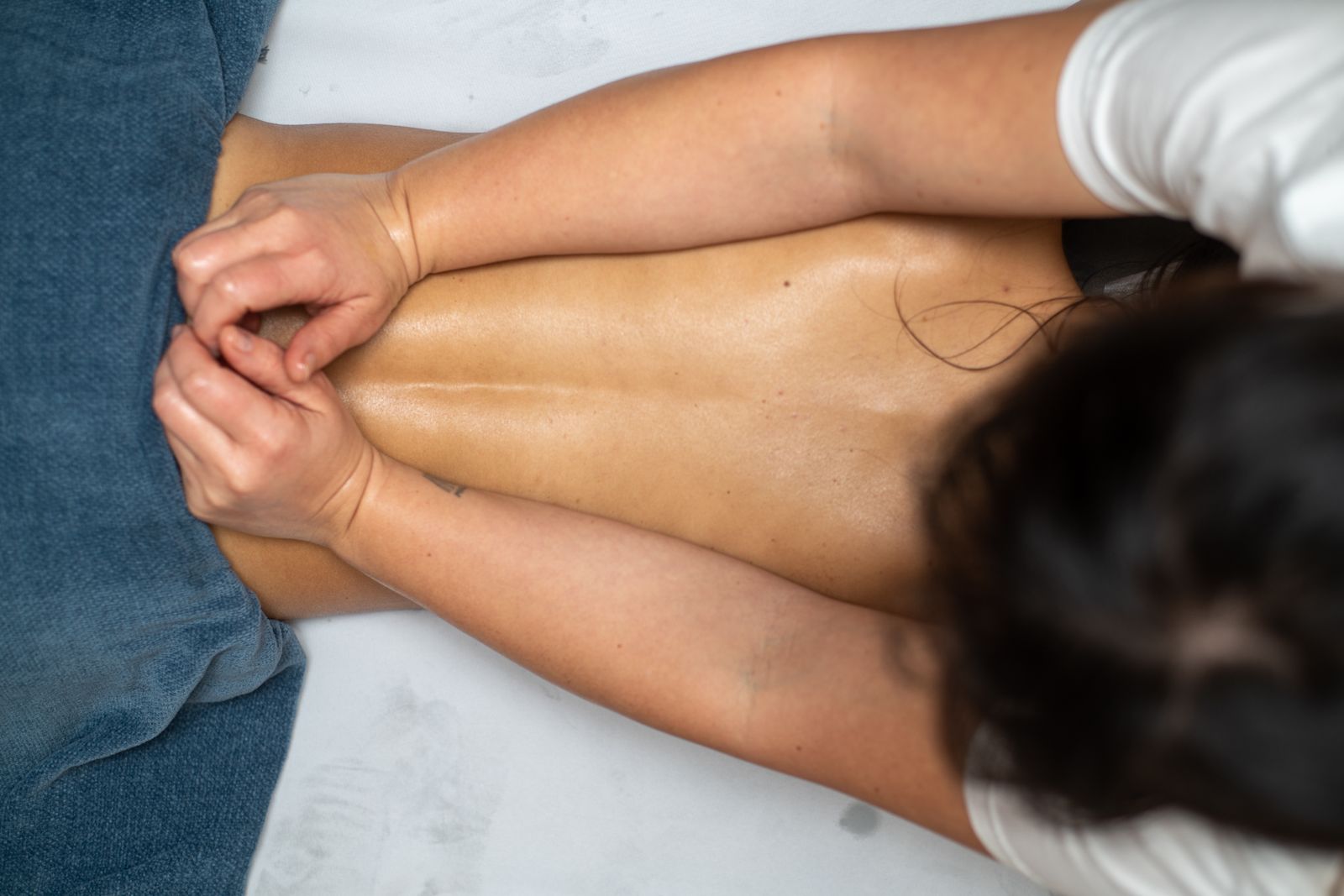
Canadian brace selection • Product-specific fit guidance • Support options for lower back stability
Back muscle stimulator support
How to choose back support around a stimulator routine
A muscle stimulator is commonly used as part of a comfort routine, while a brace is chosen for external support during sitting, standing, walking, work, or exercise. The best match depends on whether the concern is low-back stability, sacroiliac control, posture reminders, or flexible support that still allows normal movement.
Match the daily situation to the support route before choosing a product.
| If your main scenario is... | Choose this route | Medibrace option | Why it fits |
|---|---|---|---|
| Desk work with low-back fatigue | Structured lumbar support | Bauerfeind LumboLoc Back Brace | A firmer lumbar panel helps cue upright posture during long seated blocks. |
| Active errands and walking | Flexible lumbar compression and movement support | Bauerfeind LumboTrain Back Brace | Elastic knit support moves more naturally when the day includes frequent position changes. |
| Higher support need around the lower back | Enhanced lumbar stabilization | Bauerfeind LumboLoc Forte Back Brace | Extra structure suits people who want a more controlled feel during careful daily movement. |
| Pain centered near the sacroiliac area | Pelvic and SI-region support | Bauerfeind SacroLoc Back Brace | Its low-profile pelvic orientation is built for support lower than a standard lumbar belt. |
| Budget-conscious occasional support | Basic lumbosacral belt | Bird & Cronin Lumbosacral Back Support | A simpler belt can work for short support windows when advanced adjustability is less important. |
Recommended Medibrace options
Bauerfeind LumboLoc Back Brace

- Role: Structured lumbar support for daily stability
- Support type: Firm lumbar brace with adjustable compression
- Price: $340.00
- Best for: People pairing a back muscle stimulator routine with seated work, standing tasks, or cautious walking who want a steady low-back reminder without choosing a full torso brace.
- Tradeoff: More structured than a soft belt, so it may feel less flexible during bending.
Bauerfeind LumboTrain Back Brace

- Role: Flexible support for moving through the day
- Support type: Knit lumbar support with a more adaptive feel
- Price: $390.00
- Best for: Users who want back support around errands, light activity, and frequent sit-to-stand movement while keeping a less rigid feel than a panel-style brace.
- Tradeoff: Less rigid control than LumboLoc or LumboLoc Forte.
Bauerfeind LumboLoc Forte Back Brace

- Role: Higher-control lumbar support
- Support type: Enhanced stabilizing lumbar brace
- Price: $670.00
- Best for: Situations where a person wants a stronger sense of external low-back control during careful daily routines, especially when basic lumbar support feels too light.
- Tradeoff: Bulkier and more restrictive than flexible knit support.
Bauerfeind SacroLoc Back Brace

- Role: Sacroiliac-region support option
- Support type: Low pelvic support for the SI area
- Price: $440.00
- Best for: People whose main comfort and stability concern sits lower around the pelvis or sacroiliac region rather than across the mid-lumbar area.
- Tradeoff: Focused lower than a standard back brace, so it is not the best match for upper lumbar posture support.
Compare the main choices by where support is needed most.
| Choice | Best context | Main advantage | When to choose differently |
|---|---|---|---|
| LumboLoc | Low-back stability during desk work, standing, and walking | Structured feel with adjustable everyday support | Choose LumboTrain when flexibility matters more than firm control. |
| LumboTrain | Active days with frequent position changes | More adaptive feel under clothing and during movement | Choose LumboLoc Forte when stronger stabilization is preferred. |
| LumboLoc Forte | Higher support preference for careful daily routines | More controlled feel than standard lumbar supports | Choose a lighter brace for short wear windows or more bending. |
| SacroLoc | Lower pelvic or sacroiliac-region support | Targets support below the usual lumbar brace zone | Choose a lumbar brace when the main need is higher on the low back. |
Fit, use, and safety guidance
- Measure at the body location specified for the product, not over bulky clothing.
- Use a snug fit that supports posture and movement without pinching or restricting breathing.
- Keep stimulator pads and brace edges from crowding the same skin area during wear.
- Start with shorter wear windows and adjust based on comfort during real daily tasks.
- Stop using the brace or stimulator and ask a professional if skin irritation, numbness, or unusual symptoms appear.
Health and safety note: This Medibrace guide is general product-selection information only. It does not diagnose, treat, cure, prevent, prescribe, or replace advice from a licensed clinician.
When to check with a clinician first
Check with a qualified clinician before using a muscle stimulator or brace if you have a pacemaker or implanted device, are pregnant, have new numbness or weakness, recent trauma, unexplained symptoms, skin sensitivity, or pain that is worsening or spreading. Professional guidance can help match support level, placement, and wear time to your situation.
Related Medibrace routes
FAQ
Can I wear a back brace while using a muscle stimulator?
Often yes, but keep the brace from pressing directly on pads, wires, or irritated skin. Follow the stimulator instructions and ask a clinician if you are unsure about placement.
Which back brace pairs best with a muscle stimulator routine?
For general low-back stability, LumboLoc is a strong starting point. For more movement, consider LumboTrain. For lower pelvic support, SacroLoc may fit the scenario better.
Is a muscle stimulator the same as a back brace?
No. A stimulator is used separately as part of a comfort routine, while a brace provides external support and posture cues during activity.
How tight should a back brace feel?
It should feel snug and supportive without pinching, limiting breathing, or creating pressure marks. Recheck sizing if it shifts, rolls, or feels harsh during normal movement.