
Hernia Belt for Posture Pain Canada
Hernia Belt for Posture Pain in Canada
This page is for informational purposes only and does not constitute medical advice. Always consult a qualified healthcare provider before selecting or using a brace or support for your situation.
Direct answer: A hernia belt for posture pain may help when abdominal pressure, core fatigue, or guarding changes how you stand and move. For posture-related back discomfort, many people compare abdominal hernia support with lumbar braces that support the lower back and help cue a steadier upright position during daily activity.
Canadian support guidance • Verified Medibrace product options • Health-Canada-safe education • Fit and use reminders
Choosing support for posture-related discomfort
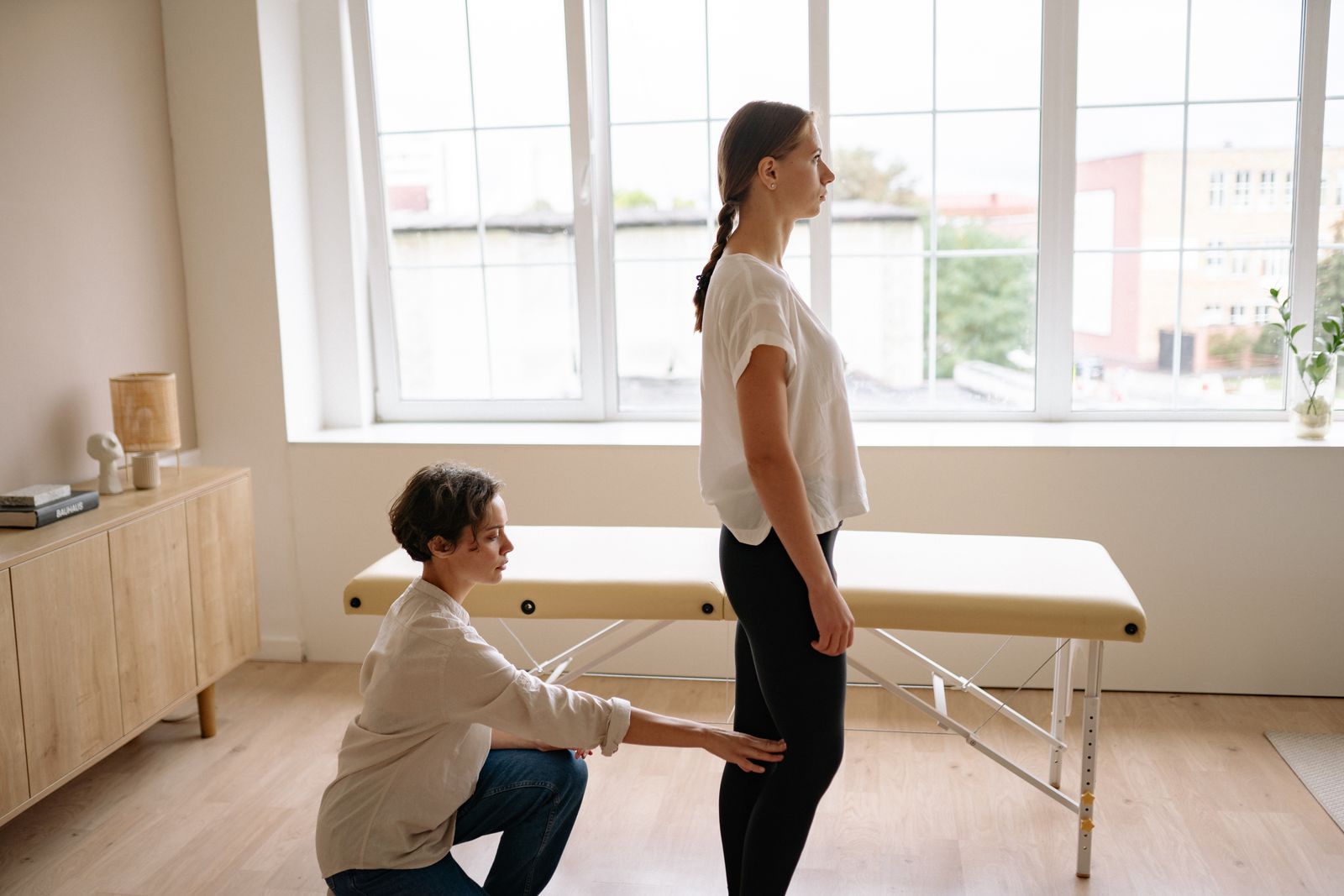
Posture pain can feel different when abdominal weakness, a previous hernia, or lower-back fatigue is involved. The useful choice is usually the one that matches where you need support: front abdominal containment, lower-back stability, sacroiliac control, or a lighter posture cue for work and walking.
Match the support route to the way posture pain shows up during the day.
| If your main scenario is... | Choose this route | Medibrace option | Why it fits |
|---|---|---|---|
| Lower-back fatigue after standing | Lumbar brace with firm posterior support | Bauerfeind LumboLoc Back Brace | Fits when posture pain is driven by low-back tiredness and you want structured support without abdominal pressure. |
| Posture collapse with stronger low-back discomfort | Higher-control lumbar support | Bauerfeind LumboLoc Forte Back Brace | Useful when ordinary standing or walking needs more bracing and adjustable control around the lumbar area. |
| Mild posture cue for desk and errands | Light lumbar stabilization | Bauerfeind LordoLoc Back Brace | A slimmer option when the goal is a daily posture reminder and gentle lumbar support under clothing. |
| Low back and pelvic-area strain | Sacroiliac-focused support | Bauerfeind SacroLoc Back Brace | Better when discomfort sits lower around the pelvis rather than across the central abdominal area. |
| Budget-conscious daily back support | Lumbosacral wrap support | Bird & Cronin Lumbosacral Back Support | A straightforward wrap option for people comparing nearby support choices for routine posture-related strain. |
Recommended Medibrace options
Bauerfeind LordoLoc Back Brace

- Role: Light daily posture cue
- Support type: Slim lumbar stabilization
- Price: $260.00
- Best for: People who feel posture-related lower-back fatigue during desk work, errands, or short walks and want a lower-profile brace.
- Tradeoff: Less controlling than stronger lumbar braces, so it may not feel supportive enough for heavier activity.
Bauerfeind LumboLoc Back Brace

- Role: Structured lumbar support
- Support type: Firm lower-back bracing
- Price: $340.00
- Best for: Standing-heavy days where posture pain builds through the lower back and a more defined brace helps cue upright movement.
- Tradeoff: More noticeable under fitted clothing than lighter posture support options.
Bauerfeind LumboLoc Forte Back Brace

- Role: Higher-control lumbar option
- Support type: Adjustable lumbar stabilization
- Price: $670.00
- Best for: Posture-related discomfort that needs stronger low-back control during walking, work tasks, or longer periods on your feet.
- Tradeoff: Higher support and price may be more than needed for mild, occasional posture fatigue.
Bauerfeind SacroLoc Back Brace

- Role: Pelvic and sacroiliac support
- Support type: Sacroiliac belt-style support
- Price: $440.00
- Best for: Pain that sits low around the pelvis or sacroiliac area when posture changes after abdominal guarding or back fatigue.
- Tradeoff: Targets the pelvis more than the central lumbar spine or abdominal wall.
Bird & Cronin Lumbosacral Back Support

- Role: Practical everyday wrap
- Support type: Lumbosacral support wrap
- Price: $76.00
- Best for: People searching for a simpler support route for posture-related lower-back strain during routine home or work activity.
- Tradeoff: Fit and materials are more basic than premium contoured Bauerfeind options.
Use the location of pressure and the activity that triggers symptoms to narrow the choice.
| Choice | Best context | Main advantage | When to choose differently |
|---|---|---|---|
| Abdominal hernia belt | Bulge support or abdominal wall sensitivity | Helps provide front abdominal containment | Choose lumbar support when the main issue is lower-back posture fatigue. |
| Light lumbar brace | Desk work, errands, mild standing discomfort | Easier to wear under clothing for daily cues | Choose firmer support when longer standing increases pain. |
| Firm lumbar brace | Workdays with repeated bending or long standing | More structured control around the lower back | Choose lighter support when bulk or heat limits wear time. |
| Sacroiliac support | Low pelvic or SI-area discomfort | Targets support lower than most lumbar braces | Choose abdominal support when front-wall pressure is the main concern. |
Fit, use, and safety guidance
- Measure where the brace will sit, since abdominal, lumbar, and pelvic supports use different fit zones.
- Start with shorter wear periods so your skin and movement pattern can adjust comfortably.
- The brace should feel supportive, not sharp, pinching, or restrictive around breathing.
- Use support as part of daily movement habits, not as a substitute for professional assessment when symptoms change.
- Recheck fit after sitting, walking, and bending because posture supports can shift during real activity.
Health and safety note: This Medibrace guide is general product-selection information only. It does not diagnose, treat, cure, prevent, prescribe, or replace advice from a licensed clinician.
When to check with a clinician first
Check with a clinician before choosing support if you have a new or painful bulge, recent surgery, spreading numbness, fever, unexplained weakness, bowel or bladder changes, or pain that is getting worse. Professional guidance is also important when abdominal pressure and back pain appear together.
Related Medibrace routes
FAQ
Can a hernia belt help posture pain?
A hernia belt may help with comfort when abdominal pressure or guarding affects how you stand. If the discomfort is mainly in the lower back, a lumbar brace may be a better support route.
Should I choose abdominal support or a back brace?
Choose abdominal support when front-wall pressure or a hernia bulge is the main issue. Choose a back brace when posture pain comes from lower-back fatigue, standing, or bending.
Can I wear a posture support all day?
Many people start with shorter wear periods and increase only if the brace remains comfortable. Remove it if you feel pinching, breathing restriction, skin irritation, or increasing pain.
What should I look for when shopping near me?
Look for the right support zone, clear sizing, adjustability, and a return path if the fit is wrong. Product choice should match your symptoms and daily activities.