
Hinged Knee Brace for ACL Injury in Canada
Hinged Knee Brace for ACL Injury in Canada
This page is for informational purposes only and does not constitute medical advice. Always consult a qualified healthcare provider before selecting or using a brace or support for your situation.
Direct answer: A hinged knee brace for ACL injury is commonly used when the knee needs more side-to-side stability than a sleeve alone can provide. The right choice depends on activity level, swelling, fit tolerance, and whether you need temporary immobilization, a structured brace, or a lower-profile support for everyday comfort.
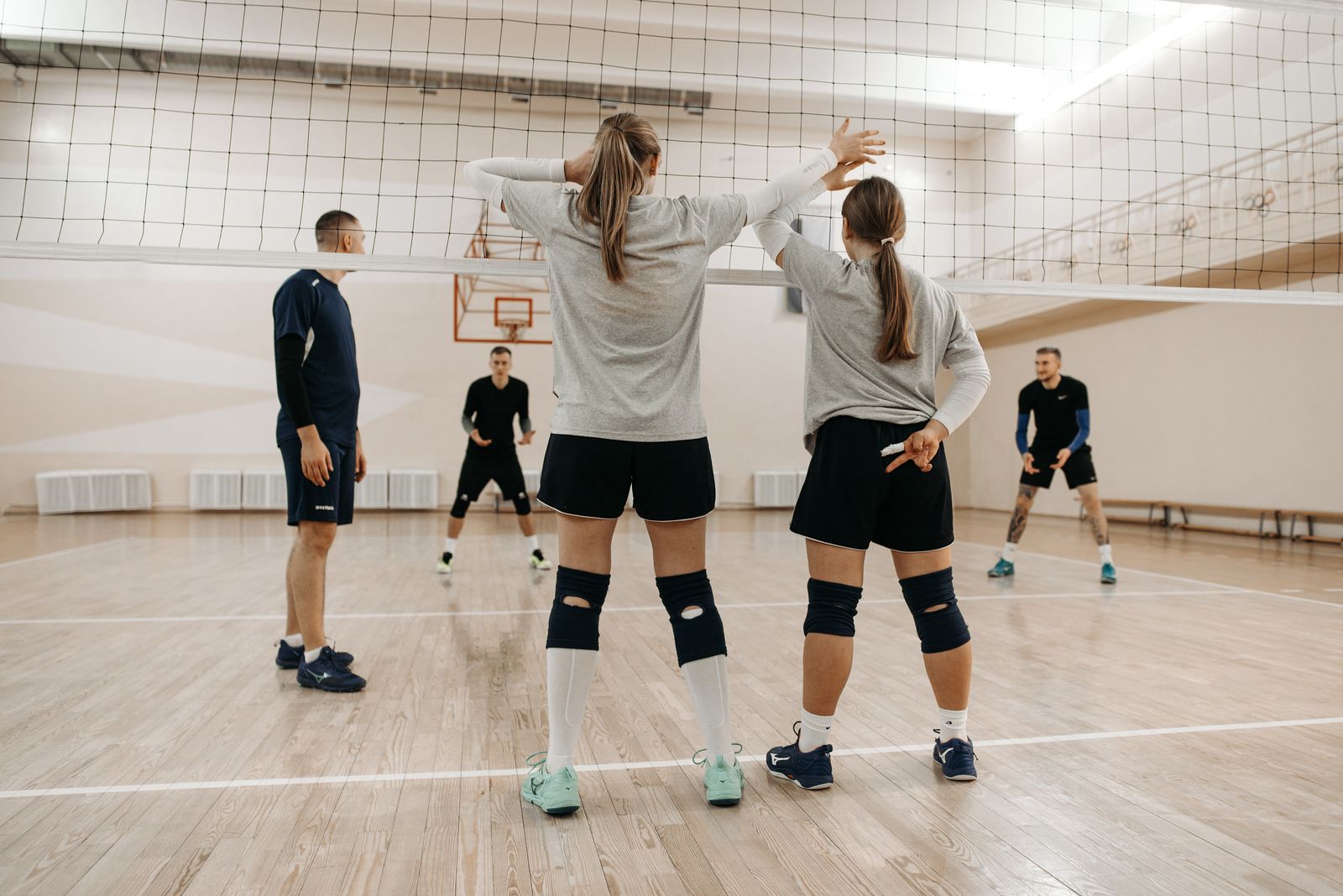
Canadian support • Fitting guidance available • Knee braces for daily, sport, and recovery contexts
Hinged Knee Brace for ACL Injury
How to choose hinged knee support for ACL injury context
ACL injury needs vary widely, from early protection after a clinical assessment to sport-specific stability planning. A hinged or structured knee brace can support confidence with walking, work, and controlled activity, while sleeves may suit lighter comfort needs. Fit, hinge bulk, strap security, and clinician guidance matter more than simply choosing the stiffest option.
Use the scenario that best matches your day-to-day knee demands.
| If your main scenario is... | Choose this route | Medibrace option | Why it fits |
|---|---|---|---|
| Early post-assessment protection with limited knee motion | Immobilizing support | Bauerfeind GenuLoc Knee Immobilizer | Keeps the knee in a controlled position when a clinician has advised temporary motion limits. |
| Everyday walking with a need for stable, low-bulk support | Knit brace with guided patella area | Bauerfeind GenuTrain Knee Brace | Offers a close sleeve fit for comfort under clothing when hinge-level structure is not required. |
| Longer workdays where slipping is a concern | Sleeve support with grip band | Bauerfeind GenuTrain Knee Brace with Silicone Band | The silicone band helps the brace stay positioned through repeated sitting, standing, and walking. |
| Anterior knee discomfort alongside ACL injury context | Targeted knit support | Bauerfeind GenuTrain A3 Knee Brace | Adds contoured support around the front of the knee for users balancing kneecap comfort and stability. |
| Mild daily support with easier donning and a softer feel | Comfort-focused knit brace | Bauerfeind GenuTrain Comfort Knee Brace | Works well when all-day wear and fabric comfort are higher priorities than maximum structure. |
Recommended Medibrace options
Bauerfeind GenuLoc Knee Immobilizer

- Role: Temporary motion-control option
- Support type: Immobilizer
- Price: $300.00
- Best for: Situations where a clinician has recommended keeping the knee more controlled during early walking or short-term protection.
- Tradeoff: Bulkier than sleeve-style braces and intended for more restricted movement contexts.
Bauerfeind GenuTrain Knee Brace

- Role: Low-profile everyday support
- Support type: Knit knee brace
- Price: $195.00
- Best for: Daily walking, errands, and light activity when comfort and a close fit under clothing are important.
- Tradeoff: Does not provide the same side-to-side structure as a true hinged brace.
Bauerfeind GenuTrain Knee Brace with Silicone Band

- Role: Stay-put sleeve option
- Support type: Knit knee brace with silicone band
- Price: $220.00
- Best for: Longer days on your feet where brace migration is distracting and consistent positioning is a priority.
- Tradeoff: The grip band can feel snug for users who prefer a softer top edge.
Bauerfeind GenuTrain A3 Knee Brace

- Role: Front-of-knee comfort support
- Support type: Contoured knit knee brace
- Price: $340.00
- Best for: ACL injury context with kneecap-area sensitivity during stairs, squats, or repeated bending tasks.
- Tradeoff: More targeted than a basic sleeve, but still less rigid than hinged bracing.
Compare support routes before choosing a brace style.
| Choice | Best context | Main advantage | When to choose differently |
|---|---|---|---|
| Hinged knee brace | ACL injury context with instability concerns | Adds more side-to-side structure than a sleeve | Choose a sleeve when bulk and everyday comfort matter more. |
| Knee immobilizer | Short-term motion control after professional guidance | Limits movement for specific early-stage situations | Choose a hinged or knit brace when controlled bending is appropriate. |
| Knit knee brace | Daily support, warmth, and comfort | Fits closer under clothing and is easier for routine wear | Choose hinged support when lateral stability is the main concern. |
| Custom knee brace | Sport, work, or complex fit needs | Can be matched closely to higher-demand activity goals | Choose off-the-shelf support when needs are lighter or sizing is straightforward. |
Fit, use, and safety guidance
- Measure the thigh and calf as directed by the product sizing guide, because knee brace fit changes with swelling and leg shape.
- A brace should feel secure without numbness, tingling, skin pinching, or changes in foot colour.
- Recheck strap tension after walking for several minutes, especially with hinged or immobilizing designs.
- Wear time should match clinician guidance, activity level, and skin tolerance rather than an all-day default.
- For ACL injury context, brace choice should align with your assessment, activity goals, and any rehab plan already in place.
Health and safety note: This Medibrace guide is general product-selection information only. It does not diagnose, treat, cure, prevent, prescribe, or replace advice from a licensed clinician.
When to check with a clinician first
Speak with a clinician before choosing a brace if the knee feels unstable, locks, gives way, swells quickly, or if you are planning return to sport after an ACL injury. Professional guidance is also important after surgery, with new trauma, or when you are unsure whether motion should be limited.
Related Medibrace routes
FAQ
Is a hinged knee brace better than a sleeve for ACL injury?
A hinged knee brace may help with stability when side-to-side control is the priority. A sleeve can be more comfortable for daily wear when the main goal is light support and fit under clothing.
Can I use a knee immobilizer for an ACL injury?
A knee immobilizer is usually for short-term motion control when recommended by a clinician. It is bulkier and more restrictive than hinged or knit brace options.
How tight should a hinged knee brace feel?
It should feel secure and centered without numbness, tingling, pinching, or circulation changes. Recheck fit after walking because straps can shift with movement.
Should I ask a clinician before returning to sport with a brace?
Yes. Return-to-sport decisions after ACL injury should be guided by a clinician who can assess stability, strength, movement quality, and brace needs.