
Knee Immobilizer for Medial Knee Pain Canada
Knee Immobilizer for Medial Knee Pain in Canada
This page is for informational purposes only and does not constitute medical advice. Always consult a qualified healthcare provider before selecting or using a brace or support for your situation.
Direct answer: A knee immobilizer for medial knee pain is commonly used when the knee needs a straighter, more controlled position for comfort and stability. For lighter activity, a compression knit or hinged brace may be easier to wear. The best choice depends on how much motion control, swelling comfort, and day-to-day mobility you need.
Canadian orders • Knee brace specialists • Fit guidance available • Secure checkout
Knee Immobilizer for Medial Knee Pain
Choosing the right support route
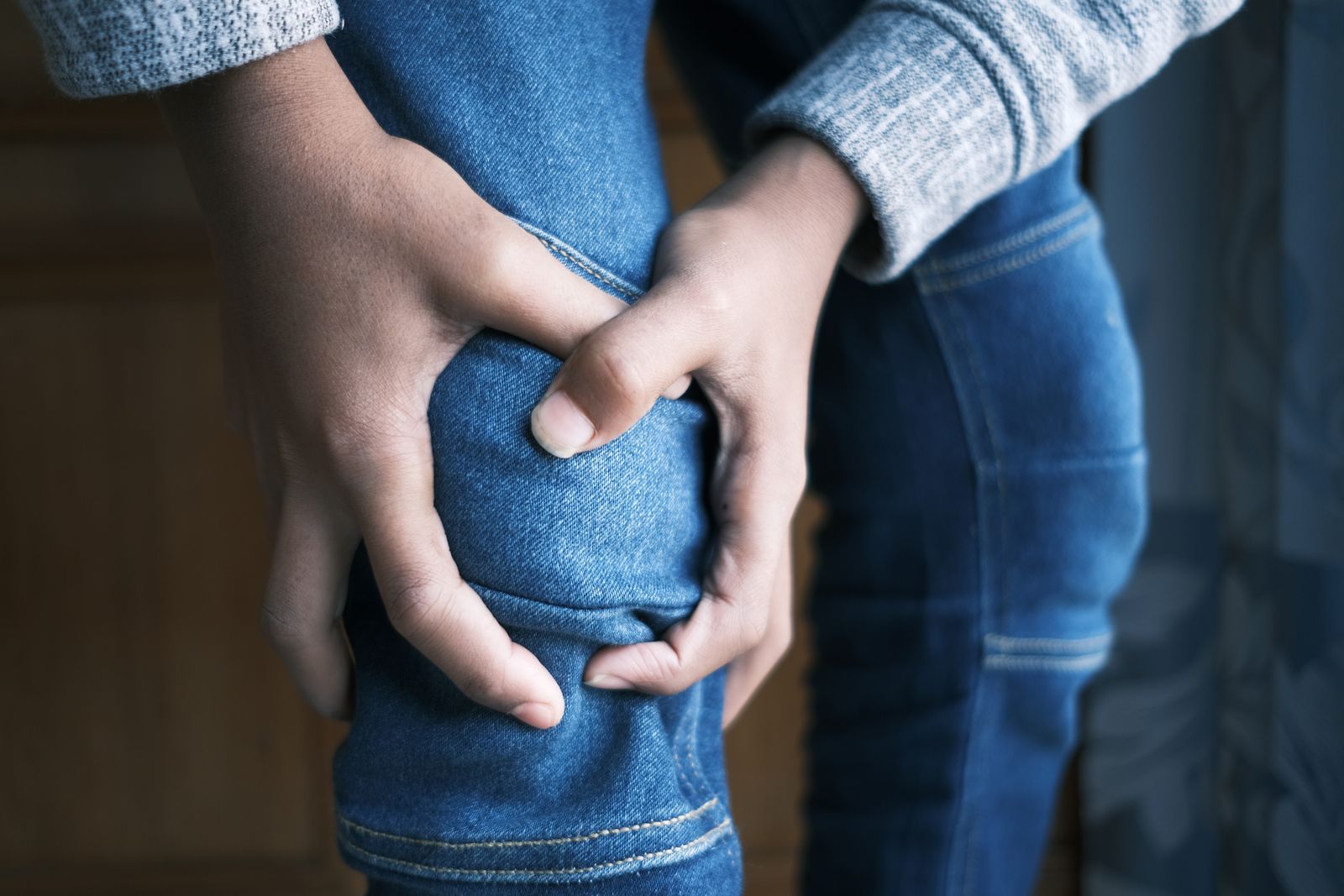
Medial knee pain is felt along the inner side of the knee, so shoppers often compare immobilizers with sleeve-style and hinged options. Immobilizers prioritize straight-position control, while knit braces and hinged braces can be better for people who still need controlled walking, stairs, or workday movement.
Use the scenarios below to match medial knee pain context with a practical support style.
| If your main scenario is... | Choose this route | Medibrace option | Why it fits |
|---|---|---|---|
| Need the knee kept straighter after a recent flare-up | Immobilizer | Bauerfeind GenuLoc Knee Immobilizer | Rigid stays and a wrap design help limit bending when comfort depends on a steadier knee position. |
| Inner knee discomfort during errands or office days | Compression knit brace | Bauerfeind GenuTrain Knee Brace | A breathable knit sleeve adds gentle compression and patella guidance without the bulk of an immobilizer. |
| Medial-side aching with stairs or longer walks | Targeted knit support | Bauerfeind GenuTrain A3 Knee Brace | Designed for more focused knee guidance when movement, swelling sensation, and inner-side comfort all matter. |
| Sensitive skin or longer wear windows | Comfort knit brace | Bauerfeind GenuTrain Comfort Knee Brace | Softer materials suit people who want knee support for repeated daily wear without rigid immobilization. |
| Need extra stay-put security during activity | Knit brace with silicone band | Bauerfeind GenuTrain Comfort Knee Brace with Silicone Band | The silicone band helps the sleeve stay positioned when walking, commuting, or moving between tasks. |
Recommended Medibrace options
Bauerfeind GenuLoc Knee Immobilizer

- Role: Maximum motion-control option
- Support type: Knee immobilizer
- Price: $300.00
- Best for: Medial knee pain situations where keeping the knee straighter and more controlled is the main comfort priority.
- Tradeoff: Bulkier than sleeve-style braces and less suited to active walking or stairs.
Bauerfeind GenuTrain A3 Knee Brace

- Role: Targeted daily support
- Support type: Anatomical knit knee brace
- Price: $340.00
- Best for: Inner-knee discomfort during daily movement when you want guided compression without fully limiting knee bend.
- Tradeoff: Offers less motion restriction than an immobilizer for times when straight-position control is needed.
Bauerfeind GenuTrain Comfort Knee Brace

- Role: Comfort-first sleeve option
- Support type: Soft knit knee brace
- Price: $230.00
- Best for: Longer wear days when medial-side knee comfort, breathable fabric, and easier movement are priorities.
- Tradeoff: Softer construction may feel less structured than hinged or immobilizer designs.
Bauerfeind GenuTrain Knee Brace with Silicone Band

- Role: Stay-put everyday brace
- Support type: Knit knee brace with silicone band
- Price: $220.00
- Best for: Walking, commuting, or work shifts where the brace needs to stay positioned while supporting knee comfort.
- Tradeoff: The silicone band can feel firmer than a standard knit edge for some users.
Compare immobilizer and brace choices by how much control and mobility you need.
| Choice | Best context | Main advantage | When to choose differently |
|---|---|---|---|
| Knee immobilizer | Shorter periods when the knee feels better held straighter | Highest straight-position control among these options | Choose a sleeve if you need easier bending for routine walking |
| Standard knit knee brace | Everyday medial-side discomfort with normal mobility needs | Lower profile under clothing and easier repeated wear | Choose an immobilizer if bending control is the priority |
| Targeted knit brace | Stairs, longer walks, and more focused knee guidance | Balances compression, patella guidance, and movement | Choose a comfort sleeve for softer all-day feel |
| Knit brace with silicone band | Active days when brace migration is frustrating | Helps maintain position during movement | Choose a standard edge if silicone grip feels too firm |
Fit, use, and safety guidance
- Measure according to the product size chart and recheck if swelling changes during the day.
- An immobilizer should feel secure around the thigh and calf without numbness, tingling, or skin colour change.
- For sleeve braces, align the patella area carefully so the knit zones sit where intended.
- Start with shorter wear sessions to check comfort before using a brace through a full workday.
- Stop use and seek professional guidance if pain sharply increases, the knee locks, or walking becomes difficult.
Health and safety note: This Medibrace guide is general product-selection information only. It does not diagnose, treat, cure, prevent, prescribe, or replace advice from a licensed clinician.
When to check with a clinician first
Check with a clinician before choosing support if medial knee pain followed a fall, twist, sport injury, sudden swelling, instability, warmth, redness, or trouble bearing weight. Professional assessment is also important when symptoms are new, worsening, or linked with numbness or calf pain.
Related Medibrace routes
FAQ
Is a knee immobilizer always best for medial knee pain?
No. An immobilizer is commonly used when limiting knee bend helps with comfort and stability, but a knit or hinged brace may be better for daily walking and stairs.
Can I walk in a knee immobilizer?
Some people can walk short distances in an immobilizer when advised to do so, but it changes gait and can feel bulky. Check fit and follow professional guidance.
What is the difference between a knee immobilizer and a knee sleeve?
An immobilizer is built to limit bending and hold the knee straighter. A sleeve adds compression and guidance while allowing more normal movement.
How tight should the brace feel?
It should feel secure and evenly fitted, without numbness, tingling, pinching, or skin colour change. Recheck straps or sizing if comfort changes.