
Sciatica Brace Support Guide Canada
Sciatica Brace Support Guide Canada
This page is for informational purposes only and does not constitute medical advice. Always consult a qualified healthcare provider before selecting or using a brace or support for your situation.
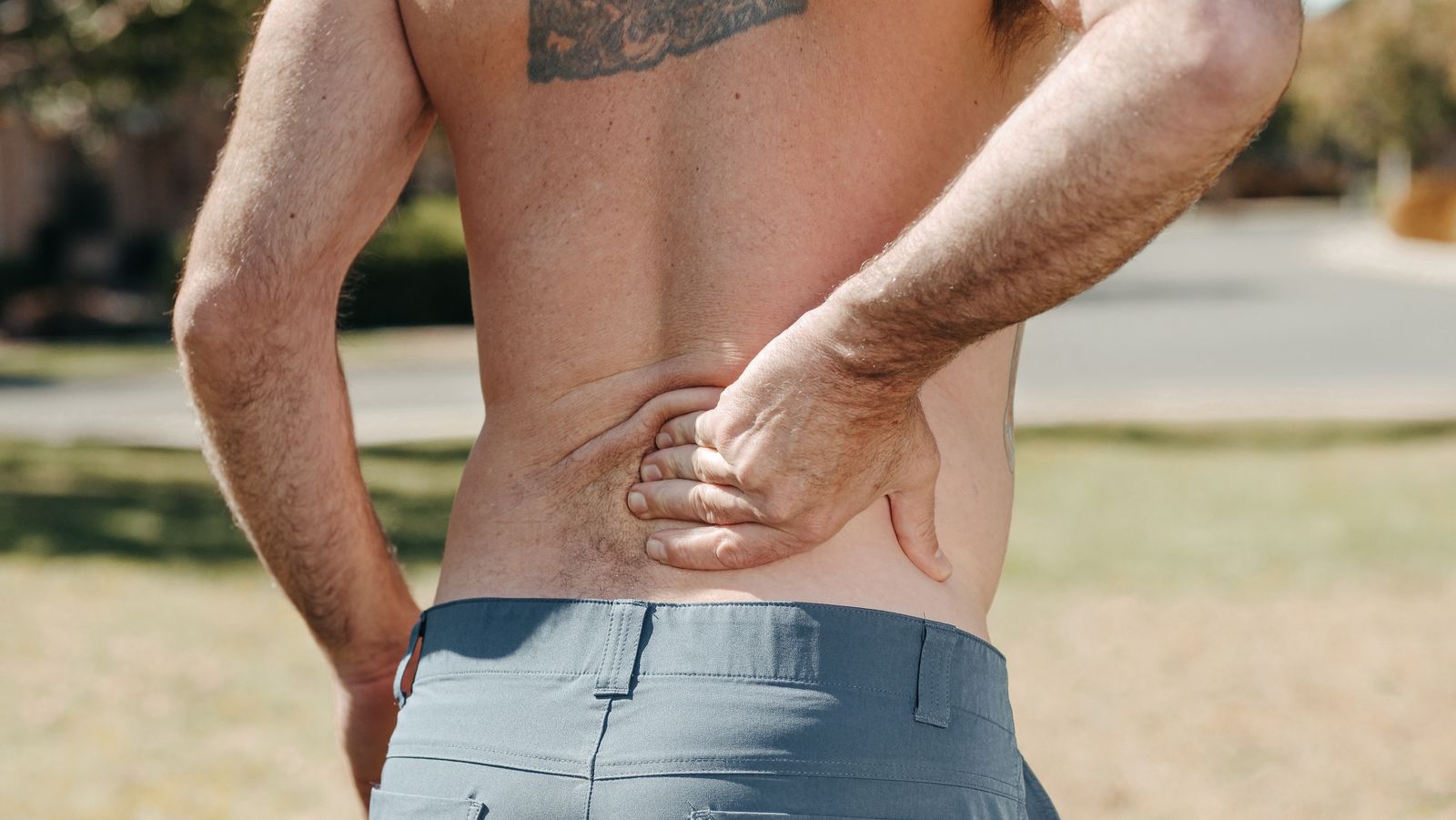
Direct answer: Sciatica brace support usually focuses on the lower back, lumbosacral area, or pelvis rather than the leg itself. A brace may help with comfort by improving trunk support, limiting irritating movements, or adding pelvic stability during walking, sitting, and daily tasks. The best route depends on where symptoms start and what activities make them worse.
Canadian brace selection • Health-Canada-safe guidance • Fit-focused product comparisons • Live Medibrace links
How to choose sciatica support
Sciatica-related discomfort can feel different from person to person, so brace choice should follow the movement pattern. Some shoppers want firmer lumbar control for bending and lifting, while others need flexible compression for long sitting or sacroiliac-area support for pelvic stability. Match the brace to the activity, fit tolerance, and support level you will actually wear.
Use the scenarios below to narrow the support route before comparing products.
| If your main scenario is... | Choose this route | Medibrace option | Why it fits |
|---|---|---|---|
| Lower back strain with symptoms that flare during bending | Structured lumbar support | Bauerfeind LumboLoc Back Brace | Firm posterior stays help limit repeated flexion and give the low back a steadier feel during chores or work tasks. |
| Daily sitting, commuting, or desk work with low back fatigue | Flexible lumbar compression | Bauerfeind LumboTrain Back Brace | Knit compression and a supportive pad suit people who want comfort support without a rigid brace feel. |
| Pelvic or sacroiliac-area discomfort with walking | Pelvic belt style support | Bauerfeind SacroLoc Back Brace | Targets the pelvis and SI region, which can fit people whose discomfort starts lower than the lumbar spine. |
| Budget-conscious support for occasional flare-ups | Lumbosacral wrap support | Bird & Cronin Lumbosacral Back Support | A simpler wrap design can help add broad low back support for short periods without premium brace pricing. |
| Need higher control for repeated standing or light lifting | Enhanced lumbosacral stabilization | Bauerfeind LumboLoc Forte Back Brace | A more substantial support route for people who prefer stronger guidance and adjustable stabilization around the low back. |
Recommended Medibrace options
Bauerfeind LumboLoc Back Brace

- Role: Firm lumbar support for movement control
- Support type: Structured lower back brace
- Price: $340.00
- Best for: People whose sciatica-related discomfort is aggravated by bending, lifting, or repeated trunk motion and who want a steadier lumbar feel.
- Tradeoff: More structured than soft compression, so it may feel noticeable during long relaxed sitting.
Bauerfeind LumboTrain Back Brace

- Role: Flexible support for everyday wear
- Support type: Knit lumbar compression with pad support
- Price: $390.00
- Best for: Long sitting, commuting, walking, or workdays where gentle low back support and comfort matter more than maximum restriction.
- Tradeoff: Less rigid control than stay-based braces for heavier bending or lifting tasks.
Bauerfeind SacroLoc Back Brace

- Role: Pelvic and SI-area support option
- Support type: Sacroiliac and pelvic stabilization belt
- Price: $440.00
- Best for: Discomfort that feels lower around the pelvis or sacroiliac area, especially when walking, standing, or changing positions.
- Tradeoff: It targets the pelvis more than the lumbar spine, so it may not suit shoppers needing broad low back coverage.
Bird & Cronin Lumbosacral Back Support

- Role: Simple lumbosacral wrap for occasional use
- Support type: Elastic lumbosacral support
- Price: $76.00
- Best for: Occasional flare-ups, household tasks, or shoppers who want an accessible first support option for broad low back comfort.
- Tradeoff: A simpler design with less refined contouring and adjustability than premium Bauerfeind options.
Bauerfeind LumboLoc Forte Back Brace

- Role: Higher-control lumbosacral support
- Support type: Enhanced lumbar stabilization brace
- Price: $670.00
- Best for: People who prefer stronger low back guidance during standing, light lifting, or repeated daily movement that tends to trigger discomfort.
- Tradeoff: Higher support and price, so it can be more brace than needed for mild or occasional symptoms.
Compare the main sciatica brace support routes by activity and tolerance.
| Choice | Best context | Main advantage | When to choose differently |
|---|---|---|---|
| Structured lumbar brace | Bending, chores, work tasks, and repeated trunk motion | Helps limit irritating low back movement and gives a steadier support feel | Choose flexible compression if comfort during long sitting is the top priority. |
| Flexible lumbar compression | Desk work, commuting, walking, and general daily wear | Easier to wear for longer periods while still adding low back support | Choose structured lumbar support when movement control matters more. |
| Pelvic or SI support | Symptoms that feel anchored around the pelvis or sacroiliac area | Focuses support lower than a traditional lumbar brace | Choose a lumbar brace if discomfort starts higher in the low back. |
| Basic lumbosacral wrap | Occasional support, short tasks, or lower budget needs | Accessible broad support for simple daily situations | Choose a premium brace for more contouring, adjustability, or extended wear comfort. |
Fit, use, and safety guidance
- Measure at the brace maker's recommended point, usually around the waist, hips, or pelvis depending on the design.
- A sciatica support should feel snug and steady, but it should not cause numbness, tingling, or pressure marks.
- Wear the brace during the activities that trigger discomfort rather than relying on it for every hour of the day.
- Recheck fit when sitting, walking, and bending because a brace that feels right standing may shift in motion.
- Pair support with clinician-guided movement advice when symptoms travel below the knee or keep returning.
Health and safety note: This Medibrace guide is general product-selection information only. It does not diagnose, treat, cure, prevent, prescribe, or replace advice from a licensed clinician.
When to check with a clinician first
Check with a clinician before choosing sciatica brace support if pain follows an injury, symptoms are worsening, numbness or weakness is present, discomfort travels sharply down the leg, or bladder or bowel changes occur. Professional assessment can help confirm whether lumbar, pelvic, or another care route is most appropriate.
Related Medibrace routes
FAQ
Can a brace help with sciatica comfort?
A brace may help with comfort when symptoms are aggravated by low back or pelvic movement. It supports the area around the source of irritation, but it should be matched to your activity and symptom pattern.
Is lumbar or pelvic support better for sciatica?
Lumbar support is commonly used when discomfort starts in the low back or worsens with bending. Pelvic support may fit better when discomfort feels lower around the sacroiliac area or pelvis.
Should I wear sciatica support all day?
Many people use support during aggravating activities, such as chores, work, commuting, or walking. Extended wear should be comfortable, and persistent or worsening symptoms should be checked by a clinician.
What size sciatica brace should I choose?
Use the product's measurement instructions and measure the body area the brace is designed to support. The brace should feel secure without pinching, slipping, or increasing symptoms.