
Tennis Elbow Strap for Hockey Canada
Tennis Elbow Strap for Hockey in Canada
This page is for informational purposes only and does not constitute medical advice. Always consult a qualified healthcare provider before selecting or using a brace or support for your situation.
Direct answer: A tennis elbow strap for hockey is commonly used when forearm load shows up during shooting, passing, stickhandling, or gripping the stick. Choose a counterforce strap for focused forearm support, or an elbow sleeve when you want broader warmth and coverage around the joint during practices and games.
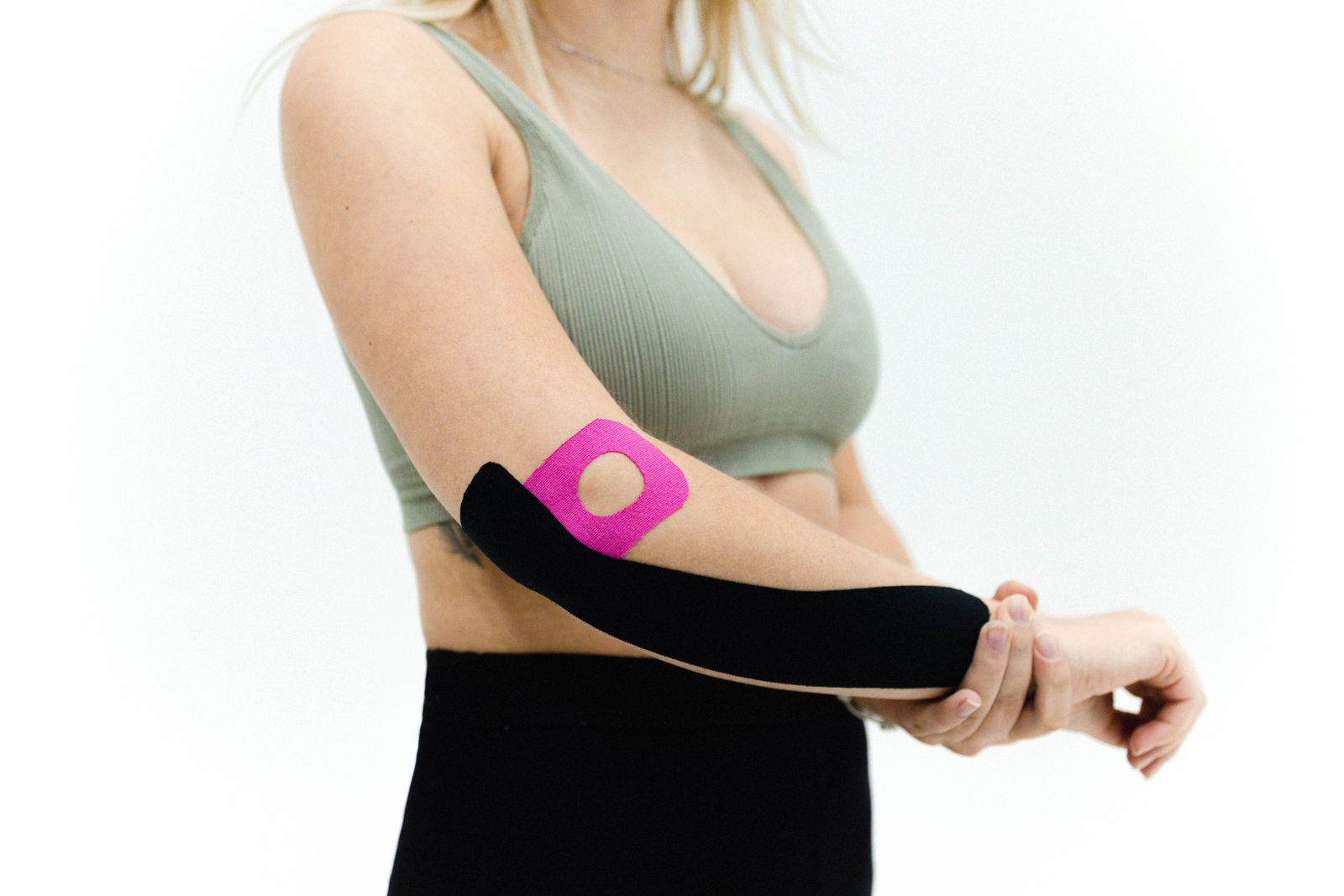
Canadian brace selection • Hockey-specific support routes • Fast Medibrace product comparison • Informational guidance only
Choosing forearm support for hockey grip and shooting
Hockey can put repeated demand through the forearm because the lower hand grips, twists, and controls the blade under speed. The best strap choice depends on whether you want a low-profile band under equipment, a more structured counterforce design, or a sleeve-style option for broader elbow coverage during rink sessions.
Quick selector for hockey-related forearm and elbow support needs.
| If your main scenario is... | Choose this route | Medibrace option | Why it fits |
|---|---|---|---|
| Low-profile support under elbow pads | Focused counterforce strap | BREG Tennis Elbow Strap | Simple strap profile that can sit below gear when the priority is targeted forearm pressure without bulky coverage. |
| Stickhandling and shooting sessions | Pneumatic counterforce band | Aircast Pneumatic Armband | Air cell design gives focused contact for players who want adjustable forearm pressure during repeated wrist extension and rotation. |
| Practice days with repeated puck work | Dual-pad forearm support | BandIT Forearm Tennis Elbow Support | Rigid band layout spreads contact across the forearm for players who want a strap that stays consistent through drills. |
| Players wanting premium strap adjustability | Adjustable performance strap | Bauerfeind EpiPoint | Dial-style fit helps fine tune strap tension for changing rink sessions, warmups, and post-game comfort preferences. |
| Broad elbow coverage in cold rinks | Elbow sleeve | Bauerfeind EpiTrain Elbow Brace | Sleeve design covers more of the elbow area when warmth, proprioceptive feel, and all-around coverage matter more than minimal bulk. |
Recommended Medibrace options
Aircast Pneumatic Armband

- Role: Focused hockey forearm strap
- Support type: Pneumatic counterforce armband
- Price: $49.99
- Best for: Players who want targeted, adjustable forearm contact during stickhandling, snapshots, passing drills, and repeated grip changes on the stick.
- Tradeoff: More focused than a sleeve, so it offers less general elbow coverage.
BandIT Forearm Tennis Elbow Support

- Role: Stable practice-day strap
- Support type: Dual-pad counterforce forearm support
- Price: $64.99
- Best for: Hockey players who prefer a firm strap feel that stays steady through repeated puck work, shooting lanes, and longer practice blocks.
- Tradeoff: The structured band can feel more noticeable under tight elbow pad setups.
Bauerfeind EpiPoint

- Role: Premium adjustable strap
- Support type: Adjustable counterforce strap
- Price: $120.00
- Best for: Players who want precise tension control between warmup, bench time, and high-repetition shooting or passing sessions.
- Tradeoff: Higher price point than simpler strap options.
BREG Tennis Elbow Strap

- Role: Simple low-profile option
- Support type: Counterforce elbow strap
- Price: $52.99
- Best for: Players looking for a straightforward strap that can fit into a gear bag and be worn for targeted forearm support around rink activity.
- Tradeoff: Less adjustable feel than premium or air-cell strap designs.
Bauerfeind EpiTrain Elbow Brace

- Role: Broader elbow coverage
- Support type: Elbow sleeve brace
- Price: $165.00
- Best for: Players who want more complete elbow-area coverage and a sleeve feel for cold rinks, dryland training, or general activity comfort.
- Tradeoff: Bulkier than a narrow strap and may need more space under equipment.
How strap and sleeve choices compare for hockey use.
| Choice | Best context | Main advantage | When to choose differently |
|---|---|---|---|
| Counterforce strap | Focused forearm support during shooting and stickhandling | Low-profile design with targeted pressure | Choose a sleeve if you want broader elbow coverage or warmth. |
| Pneumatic armband | Players who want a cushioned pressure point | Easy to adjust for changing comfort preferences | Choose a simpler strap if you want fewer parts and a lower price. |
| Structured forearm support | Long practices and repeated drills | Consistent band feel during high-repetition puck work | Choose a softer strap if rigid contact feels too noticeable. |
| Elbow sleeve | Cold rinks, dryland training, and broader coverage | Covers more surface area around the elbow | Choose a strap if you need minimal bulk under elbow pads. |
Fit, use, and safety guidance
- Place a forearm strap below the elbow where it feels secure without limiting circulation.
- Check that the strap does not bunch, slide, or press awkwardly under elbow pads.
- Start with light tension, then adjust after warmup when grip and forearm demand increase.
- Avoid wearing any brace so tight that it causes tingling, numbness, or colour change.
- For game use, test the fit during practice first so stickhandling and shooting feel natural.
Health and safety note: This Medibrace guide is general product-selection information only. It does not diagnose, treat, cure, prevent, prescribe, or replace advice from a licensed clinician.
When to check with a clinician first
Check with a qualified clinician if pain follows a fall, contact injury, sudden pop, swelling, numbness, weakness, or loss of motion. Also ask for guidance if forearm or elbow discomfort keeps returning, changes your grip strength, or affects work and daily activity outside hockey.
Related Medibrace routes
FAQ
Can I wear a tennis elbow strap while playing hockey?
Many players wear a forearm strap during practice or play when it fits securely under equipment and does not limit grip, circulation, or stick control.
Where should a hockey player place a tennis elbow strap?
Most counterforce straps sit on the forearm below the elbow. The exact position should feel secure and comfortable without tingling, slipping, or blocking movement.
Is a strap or sleeve better for hockey?
A strap is usually lower profile for targeted forearm support. A sleeve can be better when broader elbow coverage, warmth, and a more continuous fit are priorities.
Should I test the strap before a game?
Yes. Try it during practice or warmup first so you can confirm comfort, stick feel, shooting motion, and compatibility with elbow pads.