
Reviewed by Dr. Thanu Jey. This article is for informational purposes only and does not constitute medical advice. Always consult a qualified healthcare provider before selecting a brace for your condition.
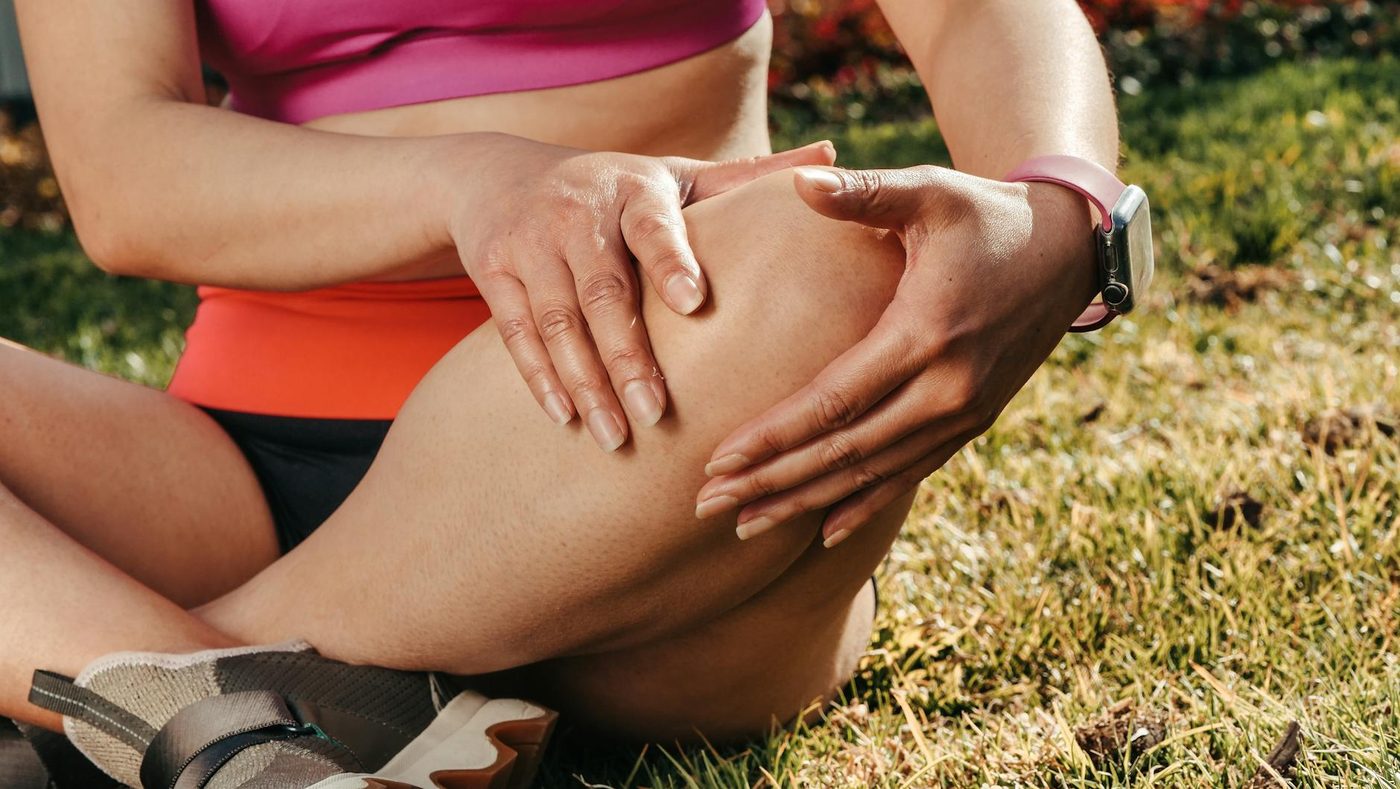
The Bauerfeind GenuPoint Knee Strap is a focused option for pain around the patellar tendon area, especially when a full knee sleeve feels like too much. It sits below the kneecap and applies pressure across the tendon region. For the right person, that small design is the point.
A strap is not a full knee brace. It does not give broad compression, side support, or kneecap tracking control like a sleeve can. It is best when the problem is specific: jumping, stairs, running, squats, or kneeling tasks that irritate the front of the knee.
This guide explains how GenuPoint fits, when a strap makes sense, and when Canadian shoppers should consider a fuller knee support instead.
Types of patella straps and knee supports
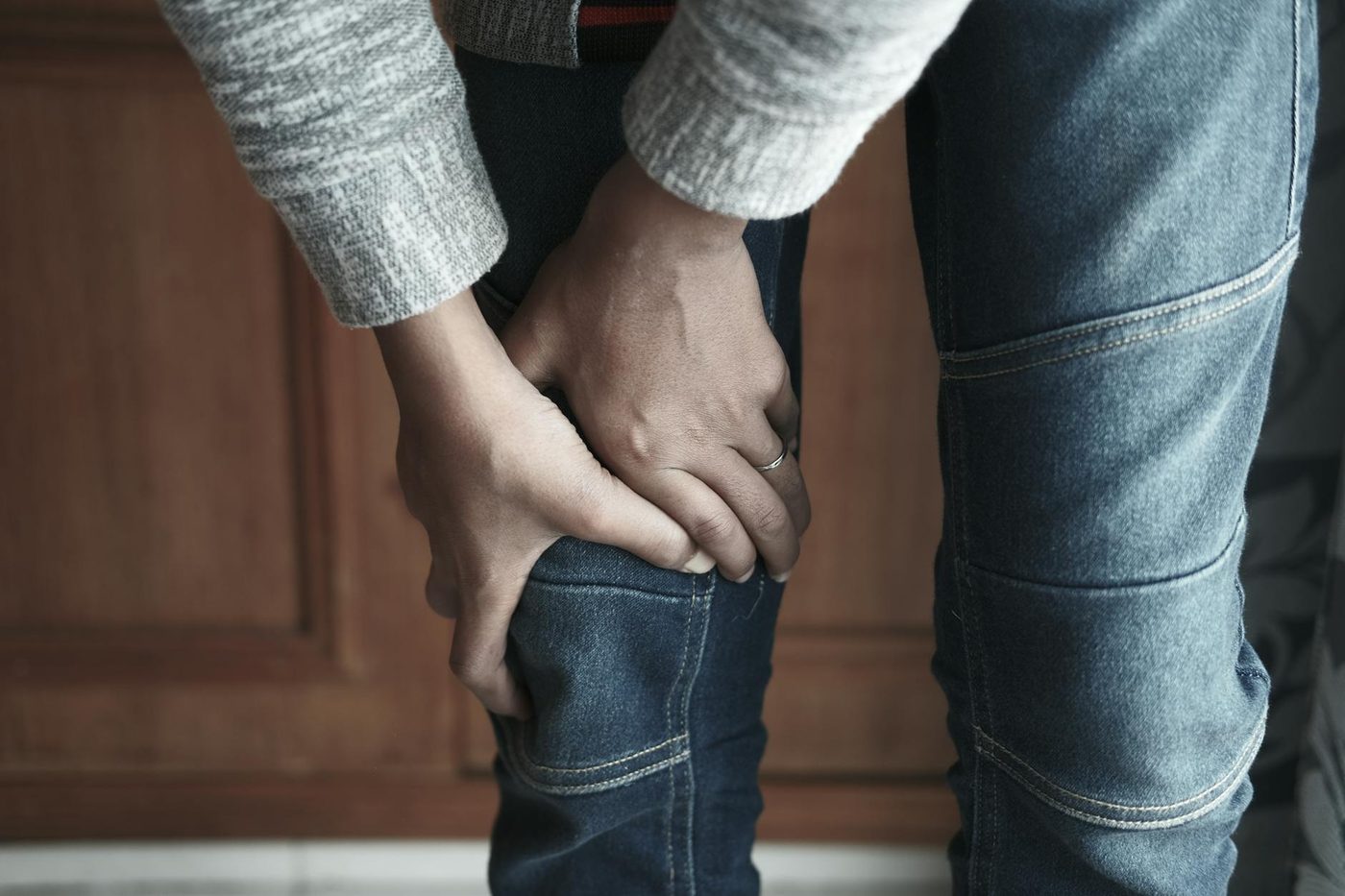
Patella straps are narrow supports worn just below the kneecap. They are commonly used for patellar tendon irritation patterns because they apply pressure to a small target zone while leaving most of the knee uncovered. They are cooler, smaller, and easier to wear than a sleeve.
Patellar tendon bandages are similar but may use a wider pad or different pressure system. Some feel softer, while others feel more direct. Full knee sleeves with patella guidance cover more of the joint and can be better when pain is not only at the tendon.
Front-of-knee pain is not always the same condition. Patellar tendon pain, kneecap tracking irritation, and general knee swelling can feel close together. Research on patellar tendinopathy discusses load management and tendon symptoms in active people. See https://pubmed.ncbi.nlm.nih.gov/26390269/ for one PubMed-indexed review.
- Choose a strap when pain is clearly below the kneecap during loading tasks.
- Choose a wider patellar tendon bandage when you want more contact area.
- Choose a patella-guided sleeve when kneecap tracking or broader knee ache is involved.
- Choose a regular compression sleeve for swelling and general support.
Small does not mean weak. A well-placed strap can feel surprisingly helpful. But it has a narrow job. If your whole knee feels unstable, a strap is the wrong tool.
How to choose
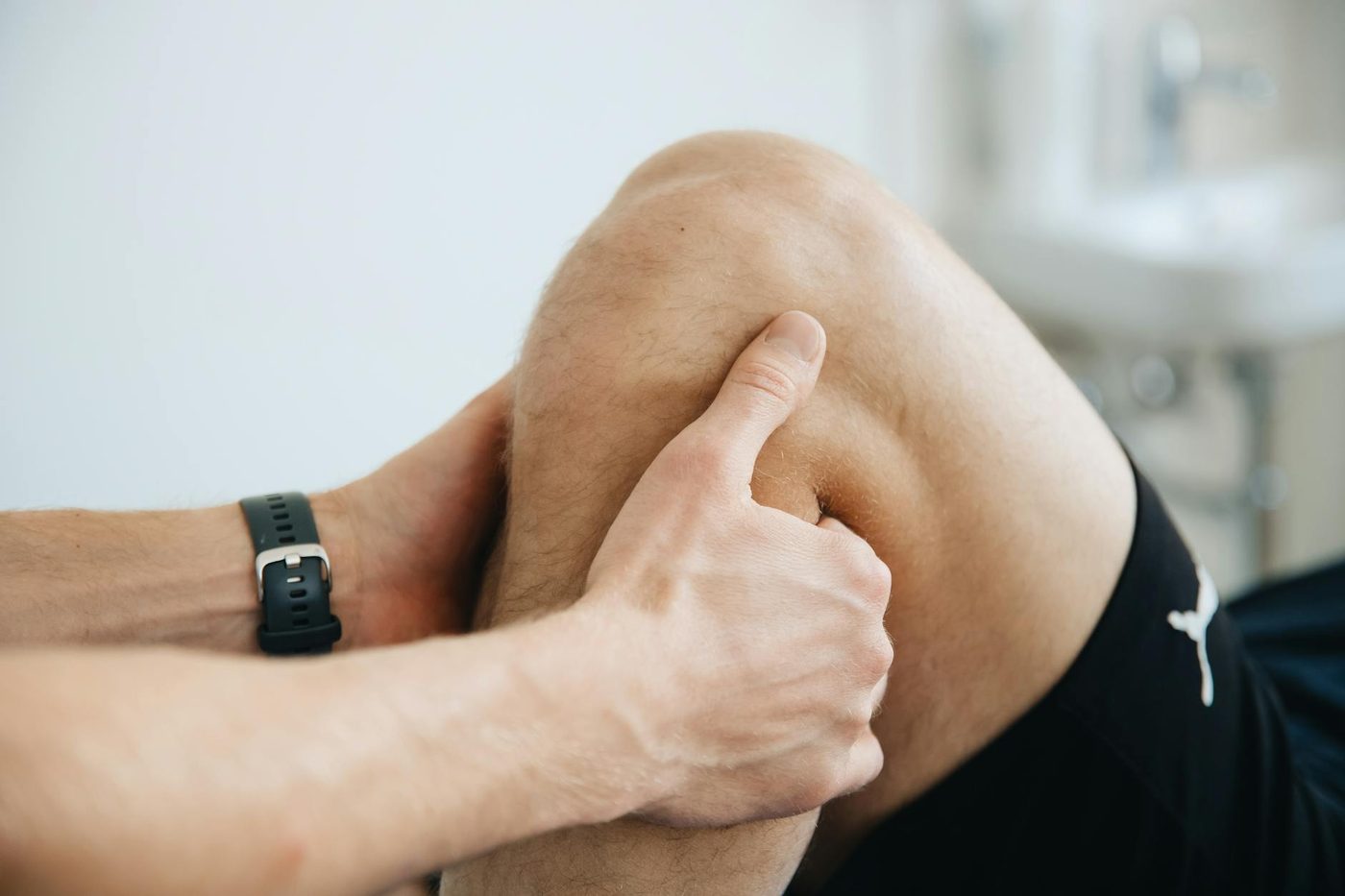
Placement is the first rule. The GenuPoint should sit below the kneecap over the tendon area, not directly on top of the kneecap. It should feel like even pressure, not a sharp band cutting into the skin.
Use case is the second rule. A strap often makes sense for stairs, gym work, running, court sports, or jobs with repeat squatting. It is less useful for diffuse swelling, side-to-side instability, or pain that wraps around the whole knee.
Sizing is the third rule. Measure carefully and check the product page before ordering. If the strap slides down, it will not do its job. If it bites into the skin, you will stop wearing it. Both problems are usually fit or tension issues.
- For specific pain below the kneecap, start with GenuPoint or another patellar tendon bandage.
- For kneecap tracking symptoms, compare a sleeve such as GenuTrain P3.
- For general knee support, compare a full GenuTrain sleeve.
- For instability, look beyond straps and consider a more supportive knee brace category.
Wear the strap for the activity that causes symptoms, then reassess. Many people do not need it all day. They need it for the block of movement that loads the tendon.
Top picks in Canada
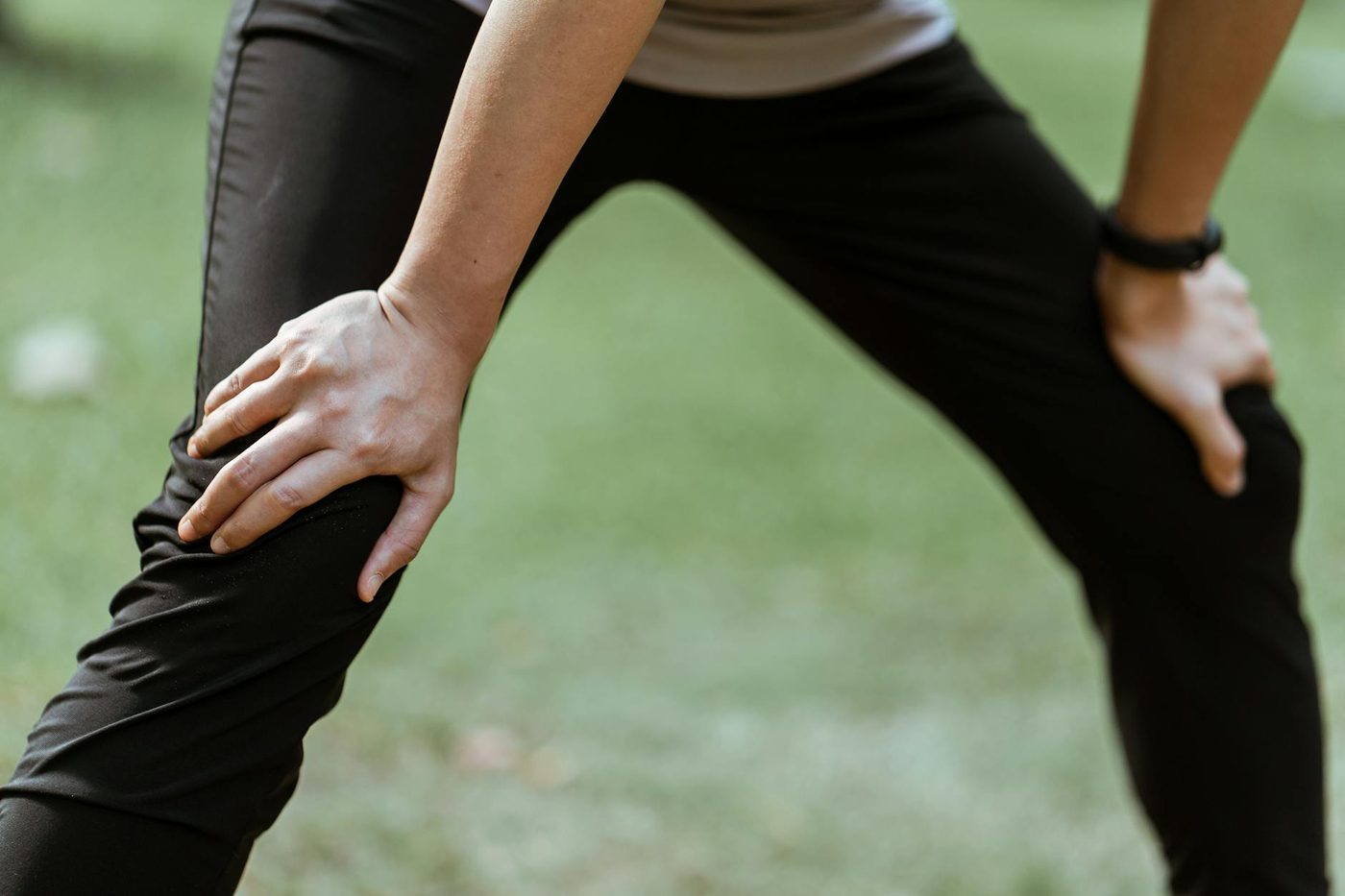
Medibrace Canada carries these options online with Free shipping across Canada. Use the product pages for sizing, colour, and availability before ordering.
1) Bauerfeind GenuPoint Knee Strap

Works best for focused patellar tendon support below the kneecap. It is compact, easy to wear, and a good match when a full sleeve feels excessive. Skip it if your pain is diffuse or the knee feels unstable.
2) Sporlastic Kasseler Patellar Tendon Bandage

Works best when you want a patellar tendon bandage alternative with a different fit feel. It can suit shoppers who want targeted support but prefer another pressure style. Check sizing before ordering.
3) Bauerfeind GenuTrain P3 Knee Brace

Works best when front knee pain includes kneecap tracking concerns or broader support needs. It is a fuller brace than GenuPoint, so it gives more coverage but also more warmth.
4) Bauerfeind GenuTrain Knee Brace

Works best for general compression, swelling control, and everyday knee support. It is less targeted than GenuPoint but more useful when symptoms are not limited to the patellar tendon.
Shop the related Medibrace collection
If you are split between a strap and a sleeve, ask one question: is the pain pinpointed below the kneecap during loading, or does the whole knee need help? That answer usually narrows the choice quickly.
The GenuPoint is a good example of a product where smaller design should not be mistaken for weaker support. It has a focused job and leaves most of the knee free. That can be perfect for running, stairs, gym sets, and work tasks where a full sleeve feels hot or restrictive. It is less useful when the knee is swollen, unstable, or sore in several places.
The most common fitting mistake is wearing a patella strap like a decorative band. It needs to sit where it can apply pressure to the tendon area below the kneecap. Put it on, walk a few steps, do a small version of the movement that triggers symptoms, then adjust. If the pressure feels sharp or the strap rolls, stop and reset.
Some shoppers should skip straight to a sleeve. If pain sits around the kneecap rather than below it, or if the knee feels better with warmth and compression, the GenuTrain P3 or GenuTrain may be a better fit. If the knee feels unstable, a strap is not enough. Choose the brace style that matches the problem instead of buying the smallest option by default.
Before ordering, check the product page photos, size chart, and product notes together. One detail by itself can mislead you. A brace may look similar to another option but fit narrower, cover more skin, use a different strap system, or suit a different activity level. If you are between two choices, pick the one that matches the task you need help with most often. For Medibrace Canada shoppers, that usually means choosing based on daily use first, sport use second, and appearance last. Comfort, fit, and repeat use matter more than the largest-looking brace overall.
Also think about replacement timing. Braces stretch, pads compress, and straps wear out. If an old support used to help but now slides, twists, or needs constant tightening, the problem may be wear rather than the brace category. A fresh, correctly sized support often performs better than an older premium product that has lost shape. Keep receipts, take measurements before reordering, and do not assume your size stayed the same after swelling, weight change, or a new injury. If the brace is for work or sport, test it during a gentle version of that task before relying on it for a full day. This catches slipping, pressure points, and sizing mistakes while they are still easy to fix before symptoms flare again later during real daily use at home too. Keep the packaging until you are sure the fit is right, and take a photo of the size tag or product name for future reorders. That small habit makes replacement easier if the same support works well over the next few months. If the first try feels close but not perfect, compare strap tension and placement before assuming the product is wrong. Many focused supports need two or three adjustments before they feel natural during movement and stairs outside safely again.
FAQ
Where can I buy the Bauerfeind GenuPoint Knee Strap in Canada?
Medibrace Canada carries the Bauerfeind GenuPoint Knee Strap online, along with related patella straps and knee sleeves for Canadian shoppers.
What is the GenuPoint used for?
It is used as a targeted patellar tendon strap below the kneecap. It can help provide focused support during activities that load the front of the knee.
Is GenuPoint better than a knee sleeve?
It depends on the symptom. GenuPoint is more focused and cooler. A knee sleeve gives broader compression and may be better for swelling, general ache, or kneecap guidance.
How tight should a patella strap be?
It should feel secure but not painful. If you feel numbness, tingling, sharp pressure, or skin irritation, loosen it or stop using it.
Is there research on patellar tendon pain?
Yes. Patellar tendinopathy and loading strategies are discussed in sports medicine literature. One PubMed-indexed review is https://pubmed.ncbi.nlm.nih.gov/26390269/. Brace choice should still match your symptoms and clinical advice.