
Reviewed by Dr. Thanu Jey. This article is for informational purposes only and does not constitute medical advice. Always consult a qualified healthcare provider before selecting a brace for your condition.
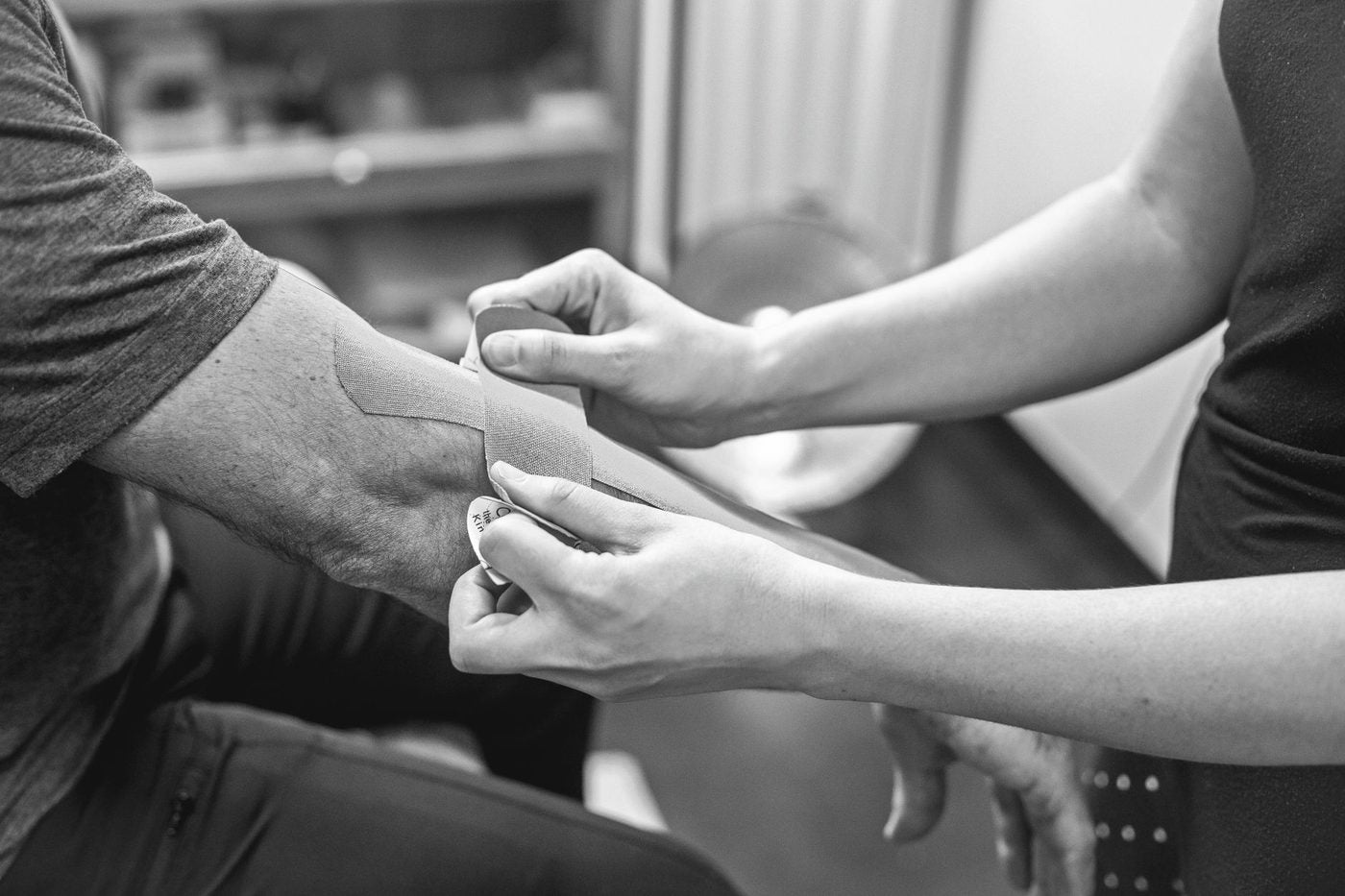
A Push elbow brace is usually bought for one of two reasons: the elbow feels sore during gripping, or the joint needs a steadier feel during activity. Those are different problems. A small strap can help with tendon-load irritation around the forearm. A sleeve-style brace gives broader compression around the joint.
The right choice depends on where the symptoms sit. Pain on the outside of the elbow during lifting, typing, racquet sports, or tool work often leads shoppers toward tennis elbow straps. More general elbow ache, swelling, or post-activity soreness may feel better in a sleeve.
This guide compares Push options with other elbow supports available from Medibrace Canada, with practical notes on fit, use cases, and when to choose a different style.
Types of push elbow braces and elbow supports
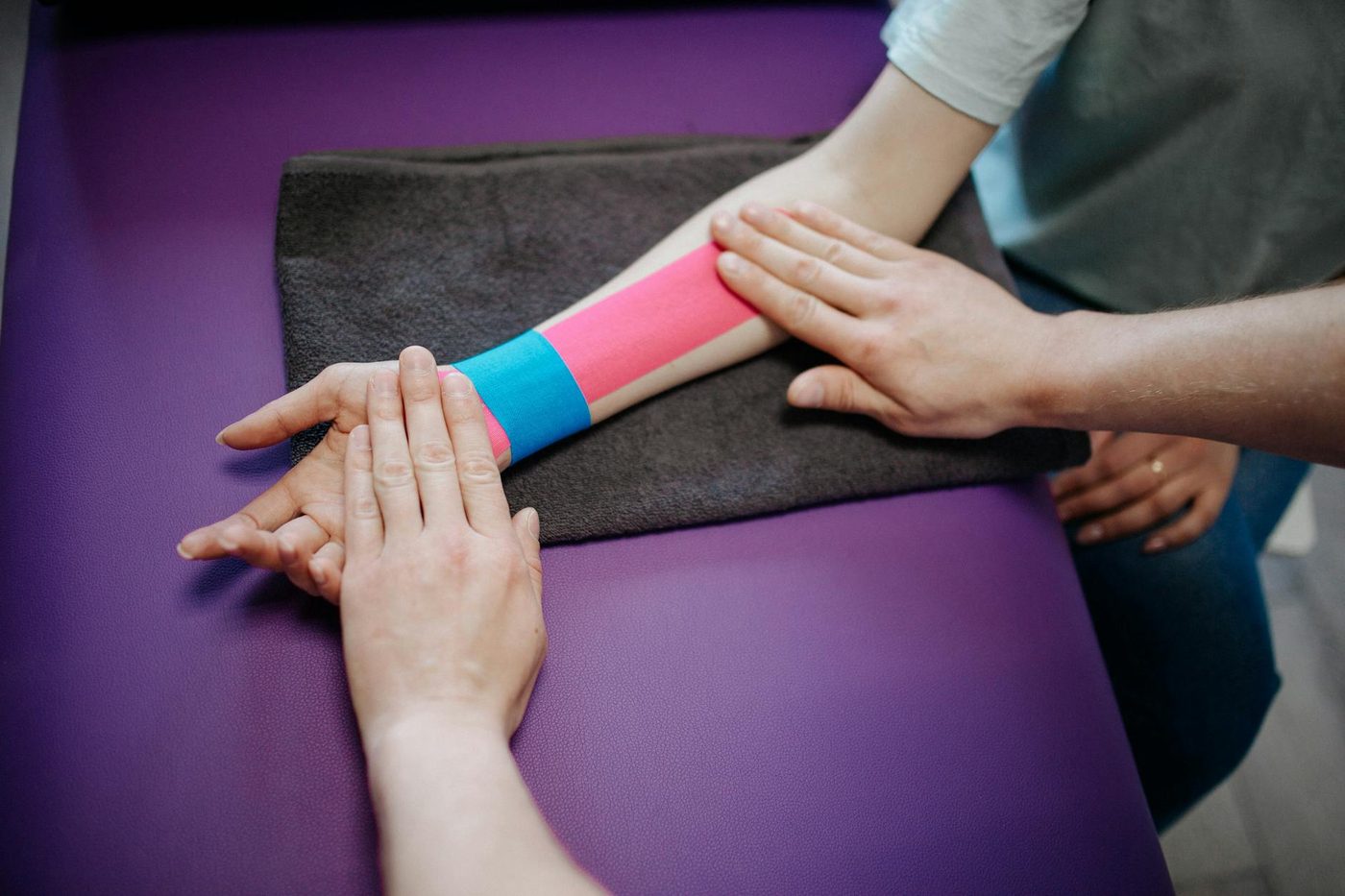
Elbow straps are compact. They sit below the painful area and apply targeted pressure to the forearm muscle group. That makes them popular for tennis elbow and gripping tasks. They are easy to wear with work clothes, but placement has to be right. Too high, too low, or too tight can make them useless or irritating.
Elbow sleeves spread compression across a larger area. They are better when the elbow feels generally sore, warm, or puffy, or when a strap feels too aggressive. Sleeves are also easier for people who do not want to keep adjusting a small pressure pad during the day.
More structured elbow braces and range-of-motion braces are for different situations, often after injury or surgery when motion control matters. Do not swap a simple Push elbow brace for a post-op brace unless your provider told you to use that type.
- Pick a forearm strap for gripping pain linked to tennis elbow patterns.
- Pick a sleeve for broader elbow ache or mild swelling.
- Pick a more structured brace only when motion control is the goal.
- Avoid over-tightening. Numb fingers mean the brace is too tight or in the wrong spot.
Lateral elbow pain has been widely studied in rehab and loading contexts. For background on lateral elbow tendinopathy, see this PubMed-indexed review: https://pubmed.ncbi.nlm.nih.gov/29982868/. A brace can be part of symptom management, but exercise planning and workload changes often matter too.
How to choose

First, decide if you need targeted pressure or broad support. A strap is small and focused. It works best for repeat gripping tasks where pain starts in the forearm tendon area. A sleeve is less targeted but often more comfortable for longer wear.
Second, think about the job you need it to do. For keyboard work, a low-profile strap may be enough. For lifting boxes, using tools, or playing racquet sports, strap position and tension become more important. For all-day soreness, a sleeve may feel calmer because it does not create one pressure point.
Third, match the brace to your tolerance. Some people love the precise feel of the Push Med Elbow EPI. Others prefer the simpler Push Sports brace because it is quick to put on and easy to adjust. Neither is automatically better. The better one is the brace you will wear correctly.
- For tennis elbow type gripping pain, start with a strap-style brace.
- For general elbow soreness, start with a compression sleeve.
- For sport use, check that the brace does not slide with sweat and motion.
- For work use, check that it does not block sleeves, gloves, or tools.
A good fit should feel noticeable, not painful. Put the brace on during the task that usually triggers symptoms and adjust in small steps. If symptoms move into the hand, loosen it right away.
Top picks in Canada

Medibrace Canada carries these options online with Free shipping across Canada. Use the product pages for sizing, colour, and availability before ordering.
1) Push Med Elbow

Works best for shoppers who want a supportive Push elbow brace with a secure, more substantial feel. It suits activity and work tasks where the elbow needs feedback without using a full rigid brace. Skip it if you only need a tiny tennis elbow strap.
2) Push Med Elbow EPI

Works best for targeted tennis elbow or golfer’s elbow pressure. It is the more specific option when gripping pain is the issue. Placement matters, so do not rush the first fitting.
3) Push Sports Tennis Elbow Brace

Works best for sport and active use when you want simple compression around the forearm tendon area. It is easier to manage than many bulky supports. The tradeoff is less broad elbow coverage than a sleeve.
4) Bauerfeind EpiTrain Elbow Brace

Works best when you want full elbow compression instead of a small strap. It is a strong alternative when the joint feels generally sore or puffy. It may be warmer than a compact forearm band.
Shop the related Medibrace collection
If you are buying for tennis elbow, do not judge the brace while sitting still. Test it during a light version of the task that normally bothers you. That is where strap position, pressure, and comfort become obvious.
Small changes in elbow brace fit can make a big difference. A strap that feels useless may simply be sitting in the wrong place. Start with light pressure, then add tension one step at a time. You are looking for less irritation during gripping, not a squeezed feeling in the forearm. If the brace leaves deep marks or changes hand sensation, it is too tight.
Work setting matters. A mechanic, tennis player, office worker, and parent lifting a toddler may all search for the same product, but their use pattern is different. For short, intense tasks, a targeted strap can be ideal. For long desk days with low-grade ache, a sleeve may be easier. For repeated lifting, some people keep both: a strap for load and a sleeve for recovery time.
Do not ignore workload. Braces are most useful when paired with smarter pacing. If every lift, swing, or typing block keeps provoking the same pain, the brace may reduce symptoms without fixing the reason they keep returning. Use it to make necessary activity more tolerable while you adjust volume, technique, and recovery time.
Before ordering, check the product page photos, size chart, and product notes together. One detail by itself can mislead you. A brace may look similar to another option but fit narrower, cover more skin, use a different strap system, or suit a different activity level. If you are between two choices, pick the one that matches the task you need help with most often. For Medibrace Canada shoppers, that usually means choosing based on daily use first, sport use second, and appearance last. Comfort, fit, and repeat use matter more than the largest-looking brace overall.
Also think about replacement timing. Braces stretch, pads compress, and straps wear out. If an old support used to help but now slides, twists, or needs constant tightening, the problem may be wear rather than the brace category. A fresh, correctly sized support often performs better than an older premium product that has lost shape. Keep receipts, take measurements before reordering, and do not assume your size stayed the same after swelling, weight change, or a new injury. If the brace is for work or sport, test it during a gentle version of that task before relying on it for a full day. This catches slipping, pressure points, and sizing mistakes while they are still easy to fix before symptoms flare again later during real daily use at home too. Keep the packaging until you are sure the fit is right, and take a photo of the size tag or product name for future reorders. That small habit makes replacement easier if the same support works well over the next few months. If the first try feels close but not perfect, compare strap tension and placement before assuming the product is wrong. Many focused supports need two or three adjustments before they feel natural during movement and stairs outside safely again.
FAQ
Where can I buy a Push elbow brace in Canada?
You can buy Push elbow brace options from Medibrace Canada online, including Push Med Elbow, Push Med Elbow EPI, and Push Sports elbow support styles.
Is a Push elbow brace for tennis elbow?
Some Push elbow braces are suited to tennis elbow patterns, especially strap-style designs that apply pressure to the forearm tendon area. Match the product to the location of your symptoms.
Should the brace sit on the painful spot?
Usually no. Tennis elbow straps often sit just below the painful area on the forearm muscle group. Follow the product fitting instructions and avoid excessive pressure.
Can I wear an elbow strap all day?
You can wear it during tasks if it is comfortable, but remove it for skin checks and rest. Numbness, tingling, or hand colour change means it needs to come off.
Is there research about lateral elbow pain?
Yes. Lateral elbow tendinopathy is well described in sports medicine literature. One PubMed-indexed review is https://pubmed.ncbi.nlm.nih.gov/29982868/. A brace is only one part of management.