
Reviewed by Dr. Thanu Jey. This article is for informational purposes only and does not constitute medical advice. Always consult a qualified healthcare provider before selecting a brace for your condition.
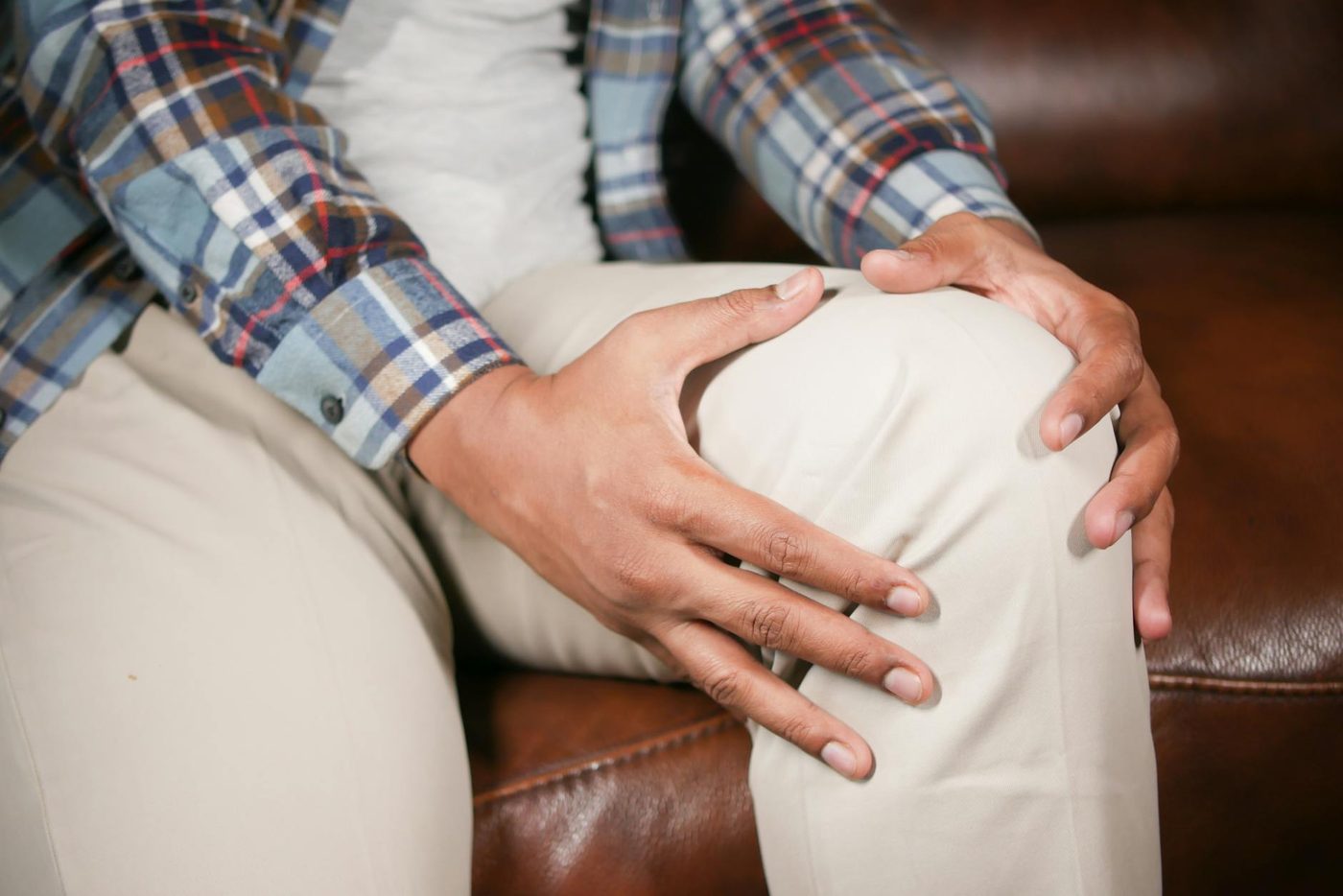
A meniscus tear usually turns the brace question into something very practical. You want to walk, work, climb stairs, or get through errands without feeling like the knee might catch or give way. A brace cannot repair torn cartilage. It can still make the day easier by adding compression, warmth, and a steadier feel while you follow the plan from your healthcare provider.
The best choice depends on your main symptom. Some people need a simple sleeve for swelling and ache. Others need more side support because the knee feels unreliable on stairs or uneven sidewalks. A few people need short-term immobilization after a more serious injury or procedure, but that is a different job than everyday meniscus support.
This guide is written for Canadian shoppers comparing realistic brace options, not for diagnosing a knee injury. If the knee locks, your range of motion is suddenly limited, or weight bearing is not possible, get assessed instead of trying to solve it with a brace order.
Types of knee braces for meniscus tears
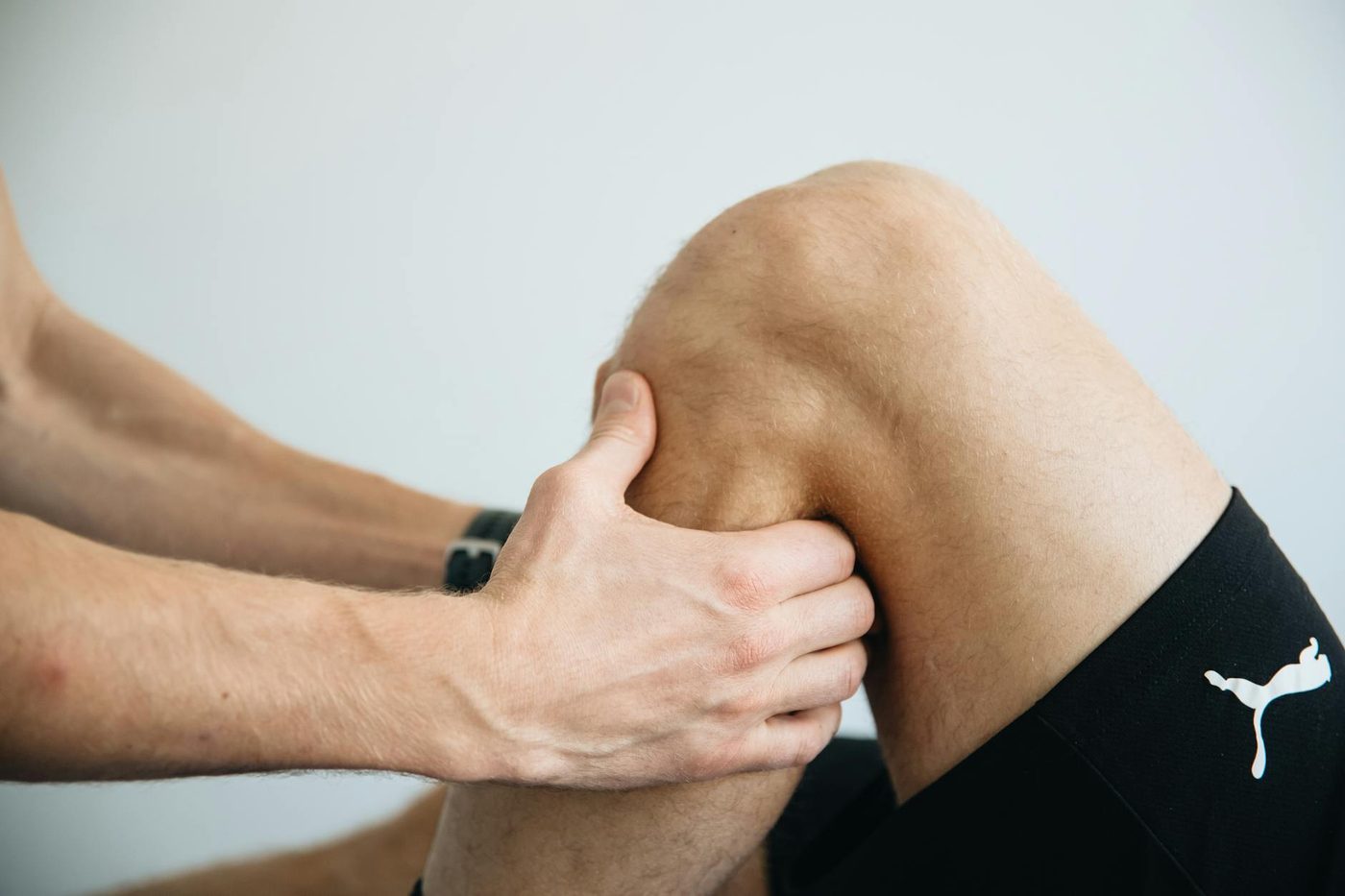
There is no one brace category called “meniscus brace.” Most useful options fall into a few practical buckets. Compression sleeves are the easiest to wear all day and often make sense when the knee is puffy, warm, or achy after activity. They are not meant to stop a strong twisting force, but they can help you move with less guarding.
Sleeves with shaped pads or added knit zones feel more guided around the kneecap and joint line. They suit people who want more feedback from the brace without moving into a rigid frame. Hinged or side-stabilized braces give a firmer feel when the knee drifts side to side or feels uncertain during longer walks.
Unloader braces are a separate category. They are normally used when pain is linked to one knee compartment, often with arthritis patterns. Some meniscus symptoms overlap with compartment loading, and valgus bracing has been studied for medial compartment load reduction. See https://pubmed.ncbi.nlm.nih.gov/27146819/ for one PubMed-indexed example.
- Choose compression when swelling and ache are the main issues.
- Choose added stabilization when the knee feels wobbly or unreliable.
- Choose a more targeted meniscus support when joint-line discomfort is the clearest pattern.
- Do not use a brace to push through locking, sharp pivot pain, or major swelling.
Bigger is not always better. A bulky brace that sits in a drawer has no value. Start with the lightest option that makes you walk more normally, then step up only if the knee still feels unsafe.
How to choose
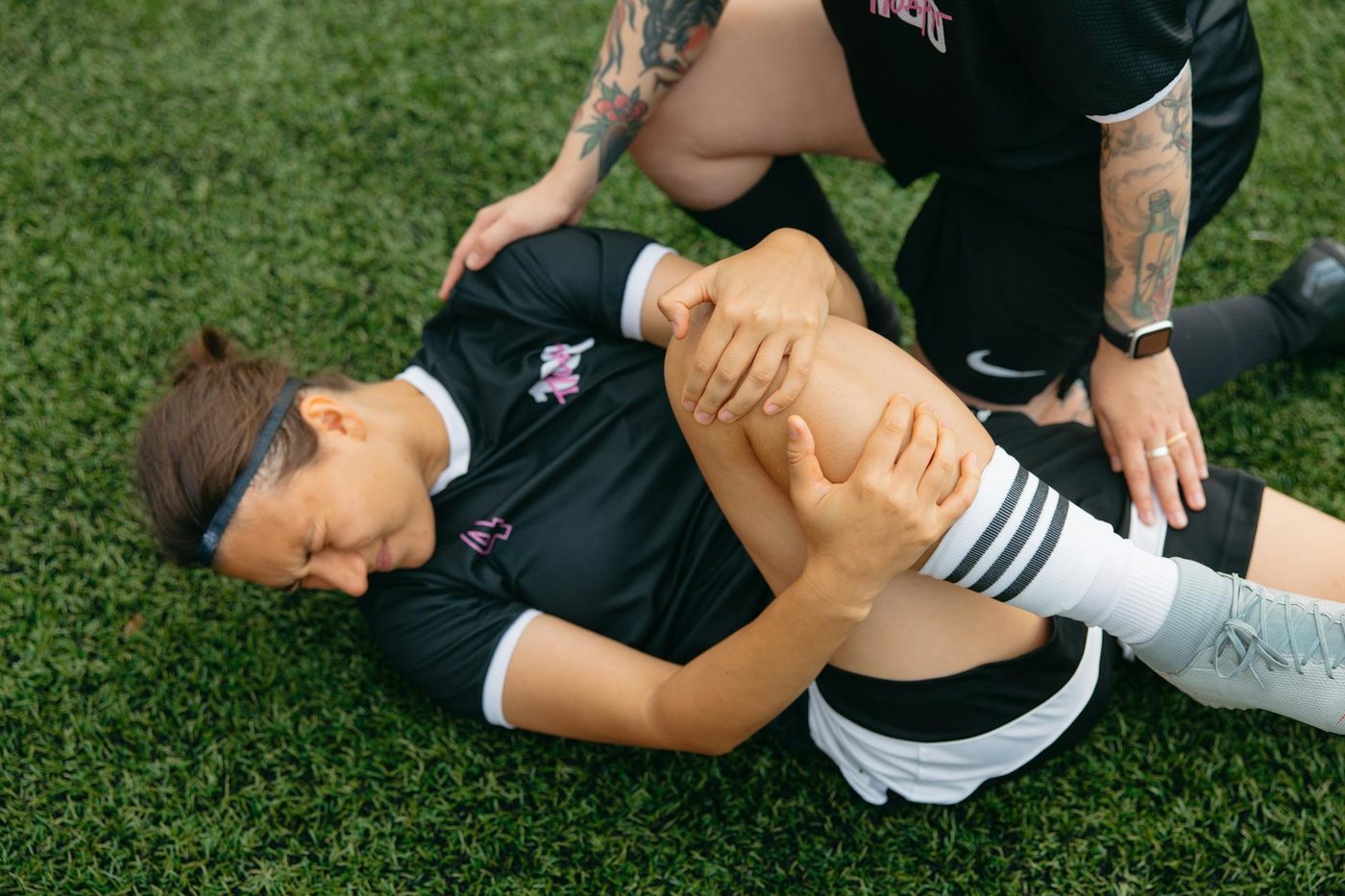
Start with your symptom pattern. If swelling is your main complaint and the knee does not buckle, a high-quality knit sleeve is usually the most sensible first purchase. If the knee shifts, gives way, or feels risky on stairs, look for stronger side support and a more structured fit.
Fit matters more than brand prestige. Measure when the leg is calm, not right after a long walk when swelling is at its worst. If you are between sizes, read the product notes carefully. Some knit braces feel better snug. Others become irritating if they are forced too tight.
Think about clothing and heat. A brace used at work needs to fit under pants and tolerate hours of wear. A brace used for sport can be firmer because you only wear it during activity. Skin checks matter too. Redness that does not fade, numbness, or pinching means the fit is wrong.
- For office days or errands, pick a sleeve you can wear for several hours.
- For hiking, stairs, or long standing, consider more side support.
- For kneecap tracking plus meniscus irritation, consider a brace with patella guidance.
- For post-injury instructions, follow the brace type your provider recommended.
A simple schedule works well for many people: wear the brace during higher-risk blocks, take it off for rest and skin checks, and avoid sleeping in it unless you were told otherwise. If pain rises while wearing it, stop and reassess.
Top picks in Canada
Medibrace Canada carries these options online with Free shipping across Canada. Use the product pages for sizing, colour, and availability before ordering.
1) Bauerfeind GenuTrain Knee Brace

Works best for everyday meniscus soreness with mild swelling when you want a sleeve you can actually wear. It gives compression and a guided feel without turning the knee into a rigid joint. Skip it if your main issue is repeated buckling.
2) Bauerfeind GenuTrain S Pro Knee Brace

Works best when you want more control for stairs, longer walks, or uneven ground. It is a stronger step-up from a sleeve while staying less bulky than many framed braces. The tradeoff is more structure under clothing.
3) Bauerfeind GenuTrain A3 Knee Brace

Works best when meniscus irritation overlaps with kneecap discomfort. The design gives added guidance around the patella, which can be useful when pain is not only at the joint line. It may feel warmer than a basic sleeve.
4) Sporlastic MENISCUS Knee Support

Works best when the buyer wants a support built around meniscus-type joint-line complaints. It is more specific than a general knee sleeve, so sizing and placement matter. Take the measuring step seriously.
Shop the related Medibrace collection
If you are unsure between two sizes or two support levels, choose based on the worst part of your normal day, not the best ten minutes after rest. A brace should make your regular movement feel safer. It should not make you limp differently.
A few buying details are easy to miss. First, check the measurement location on the product page instead of guessing from pants size. Knee braces are built from thigh, calf, or knee-centre measurements, and each brand can use a different rule. Second, think about swelling changes through the day. If your knee expands after work or activity, a brace that feels perfect in the morning may feel too tight by evening. Third, compare the return rules before ordering if you are between sizes.
Meniscus symptoms also change with the task. Walking straight on flat ground may feel fine while getting out of a low car seat feels awful. That does not mean the brace failed. It means pivoting and loaded bending are harder on the knee than simple walking. Use the brace for the activities where it helps, and reduce the movements that reliably flare symptoms while you arrange care or rehab.
For most shoppers, the best result is not zero sensation. It is a knee that feels calm enough to move normally. If the brace lets you walk with a smoother stride, take stairs with less guarding, or finish a shift with less irritation, that is a useful outcome. If it encourages you to overdo activity and pain spikes later, pull back. Support should help pacing, not replace judgement.
Before ordering, check the product page photos, size chart, and product notes together. One detail by itself can mislead you. A brace may look similar to another option but fit narrower, cover more skin, use a different strap system, or suit a different activity level. If you are between two choices, pick the one that matches the task you need help with most often. For Medibrace Canada shoppers, that usually means choosing based on daily use first, sport use second, and appearance last. Comfort, fit, and repeat use matter more than the largest-looking brace overall.
Also think about replacement timing. Braces stretch, pads compress, and straps wear out. If an old support used to help but now slides, twists, or needs constant tightening, the problem may be wear rather than the brace category. A fresh, correctly sized support often performs better than an older premium product that has lost shape. Keep receipts, take measurements before reordering, and do not assume your size stayed the same after swelling, weight change, or a new injury. If the brace is for work or sport, test it during a gentle version of that task before relying on it for a full day. This catches slipping, pressure points, and sizing mistakes while they are still easy to fix before symptoms flare again later during real daily use at home too. Keep the packaging until you are sure the fit is right, and take a photo of the size tag or product name for future reorders. That small habit makes replacement easier if the same support works well over the next few months. If the first try feels close but not perfect, compare strap tension and placement before assuming the product is wrong. Many focused supports need two or three adjustments before they feel natural during movement and stairs outside safely again.
FAQ
What is the best knee brace for meniscus tear in Canada?
For mild swelling and day-to-day ache, many Canadian shoppers start with a quality compression sleeve such as the Bauerfeind GenuTrain. If the knee gives way, a more supportive brace such as the GenuTrain S Pro may be a better match.
Can a brace heal a meniscus tear?
No. A brace can support movement and reduce irritation during activity, but it does not heal torn cartilage. Use it alongside the plan from your healthcare provider.
Should I choose a sleeve or hinged brace?
Choose a sleeve for swelling, warmth, and mild support. Choose a more structured brace when the knee feels unstable or risky on stairs. If symptoms are severe, get assessed.
Can I wear a meniscus brace all day?
Often yes, if the fit is right and your skin tolerates it. Remove it for skin checks and rest. Do not ignore numbness, pressure marks, or increasing pain.
Is there research on knee bracing and load reduction?
Yes, bracing has been studied for knee compartment load in certain patterns. One PubMed-indexed example is https://pubmed.ncbi.nlm.nih.gov/27146819/. Your own brace choice still depends on symptoms, diagnosis, and fit.