
Best Brace for Upper Back Pain Canada
Best Brace for Upper Back Pain Canada: Posture Cueing vs Back or Shoulder Support
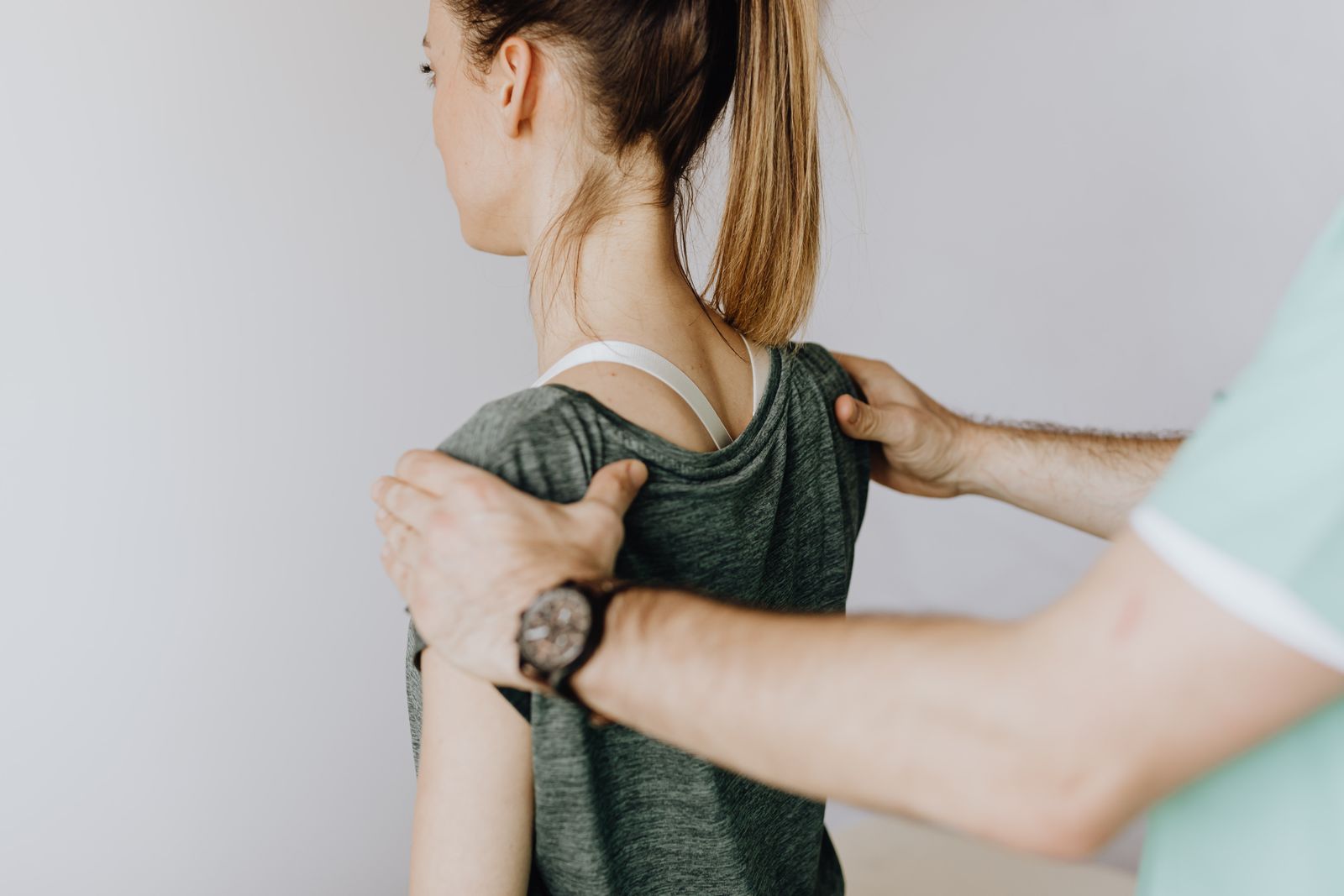
Direct answer: The best brace for the upper back depends on the goal: posture correctors gently pull the shoulders back for alignment, clavicle braces support the collarbone area, and fuller thoracic supports cover more of the upper spine. Choose by coverage and comfort, and see a clinician for new or worsening pain.
This page is different from a general back-brace page because the decision is not lumbar support first. Upper-back buyers need to decide whether support should cue both shoulders back, provide firmer figure-8 feedback, or route away to a shoulder or lower-back brace. A brace should remind posture, not force the spine into position.
Quick selector: upper-back posture cueing vs other brace routes
| Scenario | Support type | Best Medibrace route | Why this matters |
|---|---|---|---|
| Upper-back discomfort feels linked to rounded shoulders, desk work, or slouching | Bilateral posture support | Orliman Breathable Shoulder Posture Supporter | Matches the upper-back posture-cueing intent without using a bulky lumbar brace. |
| You want firmer strap feedback to bring both shoulders gently back | Figure-8 clavicle/posture brace | M-Brace Clavicle Brace | Better when the shopper wants structured shoulder-retraction feedback. |
| You want a simple clavicle-style bilateral route | Clavicle support | BREG Clavicle Support | Useful for a straightforward figure-8 support option. |
| Pain or support need is mainly low back, not upper back | Lumbar/back brace | Best lower back brace Canada | A posture strap will not provide the same lumbar compression or abdominal support. |
| One shoulder is painful, unstable, or recovering from injury | Single-shoulder brace or sling route | Best shoulder brace Canada | Upper-back posture support is too broad when one shoulder needs targeted support. |
Best upper-back brace options at Medibrace
Orliman Breathable Shoulder Posture Supporter

- Role: Best first route for desk-related upper-back posture cueing
- Support type: Bilateral posture support
- Price: $71.45
- Best for this upper-back decision: upper-back discomfort linked to rounded shoulders, laptop posture, or long seated days where gentle shoulder-back cueing is the goal
- Tradeoff: not a rigid thoracic brace and not the right route for new trauma or severe spine symptoms
Shop Orliman Breathable Shoulder Posture Supporter
M-Brace Clavicle Brace

- Role: Best firmer figure-8 cue for shoulder rounding
- Support type: Figure-8 clavicle/posture brace
- Price: $110.55
- Best for this upper-back decision: shoppers who want more structured strap feedback to remind both shoulders to sit back
- Tradeoff: can create focused underarm/clavicle pressure if overtightened, so comfort matters
BREG Clavicle Support

- Role: Best simple clavicle-style posture option
- Support type: Clavicle support
- Price: $63.23
- Best for this upper-back decision: a straightforward bilateral support route when the search is really for shoulder retraction cueing rather than lumbar support
- Tradeoff: less adjustable and less soft than some posture-corrector styles
Orliman Strong Shoulder Support

- Role: Best soft shoulder-area alternative
- Support type: Elastic shoulder support
- Price: $59.99
- Best for this upper-back decision: upper-back shoppers comparing posture cueing with a softer shoulder support feel
- Tradeoff: less precise than a figure-8 brace for firm posture feedback
Shop Orliman Strong Shoulder Support
How to choose for upper-back discomfort
For upper-back posture scenarios, choose the lightest support that gives a useful reminder. A posture supporter fits shoppers who slump during screen time or want both shoulders gently cued. A figure-8 clavicle brace gives firmer strap feedback. A lower-back brace is better if the real issue is lumbar support, lifting, or abdominal compression.
Do not use upper-back posture support to mask sharp pain, radiating symptoms, or a new injury. If your issue is one shoulder, compare shoulder brace options. If your issue is the lumbar area, compare lower back braces. For broader posture-shopping decisions, start with best posture corrector Canada.
When this page is not the right route
This page is not for chest pain, shortness of breath, recent trauma, severe spine pain, unexplained symptoms, fever, numbness, weakness, arm symptoms, or a clinician-prescribed brace. It is also not the best route if you need a neck brace, shoulder immobilizer, SI belt, or lower-back brace rather than upper-back posture cueing.
Fit, use, and safety checks
- Set posture straps lightly enough that you can breathe and move normally.
- Check underarm and clavicle pressure after the first 10–15 minutes.
- Use short wear periods at first; all-day pulling is not automatically better.
- If pain is mainly low back, route to lumbar support rather than a posture strap.
- Stop and get assessed for worsening pain, numbness, tingling, swelling, colour change, weakness, or symptoms that feel unusual.
Health and safety note: This Medibrace shopping guide does not diagnose upper-back pain or replace advice from a licensed clinician. For recent injury, severe symptoms, surgery, neurological symptoms, or return-to-activity decisions, get professional guidance before choosing a brace.
Related Medibrace routes
- Shop posture support
- Shop back and neck braces
- Best posture corrector Canada
- Best back brace Canada
- Best lower back brace Canada
- Best shoulder brace Canada
FAQs
What brace is best for upper back pain?
For many upper-back shopping scenarios, the best brace is a posture support that gently cues the shoulders and upper back rather than a heavy lumbar brace. If symptoms are severe, recent, spreading, or linked to injury, get assessed before choosing support.
Is an upper back brace the same as a lower back brace?
No. Upper-back brace searches usually involve shoulder rounding, thoracic posture, or clavicle-style cueing. Lower-back braces focus on the lumbar area and are a better route for low-back support needs.
When is this page not the right route?
This page is not the right route for chest pain, shortness of breath, new trauma, severe spine pain, numbness, weakness, fever, unexplained symptoms, or a clinician-prescribed brace. It is also not the right route if the main issue is one injured shoulder or low-back support.
Can I wear an upper back posture support all day?
Start with short wear periods and light tension. The goal is a reminder to reset posture, not forcing the shoulders back all day. Stop if straps cause numbness, tingling, skin irritation, or worsening pain.
Should I choose posture support or a shoulder brace?
Choose posture support when both shoulders and the upper back need cueing. Choose a shoulder brace when one shoulder needs targeted support, compression, or stabilizing guidance.