
Best Double Shoulder Brace Canada
Best Double Shoulder Brace Canada: Bilateral Posture Cueing vs Shoulder Support
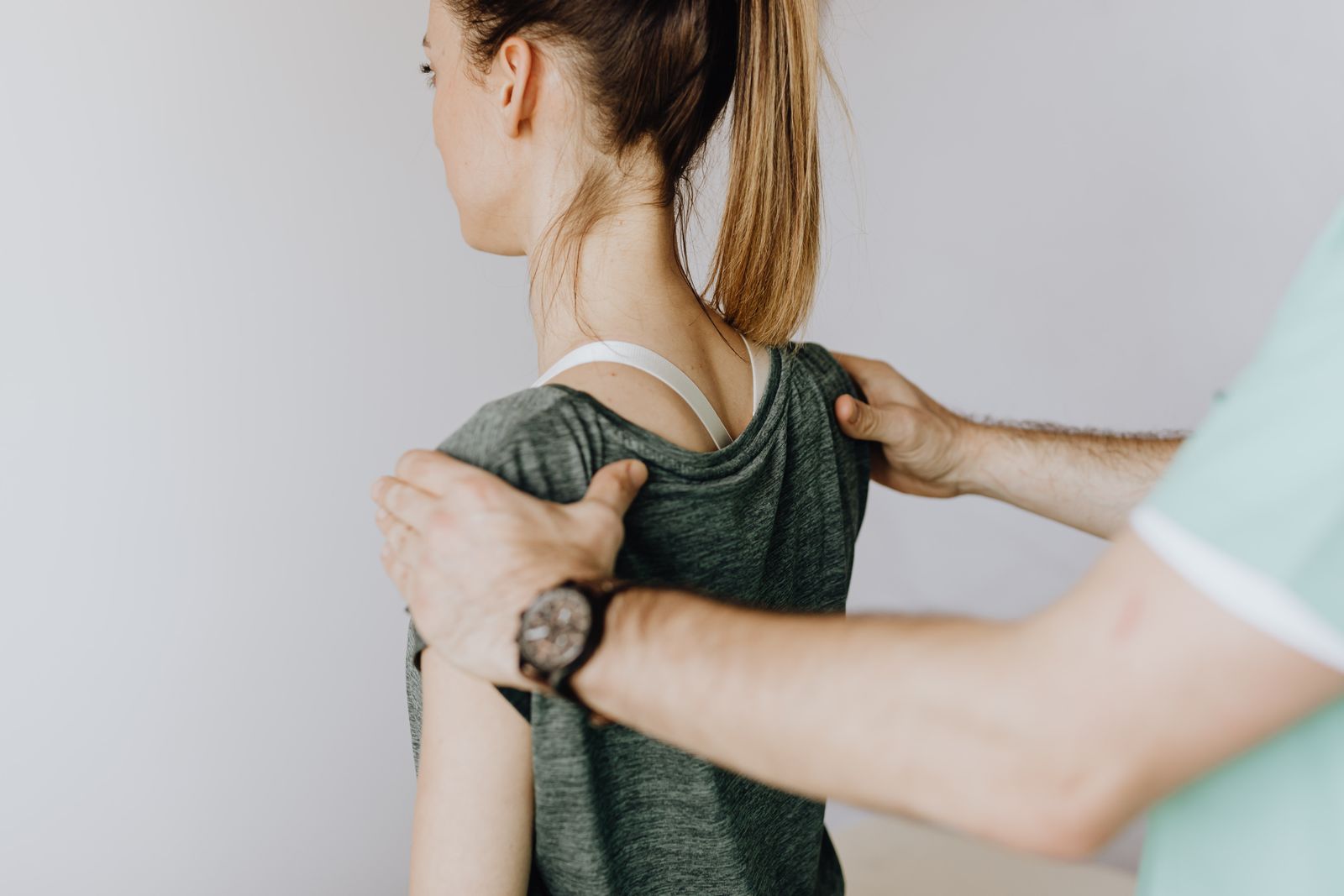
Direct answer: The best double shoulder brace in Canada is usually a bilateral posture supporter or figure-8 clavicle-style brace when both shoulders round forward and you want gentle cueing. If one shoulder needs compression, instability support, post-injury control, or sling-style rest, choose a single-shoulder brace or immobilizer route instead.
This page is different from a general shoulder brace page because the decision starts with symmetry. A double-shoulder buyer is usually comparing posture cueing across both shoulders against one-sided shoulder support. The wrong choice is a bilateral posture strap when the real need is a single injured shoulder, sling, or clinician-directed stabilizer.
Quick selector: double shoulder brace vs single-shoulder support
| Scenario | Support type | Best Medibrace route | Why this matters |
|---|---|---|---|
| Both shoulders round forward during desk work or daily posture habits | Bilateral posture support | Orliman Breathable Shoulder Posture Supporter | Matches the true double-shoulder intent with gentle cueing on both sides. |
| You want a firmer figure-8 feel across both shoulders/clavicle area | Figure-8 clavicle support | M-Brace Clavicle Brace | Better when structured strap feedback matters more than soft posture cueing. |
| You want a simple clavicle-style bilateral route | Clavicle support | BREG Clavicle Support | Useful for a straightforward figure-8 support option. |
| One shoulder is the problem and needs compression or guided support | Single-shoulder brace | Bauerfeind OmoTrain Shoulder Brace | A double brace is too broad when only one shoulder needs targeted support. |
| One shoulder needs more stabilizing control during activity | Single-shoulder stabilizer | Sporlastic OMO-HiT Shoulder Brace | Routes away from posture straps toward one-sided shoulder stability. |
Best double shoulder brace options at Medibrace
Orliman Breathable Shoulder Posture Supporter

- Role: Best true double-shoulder posture cue
- Support type: Bilateral posture support
- Price: $71.45
- Best for this double-shoulder decision: people searching “double shoulder brace” because both shoulders round forward and they want gentle upper-back cueing
- Tradeoff: not a stabilizer for one injured shoulder and not a replacement for strength or mobility work
Shop Orliman Breathable Shoulder Posture Supporter
M-Brace Clavicle Brace

- Role: Best firmer figure-8 clavicle route
- Support type: Figure-8 clavicle/posture brace
- Price: $110.55
- Best for this double-shoulder decision: bilateral shoulder retraction cueing when a more structured strap layout is preferred
- Tradeoff: can feel more focused around the clavicle/underarm area than a soft posture supporter
BREG Clavicle Support

- Role: Best simple clavicle support option
- Support type: Clavicle support
- Price: $63.23
- Best for this double-shoulder decision: shoppers who need a straightforward figure-8 style route rather than a compression shoulder sleeve
- Tradeoff: not designed as a sport shoulder stabilizer
Orliman Strong Shoulder Support

- Role: Best soft shoulder-posture alternative
- Support type: Elastic shoulder support
- Price: $59.99
- Best for this double-shoulder decision: shoppers comparing shoulder posture cueing with a softer support feel across the shoulder area
- Tradeoff: less precise than a true figure-8 clavicle brace for firm bilateral retraction
Shop Orliman Strong Shoulder Support
How to choose without overcorrecting
A double shoulder brace should cue posture, not crank the shoulders backward. Start with a light setting that reminds you to reset your upper back. If the straps need to be overtightened to feel effective, the issue may be strength, mobility, work setup, or a single-shoulder problem rather than a brace-selection problem.
Choose bilateral posture support for both-shoulder cueing. Choose a shoulder brace route when one shoulder needs support. Choose a shoulder immobilizer or sling route when the arm needs supported rest after injury or clinician advice. For broader upper-back posture options, compare posture correctors Canada.
When this page is not the right route
This page is not for a new traumatic shoulder injury, recent dislocation, fracture, surgery protocol, severe pain, numbness, arm weakness, or a prescribed immobilizer. It is also not the best route if you need a neck brace, back brace, or lumbar support rather than upper-back and shoulder cueing.
Fit, use, and safety checks
- Wear a double shoulder support snugly enough to cue posture, not tightly enough to restrict breathing or circulation.
- Check underarm and clavicle pressure after the first 10–15 minutes.
- Use short wear periods at first; longer wear is not automatically better for posture.
- If only one shoulder hurts or feels unstable, route to a single-shoulder brace rather than a bilateral posture strap.
- Stop and get assessed for worsening pain, numbness, tingling, swelling, colour change, or loss of shoulder motion.
Health and safety note: This Medibrace shopping guide does not diagnose or replace advice from a licensed clinician. For recent injury, surgery, worsening symptoms, or return-to-sport decisions, get professional guidance before choosing a brace.
Related Medibrace routes
- Shop shoulder braces
- Shop posture support
- Best posture corrector Canada
- Best shoulder brace Canada
- Best shoulder immobilizer Canada
- Best clavicle brace Canada
FAQs
What is the best double shoulder brace?
The best double shoulder brace is usually a bilateral posture supporter or figure-8 clavicle-style brace when the goal is to cue both shoulders back. If only one shoulder needs compression, instability support, or post-injury control, a single-shoulder brace is usually the better route.
Is a double shoulder brace the same as a shoulder stabilizer?
No. A double shoulder brace usually means bilateral posture cueing or clavicle-style support. A shoulder stabilizer is usually one-sided and chosen for shoulder control, activity support, or clinician-directed support around one shoulder.
When is this page not the right route?
This page is not the right route for a recent shoulder dislocation, surgery protocol, fracture, suspected nerve symptoms, severe pain, or any situation where a clinician prescribed a specific sling, immobilizer, or single-shoulder brace.
Can I wear a double shoulder brace under clothes?
Some low-profile posture supports may fit under loose layers, but figure-8 straps can show under fitted clothing and may rub if overtightened. Choose comfort and adjustability over maximum pull.
Should I choose a posture support or a sling?
Choose a posture support for bilateral shoulder-back cueing. Choose a sling or shoulder immobilizer only when your shoulder or arm needs supported rest, usually after injury or clinician advice.