
Best Shoulder Brace for Men Canada
Best Shoulder Brace for Men Canada: Choose by Chest Fit, Shoulder Control, and Daily Use
Direct answer: The best shoulder brace for men in Canada is the one that matches the support job and the male fit problem: chest circumference, upper-arm size, strap comfort, and whether you need active shoulder control or sling-style immobilization. Start with an active stabilizer for movement, a shoulder support for lighter daily use, and an immobilizer only when motion restriction is appropriate.
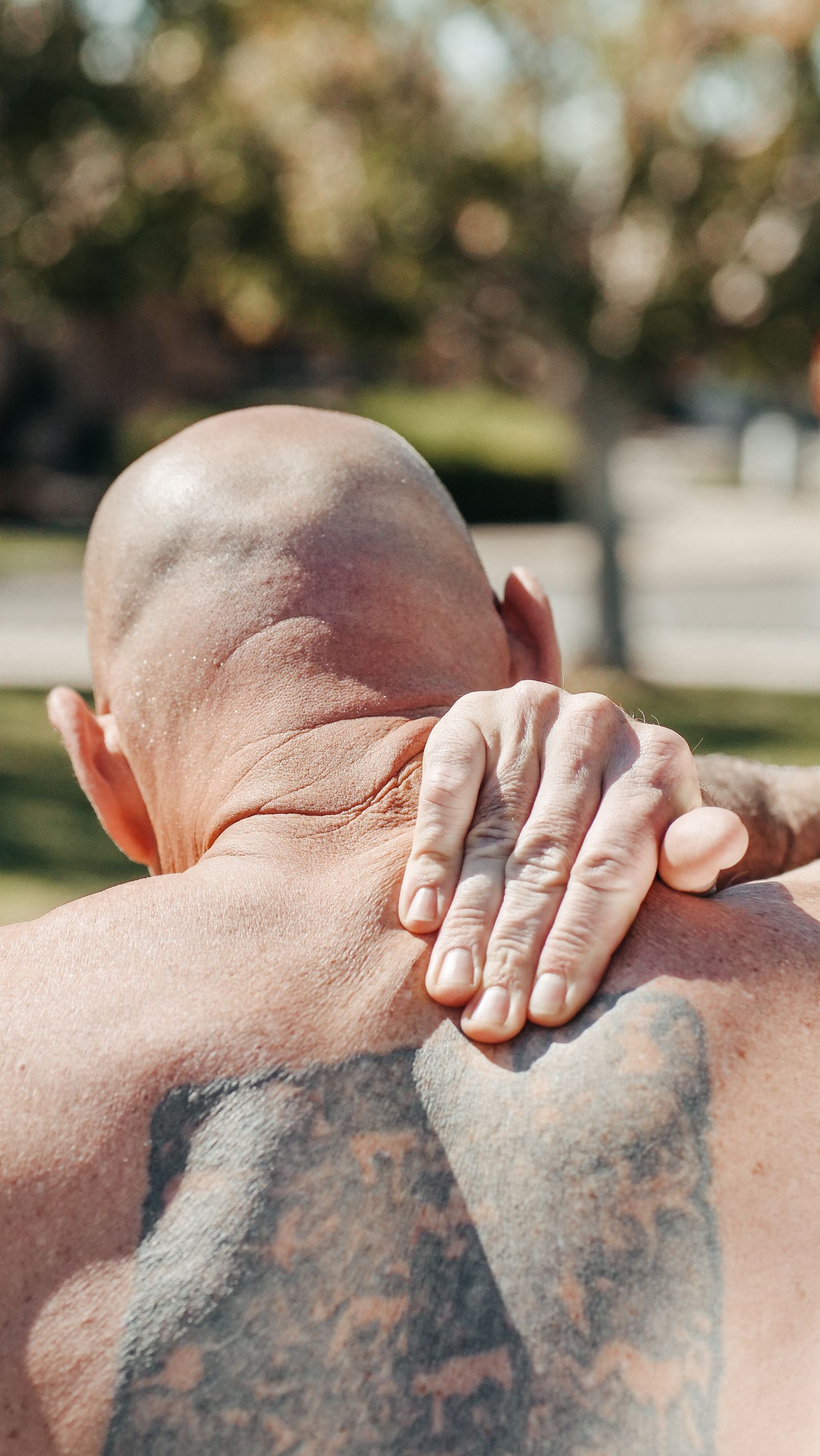
Canadian shopping route • Active Medibrace shoulder braces • Fit-first selector before checkout
Quick selector: choose by men's shoulder-brace scenario
| If this sounds like your use case | Choose this support type | Medibrace option | Why it fits this men’s fit scenario |
|---|---|---|---|
| You want shoulder control while keeping the arm usable for daily movement | Premium active stabilizing brace | Bauerfeind OmoTrain S Shoulder Brace | Structured control with strap routing that must be checked against chest and upper-arm fit. |
| You want compression-style shoulder support without sling-level restriction | Shoulder support brace | Bauerfeind OmoTrain Shoulder Brace | Better when the goal is support and awareness, not holding the arm still. |
| You were told to limit shoulder movement | Immobilizing shoulder brace | Bauerfeind OmoLoc Shoulder Brace | Routes immobilization needs away from active braces. |
| You want a lower-profile stabilizing route under work or casual layers | Low-profile shoulder brace | BREG Atlas Minor Shoulder Brace | Useful when bulk and strap comfort across the torso are major concerns. |
| You actually need arm support after clinical direction | Sling / immobilizer | BREG SlingShot 3 | Better when the buyer’s real need is arm support rather than active shoulder bracing. |
What changes for men choosing a shoulder brace?
This page is not just a generic shoulder-brace list. For many men, the deciding factor is not only shoulder size; it is how the brace crosses the chest, whether the strap sits comfortably on a broader torso, whether the brace fits under work clothing, and whether the arm must keep moving. A brace that looks supportive can still be wrong if it pulls across the neck, restricts breathing, or does not match the support job.
If you want the broad head selector, use Best Shoulder Brace Canada. If the question is specifically a rotator-cuff scenario for women, use Best Shoulder Brace for Rotator Cuff Injury for Women Canada. If posture is the main concern, this is not the right route; compare posture supports instead of shoulder-control braces.
Recommended Medibrace shoulder brace options
Bauerfeind OmoTrain S Shoulder Brace

- Role: Best premium active shoulder stabilizer
- Support type: shoulder stabilizing brace
- Price: $310.00
- Best for this men's shoulder-brace scenario: men who need a contoured shoulder brace with strap-based control while keeping arm motion available for daily tasks
- Tradeoff: more structured and expensive than a simple sleeve, and sizing must match chest and upper-arm measurements
Bauerfeind OmoTrain Shoulder Brace

- Role: Best compression-style shoulder support
- Support type: shoulder support / sleeve-style brace
- Price: $310.00
- Best for this men's shoulder-brace scenario: men who want shoulder-area compression and proprioceptive support without routing into a sling or immobilizer
- Tradeoff: not the right route when the arm must be held still after a clinician-directed injury or procedure
Bauerfeind OmoLoc Shoulder Brace

- Role: Best immobilizing shoulder brace route
- Support type: shoulder immobilizer brace
- Price: $250.00
- Best for this men's shoulder-brace scenario: men whose priority is limiting shoulder and arm movement under clinician guidance rather than training or everyday compression support
- Tradeoff: bulkier and more restrictive than an active support brace
BREG Atlas Minor Shoulder Brace

- Role: Best lower-profile stabilizing route
- Support type: low-profile shoulder brace
- Price: $179.99
- Best for this men's shoulder-brace scenario: men comparing a less bulky brace for shoulder positioning support under shirts or work layers
- Tradeoff: not a substitute for a dedicated sling/immobilizer when motion restriction is the goal
BREG SlingShot 3

- Role: Best sling route when immobilization is the buyer’s real need
- Support type: shoulder sling / immobilizer
- Price: $190.00
- Best for this men's shoulder-brace scenario: men who searched shoulder brace but actually need arm support, strap comfort, and a sling-style route after clinical direction
- Tradeoff: not designed for active shoulder support during work, lifting, or sport
Shoulder brace vs sling vs posture support
| Route | Best fit | Main advantage | Main limitation |
|---|---|---|---|
| Active shoulder brace | Men who need shoulder support while still moving the arm | More usable for daily activity than a sling | Must fit chest, shoulder, and arm measurements correctly |
| Shoulder immobilizer | Clinician-directed situations where motion should be limited | Restricts more movement than active supports | Too limiting for general support or workouts |
| Sling | Arm support and rest | Simple route when arm support is the priority | Does not provide the same active shoulder control |
| Posture support | Upper-back or rounded-shoulder posture reminders | Targets posture cueing rather than shoulder joint support | Not a shoulder-stability brace |
Fit, use, and safety guidance
- Measure chest/torso and upper arm exactly where the product size chart asks; do not guess from shirt size.
- Check whether the brace is left/right specific before ordering.
- For broad chests or muscular arms, prioritize adjustable strap length and underarm comfort.
- Choose an active brace for daily support; choose a sling/immobilizer only when motion restriction is the actual goal.
- Do not use a shoulder brace to push through new severe pain, numbness, colour change, sudden weakness, or a suspected dislocation.
- Ask a licensed clinician for acute trauma, recurrent instability, post-procedure instructions, unexplained weakness, or pain that is new or worsening.
When this page is not the right route
This page is for men comparing shoulder-brace fit and support type. It is not the best route for posture-only concerns, clinician-prescribed immobilization instructions, or diagnosis-specific treatment decisions. Use Supports / Stabilizers for active supports, Slings / Immobilizers when arm support is the main need, and condition-specific shoulder pages when the clinical scenario matters more than general fit.
This page provides general product-selection guidance only and is not medical advice. For diagnosis, post-injury instructions, post-procedure bracing, acute injury, or neurological symptoms, consult a licensed clinician.
Related Medibrace routes
Choosing support for this use: This guide focuses on the shoulder brace for men scenario, including fit, support level, activity demands, and when a different support may make more sense. If your need is different, compare: shoulder brace for women. This helps separate the recommendation by activity, fit, support level, and when this page is not the right route.
FAQ
What is the best shoulder brace for men?
For men, the best shoulder brace depends on chest/torso fit and the support job. Choose an active stabilizing brace for daily movement, a compression-style shoulder support for lighter support, and a sling or immobilizer when motion restriction has been clinically recommended.
Do men need a different shoulder brace size?
Often the product is not male-only, but men should pay close attention to chest circumference, upper-arm size, side selection, and strap length. A brace that fits the shoulder but pulls across the chest can be the wrong route.
Is a shoulder brace better than a sling?
A shoulder brace is better for support while allowing some movement. A sling or immobilizer is better when the arm should be supported or movement should be limited under clinician direction.
When is this page not the right route?
Use a condition-specific shoulder page if the main question is rotator cuff guidance, instability, or post-procedure immobilization. Use a posture-support category if the issue is upper-back posture rather than shoulder control.