
Best Shoulder Brace for Sports Canada
Best Shoulder Brace for Sports Canada: Active Stabilizers, Compression Support, and When to Use a Sling Instead
Direct answer: The best shoulder brace for sports in Canada is usually an active stabilizer or compression-style support that allows controlled movement, not a sling. Choose a stabilizing brace for shoulder-position support, compression support for lower-bulk feedback, and an immobilizer only when sport should pause and arm positioning is the real need.
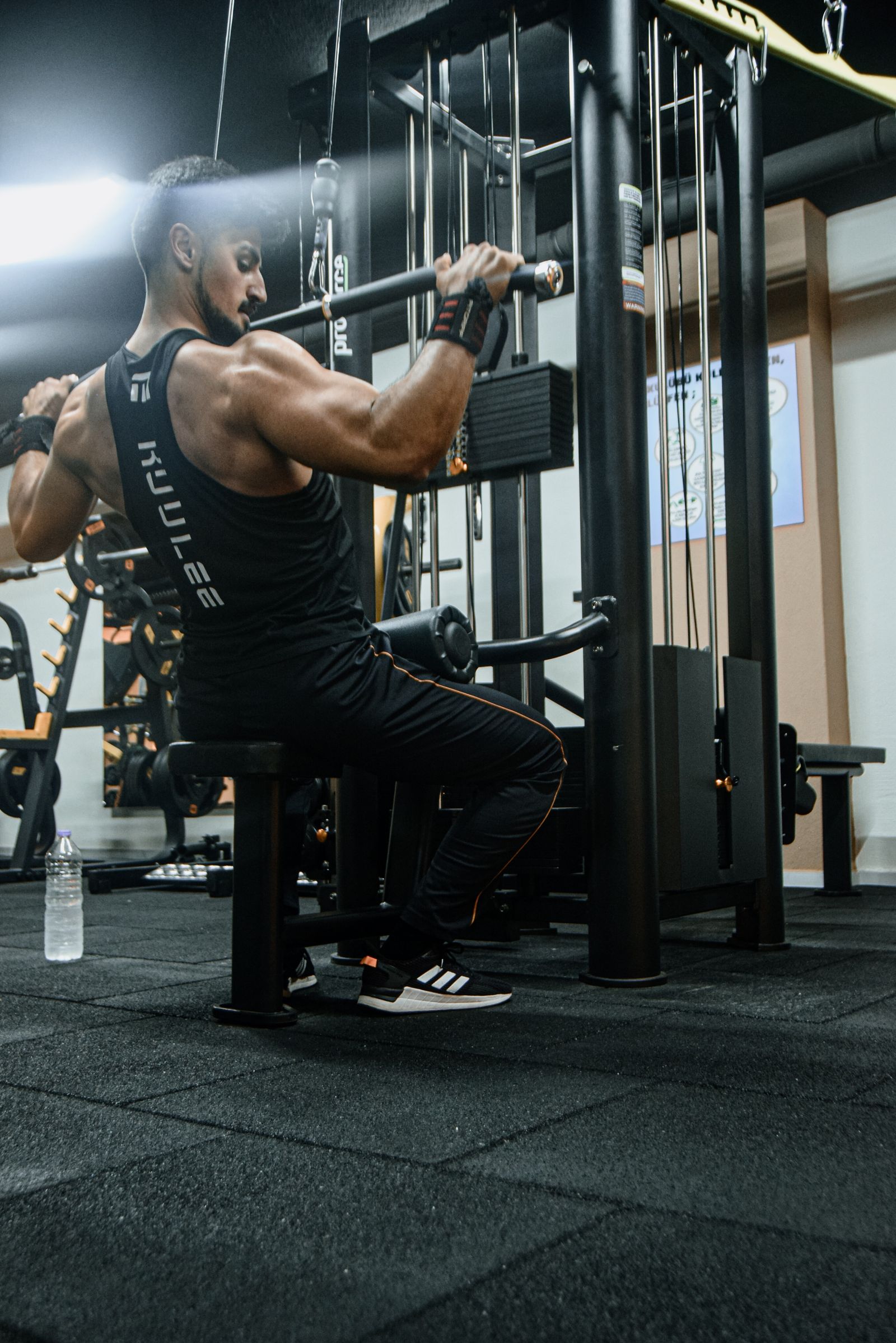
Canadian buyer route • Active shoulder support • Sports stabilizer vs compression support vs sling
Quick selector: choose by sports scenario
| If your sports need is... | Choose this support type | Medibrace route | Why it fits |
|---|---|---|---|
| Throwing, racquet, court, or field sport with controlled shoulder movement | Active stabilizing shoulder brace | Bauerfeind OmoTrain S | Best when shoulder positioning support matters more than low bulk. |
| Light practice, warm-ups, non-contact drills, or lower-bulk support | Compression shoulder support | Bauerfeind OmoTrain | Better when feedback and comfort matter but high restriction would interfere. |
| Jerseys, pads, or training layers make bulk a problem | Low-profile shoulder stabilizer | BREG Atlas Minor | Keeps the decision in active-support territory without routing to a sling. |
| You want more structured shoulder support than compression alone | Structured shoulder brace | Sporlastic OMO-HiT | A stronger support-feel route for active buyers comparing brace control. |
| You were told to rest, support, or position the arm | Sling / immobilizer route | BREG SlingShot 3 or sling collection | Not a sports brace; use this route only when active sport is not the goal. |
What changes for sports?
Sports shoulder-brace selection is different from everyday shoulder support because the brace has to work during running, cutting, throwing, racquet swings, contact risk, protective gear, or repeated arm motion. The right support type should match the sport movement and symptom response, not simply be the stiffest brace available.
This page also differs from the gym-only Best Shoulder Brace for Working Out Canada route. Sports can add contact, sudden direction changes, overhead reach, and jersey or pad clearance. If the question is broad shoulder-brace shopping, use Best Shoulder Brace Canada. If the concern is rotator cuff symptoms or instability prevention, use the related pages below instead.
Recommended Medibrace shoulder braces for sports
Bauerfeind OmoTrain S Shoulder Brace

- Role: Best active sports stabilizer route
- Support type: active shoulder stabilizing brace
- Price: $310.00
- Best sports use: court, field, gym, and return-to-sport sessions where shoulder positioning support matters but the arm still needs controlled movement
- Tradeoff: More fit-sensitive than a simple support and not for ignoring sharp pain, repeated instability, or clinician-directed immobilization.
Bauerfeind OmoTrain Shoulder Brace

- Role: Best compression-style sports support
- Support type: compressive shoulder support
- Price: $310.00
- Best sports use: athletes who want lower-bulk shoulder-area feedback for warm-ups, light practice, controlled drills, or non-contact activity
- Tradeoff: Less stabilizing than strap-guided braces and not the right route for repeated giving-way sensations.
BREG Atlas Minor Shoulder Brace

- Role: Best low-profile sports stabilizer
- Support type: low-profile shoulder stabilizer
- Price: $179.99
- Best sports use: sport users comparing support with less bulk under jerseys, training layers, or protective gear
- Tradeoff: Not a sling, not a post-op immobilizer, and still needs careful sport-specific fit testing.
Sporlastic OMO-HiT Shoulder Brace

- Role: Best structured shoulder-support option
- Support type: structured shoulder brace
- Price: $224.99
- Best sports use: buyers who want a more substantial brace feel than compression alone for active use decisions
- Tradeoff: Can be more brace than needed for mild soreness or simple posture questions.
BREG SlingShot 3

- Role: Best not-for-sports route when arm positioning is required
- Support type: shoulder sling / immobilizer
- Price: $190.00
- Best sports use: shoppers whose sports-brace search is really a need for supported rest or clinician-directed positioning
- Tradeoff: Not designed for active sport, cutting, throwing, lifting, or contact play.
Compression support vs stabilizer vs sling for sports
| Route | Best sports context | Main advantage | Main limitation |
|---|---|---|---|
| Compression shoulder support | Warm-ups, low-contact drills, lighter practice | Lower bulk and shoulder-area feedback | Less positioning support than a stabilizer |
| Active stabilizing brace | Controlled sport return, court or field movements, supervised progressions | More shoulder-position support while moving | Fit, sport choice, and load still matter |
| Low-profile stabilizer | Under jerseys, training layers, or pads | Support with less bulk interference | May not provide enough control for higher-risk situations |
| Sling or immobilizer | Resting or clinician-directed positioning | Limits movement when active sport is not appropriate | Not for active sport or play |
Fit, use, and safety guidance for sport
- Confirm sizing from the product chart; shoulder braces are fit-sensitive around the chest, upper arm, underarm, and strap path.
- Test the brace with sport-specific warm-ups before practice or play: reach, swing, throw, cut, sprint, and layer it under the gear you actually wear.
- For contact sports, ask whether the brace changes protective equipment fit or creates pressure points under pads or jerseys.
- Do not use a brace to force throwing, contact, overhead sport, or repeated cutting when symptoms are escalating.
- Stop and get assessed for sharp pain, repeated giving-way, visible swelling, numbness, new weakness, loss of motion, or symptoms that worsen after activity.
When this page is not the right route
This page is for active sport support. It is not the right route for post-op instructions, acute trauma, severe pain, repeated dislocation, major weakness, numbness, or when you were told to keep the arm positioned. Use Slings & Immobilizers for positioning, rotator cuff shoulder brace guidance for condition-specific decisions, or shoulder instability guidance when instability is the core concern.
This Medibrace guide is general product-selection information only. It does not diagnose, treat, cure, prevent, prescribe, or replace advice from a licensed clinician.
Related Medibrace routes
FAQ
What is the best shoulder brace for sports?
The best shoulder brace for sports is usually an active stabilizer or compression-style support that allows controlled movement. Choose more stabilization for positioning concerns, compression support for low-bulk feedback, and a sling only when active sport is not appropriate.
Can I play sports with a shoulder brace?
A shoulder brace may support controlled practice or return-to-activity decisions, but it should not be used to force sport through sharp pain, repeated instability, weakness, numbness, swelling, or symptoms that worsen.
Is a sports shoulder brace different from a sling?
Yes. A sports shoulder brace is selected for active movement and controlled support. A sling or immobilizer is selected for resting or positioning the arm, usually when a clinician has advised limiting movement.
When is this not the right route?
Use the general shoulder brace selector for everyday support, the workout page for gym-specific lifting, the rotator cuff page for condition-specific shopping, or the slings collection when active sport is not the goal.