
Best Shoulder Brace for Volleyball Canada
Best Shoulder Brace for Volleyball Canada: Choose Overhead Support, Practice Comfort, or Immobilization Detour
Direct answer: The best shoulder brace for volleyball players is the support route that matches the current stage: movement-friendly support for controlled practice, compression-first support for lighter training, and sling or immobilizer support when shoulder motion should be limited. A brace should not be used to self-clear overhead play, spiking, blocking, or return-to-play decisions.
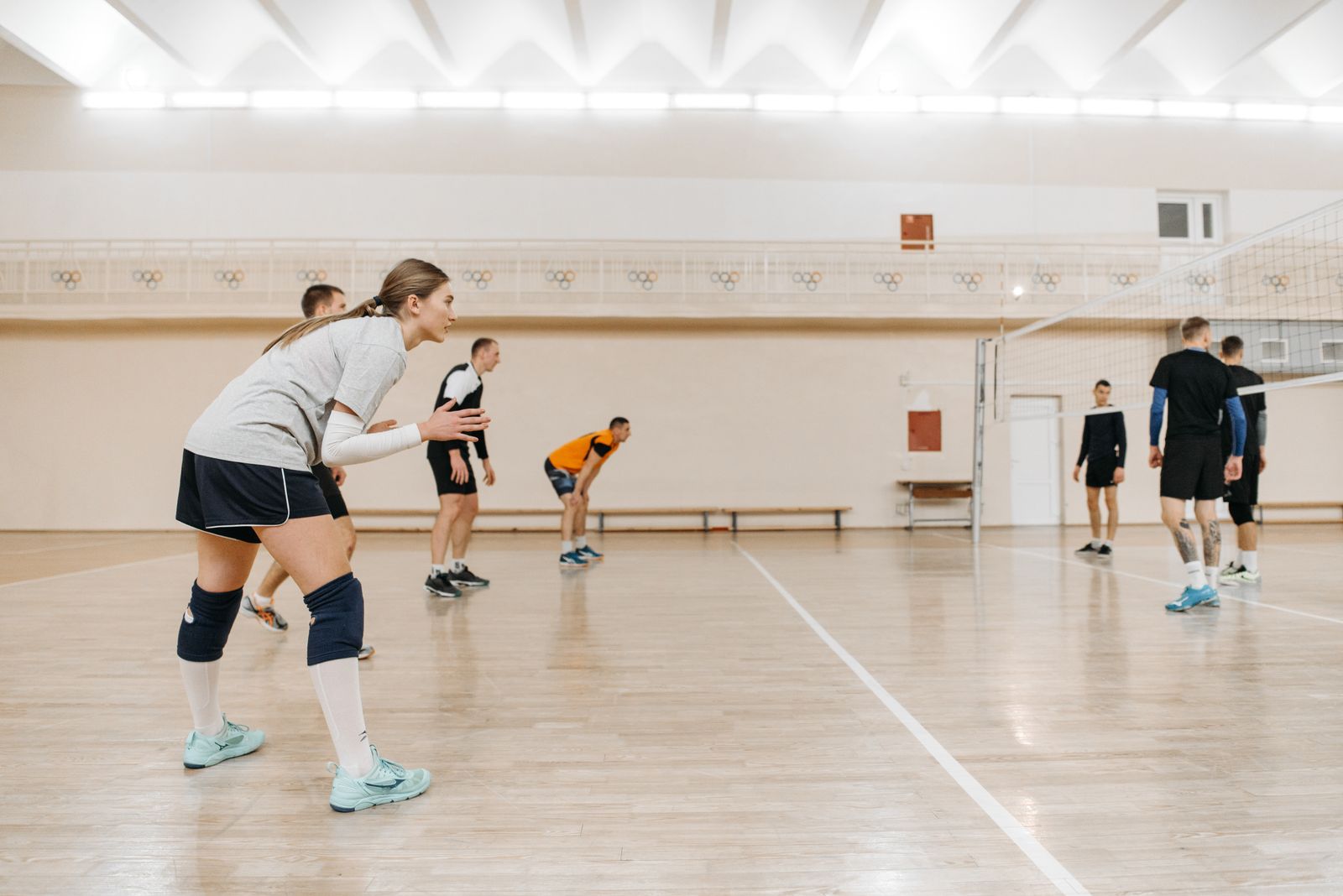
Canadian shopping route • Active Medibrace shoulder products • Volleyball-specific practice support, stability, and immobilization-detour logic
Quick selector: match the volleyball shoulder scenario
| If your volleyball scenario is... | Choose this support type | Medibrace option | Why it fits this page |
|---|---|---|---|
| Controlled practice, gym work, or non-overhead play drills where motion is still appropriate | Active shoulder support with strap system | Bauerfeind OmoTrain S Shoulder Brace | Prioritizes guided support without routing straight to immobilization. |
| You want lighter shoulder compression for controlled activity or daily wear | Knit shoulder support | Bauerfeind OmoTrain Shoulder Brace | A less strapped route when comfort and compression matter more than directional restraint. |
| The decision is rest-style support rather than practice support | Shoulder sling / support | BREG Atlas Minor Shoulder Brace | A detour when the shoulder should not be treated like a practice-support decision. |
| Motion restriction is the priority after injury or procedure guidance | Shoulder immobilizer sling | BREG SlingShot 3 | Routes away from on-field brace shopping when limiting motion matters more. |
What changes for volleyball players?
A general shoulder-brace page can focus on comfort, daily motion, and broad support. A volleyball-player decision has a stricter filter because overhead serving, spiking, blocking, diving, repeated practice volume, and return-to-play pressure can change the safest route. For this scenario, the real question is whether the shoulder belongs in controlled training support, a lighter compression route, or an immobilization detour.
This page is not the right route if you are trying to clear overhead play play, manage a fresh dislocation, play through sharp pain, or replace a prescribed brace. For broader choices use Shoulder Braces; for shoulder immobilization use the relevant sling route; for posture-focused shoulder positioning use a posture-support route instead.
Recommended Medibrace options for volleyball shoulder-support decisions
Bauerfeind OmoTrain S Shoulder Brace

- Role: Best movement-friendly practice-support route
- Support type: active shoulder support with strap system
- Price: $310.00
- Best volleyball-player context: controlled practice, serving/hitting warmups, and volleyball players comparing support that still allows overhead shoulder motion
- Tradeoff: not a clearance tool for painful overhead hitting and not for fresh dislocation or immobilization needs
Bauerfeind OmoTrain Shoulder Brace

- Role: Best compression-first shoulder-support route
- Support type: knit shoulder support
- Price: $310.00
- Best volleyball-player context: players who want a less strapped feel around the shoulder for controlled practice, serving volume, or daily wear
- Tradeoff: less directional restraint than a strap-support design
BREG Atlas Minor Shoulder Brace

- Role: Best lower-profile sling detour
- Support type: shoulder sling / support
- Price: $179.99
- Best volleyball-player context: players temporarily routing away from overhead practice support toward rest-style support after qualified guidance
- Tradeoff: not for playing volleyball and not a substitute for a prescribed immobilizer
BREG SlingShot 3

- Role: Best immobilization detour
- Support type: shoulder immobilizer sling
- Price: $190.00
- Best volleyball-player context: post-injury or post-procedure support decisions where limiting shoulder motion matters more than volleyball practice mobility
- Tradeoff: not a volleyball-practice brace and should follow clinician instructions
Active brace vs compression support vs sling route
| Route | Best volleyball context | Main advantage | When to choose another route |
|---|---|---|---|
| Active shoulder brace | Controlled non-overhead play practice or training when shoulder motion is appropriate | More guided than compression alone | Not a clearance tool for spiking, blocking, serving, or match play. |
| Compression-first shoulder support | Lighter support feel during controlled activity or daily wear | Less strapped and easier for some athletes to wear | Not the best route when directional stability is the main concern. |
| Sling support | Rest-style support after assessment or injury guidance | Routes away from active sport support | Not for playing volleyball. |
| Immobilizer sling | When limiting shoulder motion matters most | More restrictive than practice support | Should follow clinician instructions and is not an on-field brace. |
Fit, use, and safety guidance
- Check brace comfort under team clothing and overhead arm swing only during controlled, appropriate activity.
- Do not tighten straps to force stability; numbness, tingling, colour change, or hand weakness means stop and reassess fit.
- Practice-support braces are not overhead play-clearance devices. Return-to-play decisions need qualified guidance.
- Use a sling or immobilizer route when shoulder motion should be limited rather than supported through activity.
- Get qualified guidance for acute trauma, suspected fracture, fresh dislocation, repeated instability, severe pain, weakness, numbness, or post-surgical instructions.
Health and safety note: This Medibrace guide is general product-selection information only. It does not diagnose, prescribe, promise results, treat disease, clear overhead play sport, or replace advice from a licensed clinician.
When this page is not the right route
This page is not the right route for return-to-overhead play clearance, emergency injury decisions, fresh shoulder instability, prescribed post-operative protocols, or volleyball players who need equipment certification advice. It is also not the best route if the real shopping need is posture support rather than shoulder support for sport.
Related Medibrace routes
FAQ
What is the best shoulder brace for volleyball players?
The best shoulder brace for a volleyball player depends on the stage and goal: movement-friendly practice support for controlled training, compression support for a lighter feel, and a sling or immobilizer route when motion should be limited. A brace should not be used to self-clear overhead play play.
Can a shoulder brace let me play volleyball after a shoulder injury?
A shoulder brace can support some controlled activity, but it cannot determine whether overhead play volleyball is safe. Pain, instability, numbness, recent dislocation, post-surgical instructions, or return-to-play questions need qualified medical guidance.
Should volleyball players choose a sling or an active shoulder brace?
Choose an active shoulder brace only when movement is appropriate. Choose a sling or immobilizer route when limiting shoulder motion is the priority, especially after an acute injury, procedure, or clinician instruction.
When is this page not the right route?
This page is not the right route for acute trauma, suspected fracture, fresh dislocation, major weakness, numbness, severe swelling, post-operative protocols, or return-to-overhead play clearance.