
Best Wrist Brace for Cheerleading Canada
Best Wrist Brace for Cheerleading Canada: Tumbling, Stunts, and Rest Support Selector
Direct answer: The best wrist brace for cheerleading in Canada depends on the load: flexible wrist support may suit warmups, dance sections, low-impact drills, or between-stunt comfort, while rigid splints are usually for rest away from mats. If pain appears during tumbling, stunts, catches, or landings, do not brace through worsening symptoms.
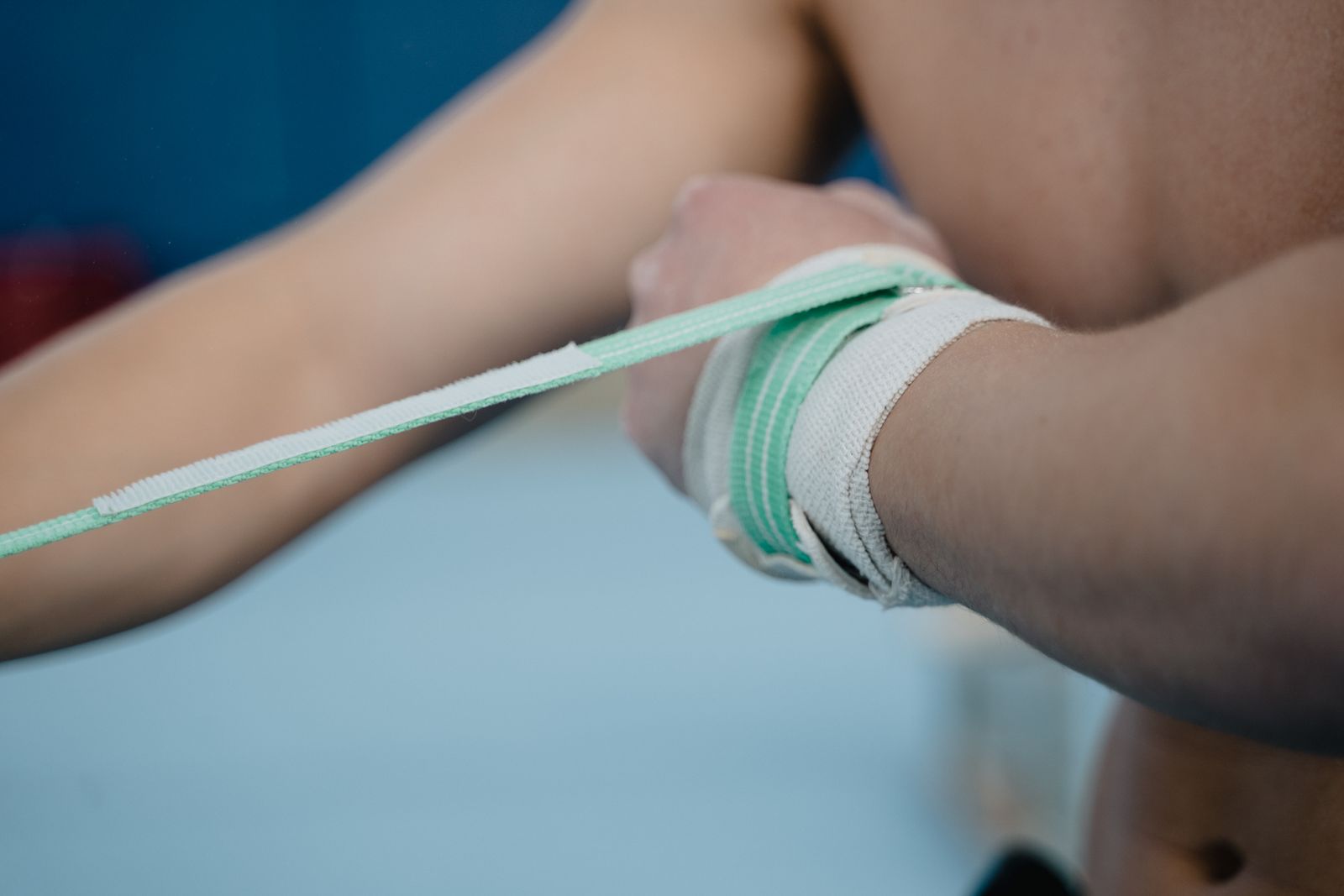
Canadian shopping route • Active Medibrace wrist supports • Cheer-specific selector for tumbling, stunts, rest support, thumb-side control, and safety boundaries
Quick selector: match the cheerleading scenario
| If your cheer wrist scenario is... | Choose this support type | Medibrace option | Why it fits this cheer context |
|---|---|---|---|
| Mild wrist fatigue during warmups, dance sections, or low-impact drills | Flexible wrist brace | Bauerfeind ManuTrain Wrist Brace | Adds broad wrist support while keeping more hand freedom than rigid splints. |
| The wrist needs support away from mats after practice | Rigid rest splint | Bauerfeind ManuLoc Wrist Brace | Better for rest, sleep, and between-practice positioning than stunts or tumbling. |
| Budget-friendly neutral wrist support is the priority | Cock-up wrist brace | BREG Apollo Universal Wrist Brace | Practical rest support when cheer use is off-mat rather than during skills. |
| Thumb-side pain shows up during catches, grips, or landings | Wrist-and-thumb brace | Bauerfeind ManuLoc Rhizo Wrist Brace | Routes thumb involvement separately instead of forcing a wrist-only brace. |
| Pain happens with weight bearing, falls, swelling, or weakness | Assessment first, not a product-first route | Clinician guidance or wrist sprain route | Cheerleading loads the wrist in tumbling and stunts, so red flags need review before bracing through practice. |
What changes for cheerleading?
Cheerleading is not just a generic sport wrist-brace decision. Tumbling and handsprings load the wrist through the palm; bases and back spots need grip and catch control; flyers may need hand freedom for transitions; and sideline routines can combine sharp arm motions with fast stunt timing. A brace that feels helpful at rest can become the wrong route if it changes hand placement, stunt grip, or landing mechanics.
Use this page when you are comparing support for cheer practice, low-impact drills, or rest between sessions. If the main issue is a fall, recent sprain, swelling, numbness, weakness, or pain when bearing weight through the hand, choose Best Brace for Wrist Sprain Canada or clinical guidance first. For mat-loading that is closer to apparatus training, compare Best Wrist Brace for Gymnastics Canada. For palm pressure in floor-based fitness, compare Best Wrist Brace for Yoga Canada.
Recommended Medibrace wrist support options for cheerleading
Bauerfeind ManuTrain Wrist Brace

- Role: Best flexible practice support
- Support type: elastic wrist brace with guided compression
- Price: $190.00
- Best cheerleading context: cheer athletes who want broad wrist support around warmups, low-impact tumbling drills, or between stunt blocks without a rigid palm stay dominating every hand position
- Tradeoff: Not enough for major instability, acute injury, or painful weight-bearing tumbling.
Bauerfeind ManuLoc Wrist Brace

- Role: Best rigid rest support after practice
- Support type: rigid wrist immobilizing brace
- Price: $210.00
- Best cheerleading context: rest periods, sleep, school, or travel between practices when the wrist needs a calmer neutral position away from mats and bases
- Tradeoff: Too restrictive for normal tumbling, stunting, catching, or basing mechanics.
BREG Apollo Universal Wrist Brace

- Role: Best value rest splint
- Support type: cock-up wrist brace
- Price: $63.99
- Best cheerleading context: families or athletes who need practical neutral-position support away from practice at a lower price point
- Tradeoff: Palm structure can interfere with mat contact, flyers’ grips, and stunt transitions.
Bauerfeind ManuLoc Rhizo Wrist Brace

- Role: Best wrist-and-thumb detour
- Support type: wrist brace with thumb stabilization
- Price: $220.00
- Best cheerleading context: thumb-side wrist symptoms from catching, gripping, basket toss contact, or awkward landings where wrist-only support misses the problem
- Tradeoff: Too much thumb coverage if the issue is only mild wrist fatigue.
Flexible brace vs rigid rest splint vs thumb support
| Support route | Best cheerleading context | Main advantage | Not the right route when... |
|---|---|---|---|
| Flexible wrist brace | Warmups, low-impact drills, or between-stunt support | More movement than a rigid splint | Pain appears during handsprings, stunts, or weight-bearing skills |
| Rigid wrist splint | Rest, sleep, school day, or travel after practice | Neutral wrist positioning away from mats | You need natural hand placement for tumbling, catching, or basing |
| Cock-up wrist brace | Value-focused rest support | Simple off-mat stabilization | Palm bulk changes stunt grip or floor contact |
| Wrist-and-thumb support | Thumb-side catch, grip, or landing involvement | Addresses thumb-side control missed by wrist-only braces | The issue is only mild wrist fatigue without thumb symptoms |
Fit, use, and safety guidance for cheer athletes
- Test any brace away from full routines before cheer practice, and do not let it change stunt grip, catching, or hand placement.
- Use rigid splints mainly for rest unless a clinician gives different instructions.
- A brace should feel secure without numbness, tingling, colour change, or new pressure points.
- Stop tumbling or stunting if wrist pain increases with weight bearing, catching, loading, or landing.
- Get assessed for falls, deformity, severe swelling, weakness, grip loss, numbness, tingling, wounds, or post-surgical instructions.
Health and safety note: This Medibrace guide is general product-selection information only. It does not diagnose, prescribe, treat, prevent disease, or replace advice from a licensed clinician.
When this page is not the right route
This page is for cheerleading-specific product selection around flexible support, rest splints, and thumb-side support. It is not the right route for acute injury, suspected fracture, sudden swelling, severe pain, numbness, tingling, loss of grip strength, post-surgical protocols, or pain with weight-bearing skills. Use the wrist-sprain route, the broader wrist-brace selector, or clinician guidance instead.
Related Medibrace routes
FAQ
What is the best wrist brace for cheerleading in Canada?
For cheerleading, the best wrist brace depends on whether support is for low-impact practice, rest after training, or thumb-side control. Flexible supports may fit warmups or light drills, while rigid splints are usually better off-mat for rest and positioning.
Can cheerleaders tumble with a wrist brace?
Do not use a brace to force tumbling through pain. Cheerleading places body weight through the wrists during tumbling, handsprings, stunts, catching, and landings. If pain appears with weight bearing, swelling, numbness, weakness, or a fall, get assessed before continuing.
Is a cheerleading wrist brace the same as a gymnastics wrist brace?
The product types can overlap, but cheerleading adds stunts, flyers, bases, catching, pyramids, and sideline performance timing. Gymnastics guidance is useful for tumbling load, while cheer-specific selection must also consider grips, catches, and team stunt roles.
When is this page not the right route?
This page is not the right route for suspected fracture, acute sprain, deformity, severe swelling, numbness, tingling, loss of grip, post-surgical instructions, or pain with weight-bearing skills. Use clinician guidance or a wrist-sprain route first.