
Best Shoulder Brace for Lifting Weights Canada
Best Shoulder Brace for Lifting Weights Canada: Choose Support for Pressing, Pulling, and Gym Training
Direct answer: The best shoulder brace for lifting weights in Canada is usually an active stabilizer or compression-style shoulder support, not a sling. Choose stabilization for controlled presses, rows, and cable work, compression support for lighter accessory lifting, and a sling only when lifting should pause and arm positioning is the real need.
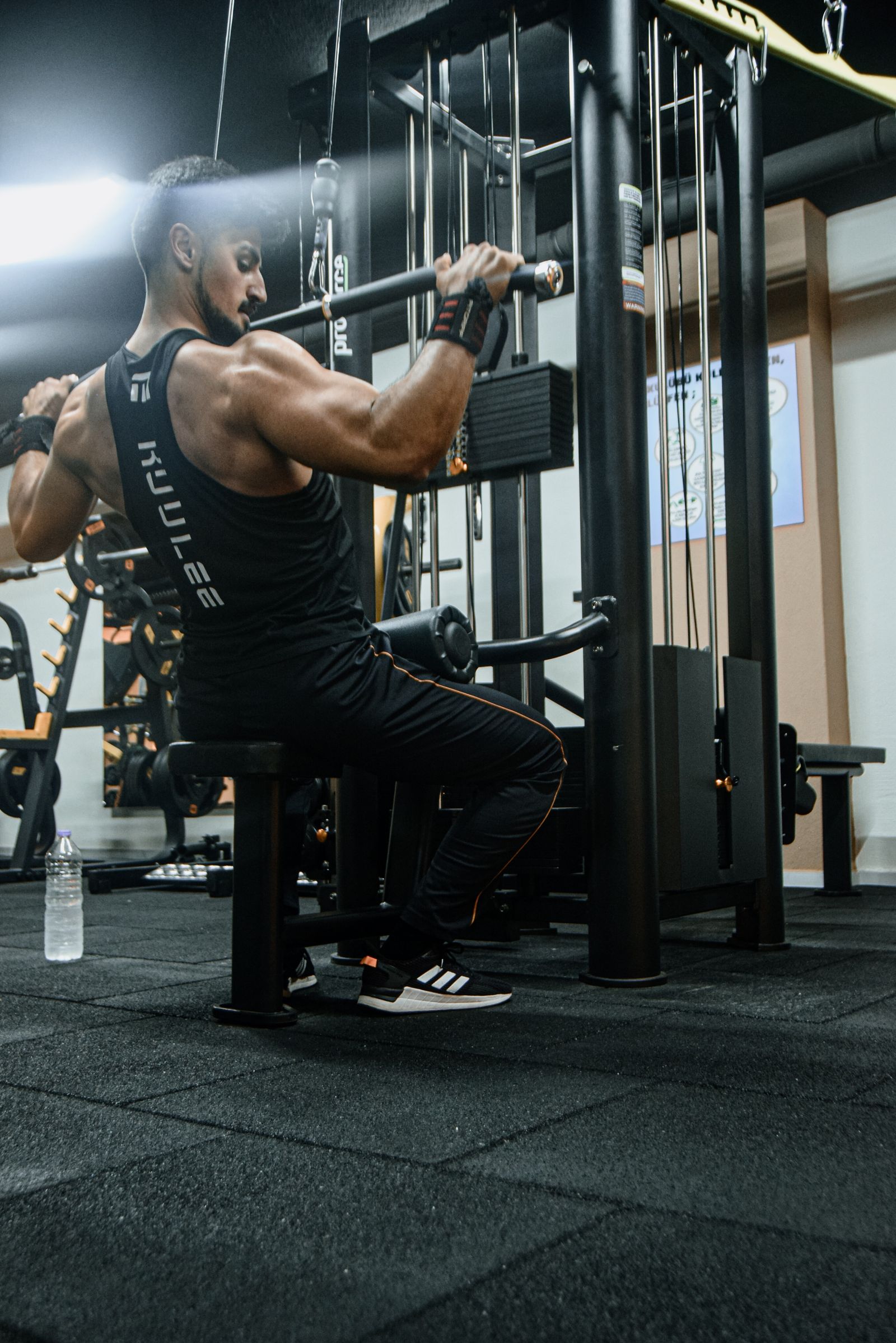
Canadian buyer route • Active shoulder support • Gym lifting stabilizer vs compression support vs sling
Quick selector: choose by lifting scenario
| If your lifting need is... | Choose this support type | Medibrace route | Why it fits |
|---|---|---|---|
| Bench, overhead press, rows, or cable work with controlled movement | Active stabilizing shoulder brace | Bauerfeind OmoTrain S | Supports shoulder positioning without switching to a sling. |
| Warm-ups, accessory lifts, or lighter dumbbell training | Compression shoulder support | Bauerfeind OmoTrain | Lower-bulk feedback when high restriction would interrupt the lift path. |
| Training top, rack position, or bar path makes bulk a problem | Low-profile shoulder stabilizer | BREG Atlas Minor | Support with less interference around gym clothing and movement. |
| You want more structure than compression alone | Structured shoulder brace | Sporlastic OMO-HiT | A stronger support-feel route for controlled lifting sessions. |
| You were told to rest, position, or immobilize the arm | Sling / immobilizer route | BREG SlingShot 3 or sling collection | This means lifting should pause; it is not an active gym brace. |
What changes when the brace is for lifting weights?
Lifting weights changes the shoulder-brace decision because the brace has to move through presses, rows, pulldowns, carries, rack setup, and rest periods. A brace that feels fine for everyday walking may interfere with the bar path, dumbbell grip, bench position, or overhead range. The right route is controlled support that matches the lift pattern, not simply the stiffest shoulder product.
This page differs from Best Shoulder Brace for Working Out Canada because lifting weights adds loaded press/pull mechanics and set-to-set tension decisions. It differs from Best Shoulder Brace for Sports Canada, where contact, throwing, court movement, and equipment clearance dominate. For broad support-level shopping, start with Best Shoulder Brace Canada.
Recommended Medibrace shoulder braces for lifting weights
Bauerfeind OmoTrain S Shoulder Brace

- Role: Best stabilizer for controlled gym lifts
- Support type: active shoulder stabilizing brace
- Price: $310.00
- Best lifting use: pressing, rows, cable work, and return-to-gym sessions where shoulder positioning support matters while the arm still moves
- Tradeoff: fit-sensitive around the chest and upper arm; not for forcing heavy lifts through sharp pain or repeated giving-way
Bauerfeind OmoTrain Shoulder Brace

- Role: Best compression-style lifting support
- Support type: compressive shoulder support
- Price: $310.00
- Best lifting use: warm-ups, accessory lifts, lighter dumbbell work, and lower-bulk feedback when high restriction would interfere with the lift path
- Tradeoff: less stabilizing than strap-guided braces for heavier or less controlled lifts
BREG Atlas Minor Shoulder Brace

- Role: Best low-profile brace under gym clothes
- Support type: low-profile shoulder stabilizer
- Price: $179.99
- Best lifting use: lifters who need support with less bulk under training tops or around the rack/bar path
- Tradeoff: not a sling and not meant for post-injury immobilization
Sporlastic OMO-HiT Shoulder Brace

- Role: Best structured shoulder-support feel
- Support type: structured shoulder brace
- Price: $224.99
- Best lifting use: buyers who want a more substantial brace feel than compression alone for controlled lifting sessions
- Tradeoff: can be more support than needed for mild workout soreness or posture-only concerns
BREG SlingShot 3

- Role: Best stop-lifting route when positioning is needed
- Support type: shoulder sling / immobilizer
- Price: $190.00
- Best lifting use: shoppers whose lifting-brace search is really a need to rest or position the arm under clinician direction
- Tradeoff: not for active lifting, presses, rows, carries, or gym training
Compression support vs stabilizer vs sling for lifting
| Route | Best lifting context | Main advantage | Main limitation |
|---|---|---|---|
| Compression shoulder support | Warm-ups, accessory lifts, lighter dumbbell training | Lower bulk and shoulder-area feedback | Less positioning support than a stabilizer |
| Active stabilizing brace | Controlled pressing, pulling, rows, and cables | More shoulder-position support while moving | Fit and lift selection still matter |
| Low-profile stabilizer | Under gym tops or near rack/bar paths | Support with less bulk interference | May not provide enough control for higher-risk sessions |
| Sling or immobilizer | Resting or clinician-directed positioning | Limits movement when lifting is not appropriate | Not for active lifting |
Fit, use, and safety guidance for lifting
- Test the brace with the exact lift pattern: bench press, overhead press, row, pulldown, carry, or cable movement.
- Check strap pressure around the chest, upper arm, and underarm before adding load.
- Keep the first session conservative; do not use a brace to jump straight back to heavy sets.
- Choose the sling route if the real need is rest or arm positioning rather than active gym movement.
- Stop and get assessed for sharp pain, repeated giving-way, visible swelling, numbness, new weakness, loss of motion, or symptoms that worsen after lifting.
When this page is not the right route
This page is for active gym lifting decisions. It is not the right route for post-op instructions, acute trauma, severe pain, repeated instability, major weakness, numbness, or when you were told to keep the arm positioned. Use Slings & Immobilizers for positioning, rotator cuff shoulder brace guidance for condition-specific decisions, or the broad shoulder brace selector if you are not lifting-specific.
Health and safety note: This Medibrace guide is general product-selection information only. It does not diagnose, treat, cure, prevent, prescribe, or replace advice from a licensed clinician.
Related Medibrace routes
FAQ
What is the best shoulder brace for lifting weights?
The best shoulder brace for lifting weights is usually an active stabilizer or compression shoulder support that allows controlled pressing, pulling, rows, and cable work. Choose a sling only when active lifting should pause.
Can I lift weights with a shoulder brace?
A brace may help with controlled gym movement, but it should not be used to push through sharp pain, repeated instability, new weakness, numbness, or symptoms that worsen during or after lifting.
Is a lifting shoulder brace different from a sports shoulder brace?
Yes. Lifting decisions focus on press path, pulling position, rack clearance, straps, and set-to-set load control. Sports pages add contact, cutting, throwing, and equipment impact.
When is this not the right route?
Use the broad shoulder selector for everyday support, the sports page for court or field play, a rotator-cuff page for condition-specific shopping, or the sling collection when arm positioning is the real need.